

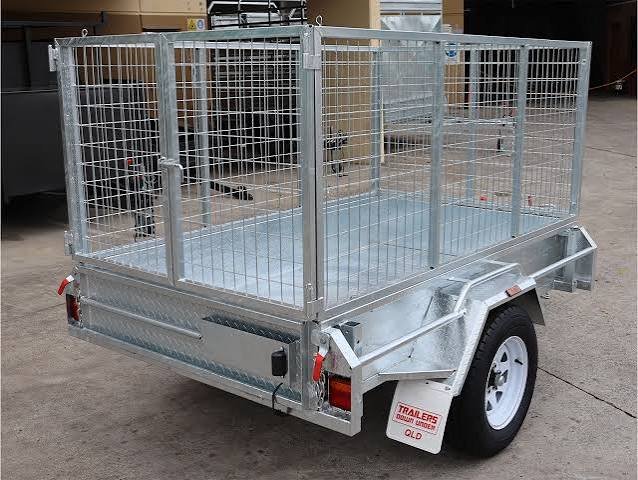
Choosing the right trailer size can make transport safer, easier and more efficient. Whether the trailer is for household use, weekend projects or regular work, the right dimensions help improve loading, towing and storage. If you are comparing a 7×5 box trailer for sale, understanding how it compares with a 7×4 trailer can help you make a well-informed choice.
Although both trailer sizes perform many of the same tasks, each one suits different hauling requirements. The better option depends on the type of cargo, the frequency of use, available storage space and the towing capacity of your vehicle. Looking at these factors carefully makes the decision much simpler.
When Does a 7×4 Box Trailer Make the Most Sense?
A 7×4 box trailer suits buyers who need a reliable solution for lighter transport tasks. Its dimensions provide enough space for everyday use while remaining easy to tow, park and store. This balance makes it a suitable choice for occasional use around the home.
If you are considering a 7×4 trailer for sale this size can comfortably carry gardening supplies, camping equipment, household furniture and appliances, tools, and materials for smaller DIY projects. It also fits more easily into garages or driveways, making storage convenient when the trailer is not in use.
When Is a 7×5 Box Trailer the Better Choice?
A 7×5 box trailer offers additional floor space, making it suitable for larger loads and more frequent transport. The extra width provides greater flexibility when arranging cargo and can reduce the need to make multiple trips during busy projects.
Choosing a 7×5 box trailer for sale can benefit buyers who regularly move building materials, landscaping supplies, trade equipment or bulky household items. While the larger size requires more storage space, the added carrying area often improves efficiency for regular use.
7×4 vs 7×5 Box Trailer: Key Differences That Matter
Although both trailer sizes share many features, several practical differences can influence which option is more suitable. Comparing the following areas provides a clearer picture of how each trailer performs in everyday situations:
- Load Space: A 7×5 trailer provides more usable floor area, making it better suited to bulky cargo. A 7×4 trailer comfortably handles smaller household or recreational loads.
- Towing and Handling: A 7×4 trailer is generally easier to manoeuvre in narrow streets, driveways and parking areas. A 7×5 trailer remains manageable but requires slightly more care in confined spaces.
- Storage: The smaller trailer usually occupies less storage space, making it easier to keep in a garage, shed or driveway. The larger trailer requires additional room when stored.
- Typical Applications: A 7×4 trailer suits occasional household tasks, gardening and camping trips. A 7×5 trailer is often better suited to renovation projects, trade work and regular equipment transport.
- Cost Considerations: Larger trailers generally cost more because the additional size often requires more materials during manufacture, although construction quality and features also influence the final price.
Comparing these differences carefully helps you choose a trailer that matches your everyday requirements instead of selecting a size based only on price or appearance.
Which Trailer Size Fits Your Needs?
Before making a decision, think about how you expect to use the trailer over the long term. Answering a few practical questions can help you identify the size that best suits your requirements:
- Type of Cargo: Consider whether you mainly carry household items, garden supplies, tools or larger equipment. Regularly transporting bulky loads usually requires additional space.
- Frequency of Use: Occasional transport may not require a larger trailer, while frequent use can make extra carrying capacity more worthwhile.
- Storage Availability: Measure the available storage space before purchasing to ensure the trailer fits comfortably when it is not being used.
- Vehicle Towing Capacity: Check the manufacturer’s towing limits to confirm that your vehicle can safely tow both the trailer and its intended load.
Taking time to answer these questions can prevent unnecessary expense and help you select a trailer that remains suitable as your transport needs change.
Conclusion
Both trailer sizes offer clear advantages, but neither option is automatically better for every buyer. A 7×4 trailer suits lighter, occasional transport and easier storage, while a 7×5 trailer provides additional space for larger or more frequent loads.
The best choice depends on how you plan to use the trailer, the loads you expect to carry and the capability of your towing vehicle. Matching the trailer size to your everyday requirements will help you make a sensible decision that continues to support your needs over time.
















Leave a Reply