

Have you started waking up twice a night to urinate and blamed it on drinking too much water? Perhaps your urine stream isn’t as strong as it used to be, but you’ve decided that it’s simply part of getting older.
Many men dismiss subtle urinary or sexual changes because they feel minor, embarrassing or easy to explain away. Yet persistent changes deserve medical attention. Searching for prostate cancer doctors near me may be an important first step towards understanding what’s happening—even if the eventual cause is benign.
Crucially, early prostate cancer often produces no noticeable symptoms. When symptoms do occur, they may also be caused by benign prostate enlargement, prostatitis, a urinary infection or another treatable condition. Symptoms alone can’t confirm cancer, but they shouldn’t be ignored.
Why Prostate Cancer Symptoms Can Be Easy to Miss
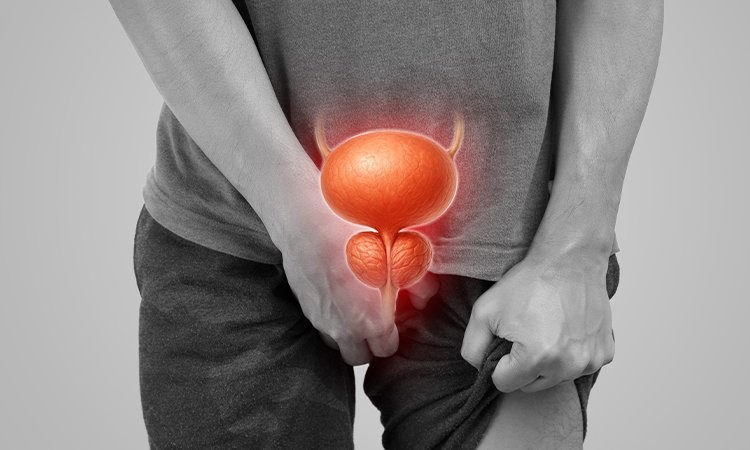
The prostate is a small gland positioned below the bladder and surrounding part of the urethra—the tube that carries urine out of the body. Changes affecting the prostate can therefore interfere with urination and, in some cases, sexual function.
The difficulty is that prostate cancer symptoms aren’t always distinctive. A man may adapt to a slower urine stream, plan his day around toilet visits or quietly accept erectile difficulties without discussing them.
According to the NHS, urinary problems, erectile dysfunction, blood in urine or semen, lower-back pain and unexplained weight loss can warrant medical assessment. They don’t automatically indicate cancer, but investigation can reveal the underlying cause.
1. Waking Up Frequently to Urinate
Getting up occasionally during the night isn’t unusual, particularly after drinking before bed. However, regularly waking several times to urinate—known as nocturia—can indicate a prostate or bladder problem.
Men often tolerate this for months because it develops gradually. They may blame light sleep, ageing, coffee or increased water intake. If the pattern is new, persistent or becoming worse, mention it to a doctor.
2. Urinating More Often During the Day
Are you visiting the toilet more frequently even though your fluid intake hasn’t changed? Increased urinary frequency may be related to:
- Benign prostate enlargement
- Prostatitis or inflammation
- A urinary tract infection
- Diabetes
- Bladder conditions
- Prostate cancer
Frequency alone can’t distinguish between these conditions. A male urologist can consider the complete pattern, including your age, medical history and other symptoms.
3. A Sudden or Difficult-to-Control Urge to Urinate
Urinary urgency means feeling that you must reach the toilet immediately. Some men start checking where the nearest bathroom is before leaving home or avoid longer journeys altogether.
Because urgency can be embarrassing, it’s often hidden rather than investigated. However, a recurring or worsening urge deserves assessment, especially when accompanied by nocturia, leakage or changes in urine flow.
4. Difficulty Starting Urination
You feel the need to urinate, but the flow doesn’t begin straight away. You may have to wait, relax or strain before anything happens. This is called urinary hesitancy.
A growing prostate can press against the urethra and obstruct urine flow. Benign prostate enlargement is a common explanation, particularly with age, but prostate cancer and other urinary conditions need to be considered.
5. A Weak or Interrupted Urine Stream
A urine stream that has gradually become weaker may be easy to overlook. Some men also notice that the flow repeatedly stops and starts or that urination takes much longer than it once did.
Although a weak stream is more commonly associated with benign prostate enlargement than cancer, the symptoms can overlap. This is why searching for prostate cancer doctors near me is more useful than attempting to diagnose the problem from symptoms alone.
6. Feeling That the Bladder Hasn’t Emptied
Do you finish urinating but still feel as though something is left? You might return to the toilet within minutes or experience persistent pressure in the lower abdomen.
Incomplete emptying can happen when an obstruction prevents urine from flowing freely. It may increase the likelihood of urinary infections, bladder stones or sudden urinary retention if left untreated.
Seek urgent medical help if you become completely unable to pass urine, particularly if you also have significant lower-abdominal pain or swelling.
7. Pain or Burning During Urination
Painful urination is more commonly linked to infection or inflammation than prostate cancer. Even so, recurrent discomfort shouldn’t be managed indefinitely with extra water or over-the-counter remedies.
A clinical assessment can identify whether the cause is:
- A urinary tract infection
- Prostatitis
- A bladder condition
- A sexually transmitted infection
- A prostate-related problem
Consulting a male urologist may feel more comfortable for men who are reluctant to discuss urinary or sexual symptoms. The important thing is to speak honestly rather than minimise the problem.
8. Blood in the Urine or Semen
Blood in the urine may appear pink, red or brown. Blood in semen may be noticed after ejaculation. Neither symptom should be dismissed, even if it happens only once.
Blood doesn’t necessarily mean prostate cancer. It can result from infection, inflammation, kidney stones, benign prostate enlargement or another urinary condition. Nevertheless, visible blood requires prompt medical assessment so that serious causes can be ruled out.
If you’re searching for prostate cancer doctors near me because you’ve noticed blood, tell the medical team exactly when it appeared, how much you saw and whether pain was present.
9. New or Persistent Erectile Difficulties
Erectile dysfunction is common and can have many causes, including stress, diabetes, cardiovascular disease, hormonal changes, medication side effects and psychological factors.
However, a new or unexplained change in the ability to achieve or maintain an erection shouldn’t automatically be blamed on age. Prostate conditions can sometimes affect sexual function, and the change may provide a reason to review your wider health.
A consultation with a male urologist provides a confidential setting in which both prostate and sexual health can be discussed without judgement.
10. Persistent Pain in the Back, Hips or Pelvis
Back pain is extremely common and is usually musculoskeletal. Persistent pain in the lower back, hips, pelvis or upper thighs, however, may require investigation when it:
- Has no obvious injury-related cause
- Doesn’t improve with rest
- Becomes progressively worse
- Disturbs sleep
- Occurs alongside urinary symptoms
- Is accompanied by fatigue or unexplained weight loss
Bone pain and unexplained weight loss can be associated with advanced prostate cancer, although many other conditions can cause them. Don’t wait for the pain to become severe before seeking medical advice.
Symptoms Are Not the Same as a Diagnosis
Seeing one or more symptoms on this list doesn’t mean you have prostate cancer. Benign prostate enlargement becomes increasingly common as men age, and it can produce very similar urinary changes.
Likewise, prostate cancer can exist without causing symptoms. That’s why relying on how you feel isn’t always enough. Personal risk factors and an informed conversation with a doctor matter too.
Who May Have a Higher Risk of Prostate Cancer?
Risk generally increases with age, particularly after 50. Other recognised factors include a close family history of prostate cancer and certain inherited genetic changes, such as BRCA2 variants.
A doctor may ask about:
- Your age and general health
- Prostate or breast cancer in close relatives
- Previous prostate problems
- Changes in urinary or sexual function
- Current medicines
- Any unexplained pain or weight loss
Men with elevated risk may benefit from discussing assessment earlier, even when they feel well.
What Happens During a Prostate Assessment?
A prostate evaluation doesn’t automatically lead to a biopsy or cancer treatment. The initial appointment usually begins with a detailed discussion of symptoms, medical history and risk factors.
Depending on the individual, assessment may involve:
- A urine test to check for infection or blood
- A blood test, including prostate-specific antigen (PSA)
- A physical examination, which may include a digital rectal examination
- Imaging, such as an MRI, if further investigation is appropriate
- A biopsy when needed to confirm or exclude cancer
The National Cancer Institute explains that PSA can rise for several reasons, including benign prostate enlargement and prostatitis. A raised PSA result isn’t, by itself, a prostate cancer diagnosis.
When Should You Make an Appointment?
Arrange a medical assessment if a urinary or sexual change:
- Persists rather than resolving
- Is becoming more noticeable
- Interferes with sleep or daily life
- Occurs alongside blood, pain or weight loss
- Causes anxiety because of your age or family history
If you find yourself repeatedly searching for prostate cancer doctors near me, it may be time to replace online uncertainty with an individual medical assessment.
FAQ: Common Questions About Prostate Cancer Symptoms
What is usually the first symptom of prostate cancer?
Early prostate cancer often has no symptoms. When symptoms develop, men may notice urinary changes such as increased frequency, difficulty starting, a weaker stream or incomplete bladder emptying. These problems are also frequently caused by non-cancerous conditions.
Does frequent urination mean prostate cancer?
No. Frequent urination can result from benign prostate enlargement, diabetes, infection, bladder problems, medication or fluid intake. Persistent frequency should still be assessed, particularly if it occurs with a weak stream, pain or blood.
Can prostate cancer cause erectile dysfunction?
Erectile dysfunction may occur alongside prostate disease, but it has many more common causes, including cardiovascular problems, diabetes, medicines and stress. A new or persistent change warrants a broader health assessment.
Can a PSA test confirm prostate cancer?
No. A PSA test measures prostate-specific antigen in the blood, but elevated levels can occur with cancer, benign enlargement, infection or inflammation. Further assessment—and sometimes a biopsy—is required for diagnosis.
Should I see a doctor if my symptoms are mild?
Yes, if they persist, worsen or represent a clear change from your usual pattern. Mild symptoms can still affect health and quality of life, and early assessment often identifies manageable, non-cancerous conditions.
Conclusion: Notice the Change, Then Check the Cause
Prostate cancer doesn’t always announce itself through obvious symptoms. Changes such as frequent urination, a weaker stream, erectile difficulties or persistent back pain are easy to rationalise, but ongoing symptoms deserve proper attention.
Dr. Mahesh K Dhanjee understands that men may approach urological concerns with embarrassment, fear or guilt. His work covers prostatic disease, renal stones, incontinence, renal oncology, erectile dysfunction and paediatric urology, with an emphasis on listening to patients and helping them feel comfortable throughout their care.
If something has changed, don’t try to diagnose it from a symptom list. Arrange an assessment with an experienced specialist who can identify the cause and explain the appropriate next steps.
























Leave a Reply