

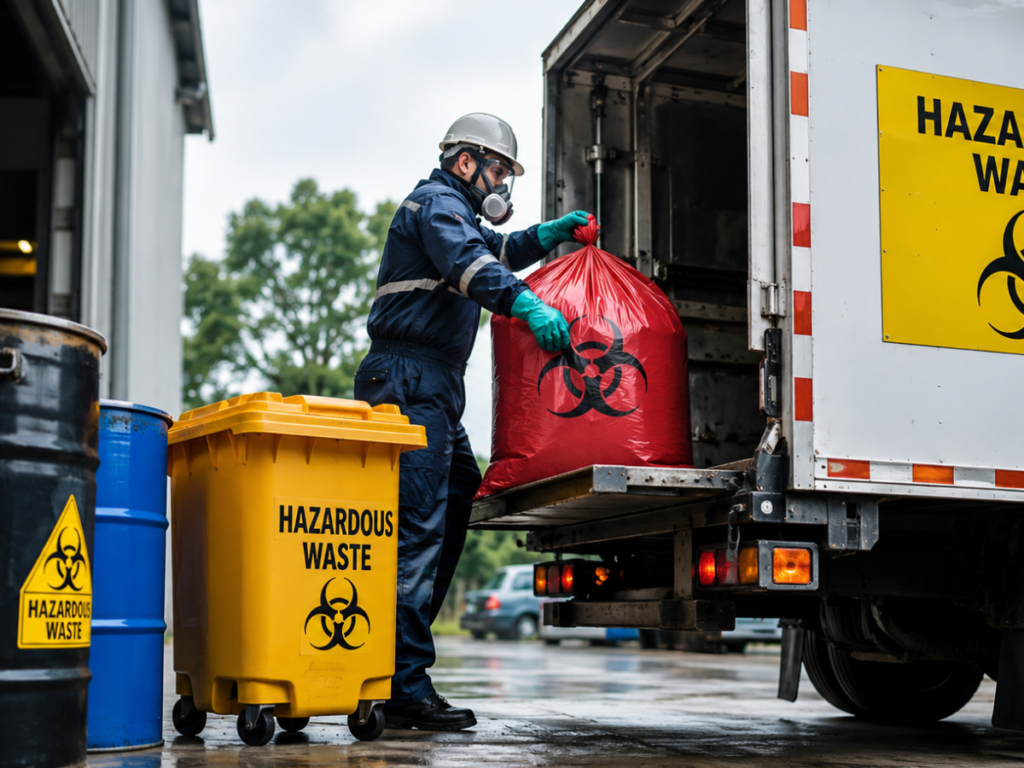
Proper waste disposal is a critical responsibility for organizations that generate hazardous materials. Healthcare facilities, laboratories, manufacturing plants, research centers, and many commercial businesses produce waste that cannot be disposed of through regular trash collection. Without proper handling, hazardous materials can pose significant risks to human health, workplace safety, and the environment. This is why reliable hazardous waste pickup services are an essential part of responsible waste management.
Hazardous waste may include chemicals, solvents, pharmaceutical waste, contaminated materials, laboratory reagents, and certain medical waste. These materials require specialized collection, transportation, treatment, and disposal procedures to reduce the risk of contamination and ensure compliance with environmental regulations. The World Health Organization estimates that around 15% of healthcare waste is hazardous, making proper management especially important for healthcare providers.
What Is Hazardous Waste Pickup?
Hazardous waste pickup refers to the scheduled collection and transportation of waste materials that present chemical, biological, toxic, corrosive, flammable, or reactive hazards. Licensed waste management providers collect these materials using approved containers, vehicles, and handling procedures before transporting them to authorized treatment or disposal facilities.
In the middle of developing a safe disposal program, implementing dependable hazardous waste pickup procedures helps organizations minimize environmental risks while maintaining workplace safety. Hazardous waste management follows a “cradle-to-grave” approach, meaning waste is tracked from generation through final disposal to ensure accountability and compliance.
Types of Hazardous Waste That Require Specialized Pickup
Different industries generate different forms of hazardous waste, including:
Chemical Waste
Chemical waste includes solvents, laboratory reagents, disinfectants, acids, bases, and other substances that may be toxic, corrosive, or reactive.
Pharmaceutical Waste
Expired, unused, or contaminated medications require controlled collection and disposal to prevent environmental contamination and accidental misuse.
Medical Waste
Certain medical waste, including infectious materials and contaminated supplies, requires regulated handling to reduce the risk of disease transmission.
Sharps Waste
Needles, scalpels, syringes, and other sharp objects must be collected in puncture-resistant containers before transport for treatment and disposal.
Industrial Hazardous Waste
Manufacturing facilities often generate hazardous byproducts such as paints, adhesives, oils, heavy metals, and chemical residues that require specialized handling.
Why Proper Hazardous Waste Pickup Matters
Protects Human Health
Improper handling of hazardous materials increases the risk of exposure, injuries, infections, and chemical accidents for employees, waste handlers, and the surrounding community.
Supports Environmental Protection
Hazardous waste that is improperly discarded can contaminate soil, groundwater, rivers, and ecosystems, causing long-term environmental damage.
Helps Maintain Regulatory Compliance
Organizations that generate hazardous waste are generally required to follow strict handling, storage, transportation, and disposal requirements established by environmental and public health authorities.
Improves Workplace Safety
Routine hazardous waste collection reduces clutter, limits accidental exposure, and promotes safer working conditions throughout healthcare and industrial facilities.
Best Practices for Hazardous Waste Management
Organizations can strengthen their waste management programs by following several key practices:
- Segregate hazardous waste from general waste at the point of generation.
- Use properly labeled and approved storage containers.
- Train employees on safe handling procedures.
- Schedule regular waste pickups to avoid excessive accumulation.
- Maintain accurate documentation and waste tracking records.
- Conduct periodic compliance reviews and safety inspections.
These practices help reduce operational risks while supporting responsible environmental stewardship.
Choosing a Hazardous Waste Pickup Service
When selecting a waste management provider, organizations should consider several important factors:
- Experience handling regulated waste streams
- Compliance with applicable regulations
- Reliable collection schedules
- Proper transportation methods
- Documentation and tracking capabilities
- Availability of customized waste management solutions
Working with experienced professionals helps ensure hazardous materials are managed safely from collection through final disposal.
Common Challenges
Managing hazardous waste can become more complex as organizations grow. Common challenges include changing regulatory requirements, increasing waste volumes, proper employee training, accurate waste segregation, and maintaining complete disposal records. Developing clear procedures and partnering with qualified waste management providers can help address these challenges effectively.
Conclusion
Effective hazardous waste pickup is an essential part of protecting public health, maintaining workplace safety, and preserving the environment. From chemical and pharmaceutical waste to infectious materials and industrial byproducts, hazardous waste requires specialized collection and disposal procedures that minimize risk and support regulatory compliance. A comprehensive approach to health care waste management further strengthens these efforts by ensuring healthcare facilities responsibly manage regulated waste while protecting patients, staff, and the communities they serve. By implementing proper handling practices, scheduling routine collections, and maintaining accurate documentation, organizations can create safer and more efficient operations.














Leave a Reply