

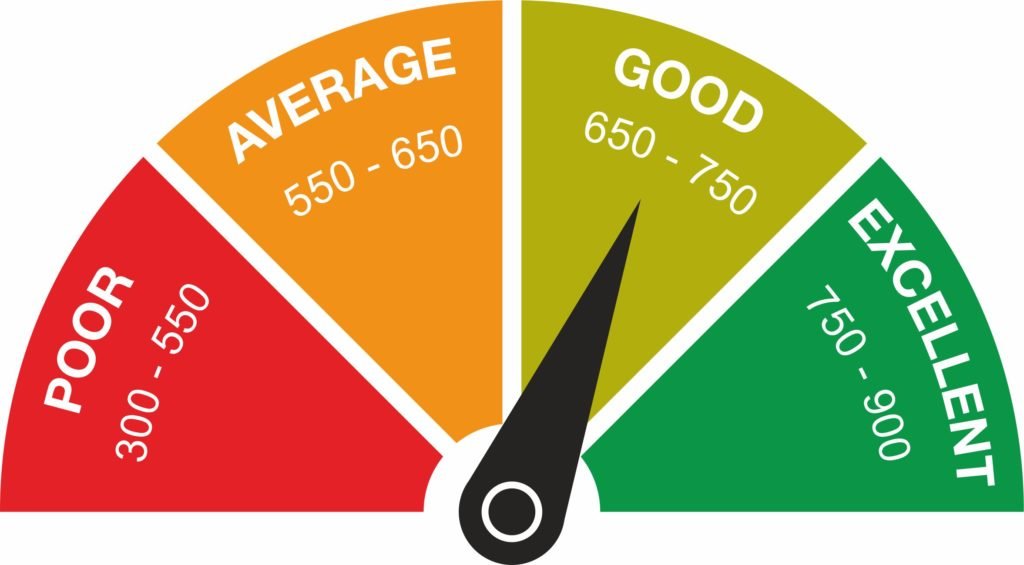
Understanding your credit score is crucial in today’s financial landscape, especially if you’re considering applying for loans or credit cards. In India, CIBIL (Credit Information Bureau (India) Limited) is one of the primary organizations that provide credit scores and reports. This article serves as a beginner’s guide on how to generate your CIBIL report and check your credit score, along with a discussion on how much CIBIL score is required for a personal loan.
What is a CIBIL Score?
A CIBIL score is a three-digit number ranging from 300 to 900 that reflects your creditworthiness to lenders based on your financial history. A higher score indicates good credit health, while a lower score could mean you are a risky borrower in the eyes of lenders. The score is derived from various factors, including payment history, credit utilization, types of credit, duration of credit history, and more.
If you’re wondering how to generate CIBIL report, you can easily access it online by providing your basic details and verifying your identity.
Importance of Checking Your CIBIL Report
Checking your CIBIL report is essential for many reasons:
- Loan Approval: Lenders use your credit score to determine your eligibility for loans. A higher score increases your chances of approval.
- Interest Rates: A good score often qualifies you for lower interest rates.
- Addressing Errors: Regularly reviewing your report allows you to spot any errors or discrepancies that could affect your score.
- Financial Awareness: It helps you understand your financial health and make informed decisions about borrowing and spending.
How to Generate Your CIBIL Report
Step 1: Visit the CIBIL Website
To generate your CIBIL report, head over to the official CIBIL website. Look for the option that says “Get Your CIBIL Score” or “Get Your CIBIL Report.”
Step 2: Choose the Report Type
You will need to select either a free or paid report option. A free report offers limited access—typically once a year—while paid options allow for multiple checks and additional features.
Step 3: Fill in Your Details
You will be required to fill out personal details such as your name, email address, phone number, date of birth, PAN (Permanent Account Number), and address. This information helps CIBIL verify your identity and safeguard your data.
Step 4: Answer Security Questions
To ensure that only you can access your report, you will need to answer validation questions related to your financial history, such as previous loans and credit cards.
Step 5: Make Payment (If Applicable)
If you opt for a paid report, you will need to make the necessary payment using an online transaction method like a credit/debit card or net banking.
Step 6: Access Your Report
Once your identity is verified, CIBIL will generate your report. You can view it online, download it as a PDF, or send it directly to your email for safe keeping.
Step 7: Review Your Report
Carefully analyze your report. Look for your credit score, outstanding dues, and any missed payments. This comprehensive overview will offer insights into how to improve your score if necessary.
Understanding Your Credit Score
Your CIBIL score is determined by various factors:
1. Payment History (35%)
This includes your payment history on loans and credit cards. Timely payments positively influence your score.
2. Credit Utilization (30%)
This looks at how much credit you are using relative to your credit limit. Using less than 30% of your available credit is ideal.
3. Length of Credit History (15%)
This considers how long you have been using credit. A longer history generally reflects greater reliability.
4. Types of Credit (10%)
A mix of credit cards and loans can reflect better on your score.
5. New Credit (10%)
Multiple inquiries into your credit file can negatively affect your score.
How Much CIBIL Score is Required for a Personal Loan?
When applying for a personal loan, most lenders prefer a CIBIL score of 750 or above. However, requirements can vary significantly between lenders:
A good credit score can improve your chances of getting a personal loan with better terms and interest rates. If you’re wondering how much CIBIL score required for personal loan, most lenders generally prefer a score of 750 or above for easier approval.
- 750 and Above: Excellent score leading to high approval chances and favorable interest rates.
- 700-749: Good score that generally qualifies for loans but may attract slightly higher interest rates.
- 650-699: Fair score. You may encounter some lenders willing to approve but with stricter terms.
- Below 650: Low score. Most lenders may reject applications in this range. Improvements to your credit profile are needed.
Tips for Improving Your CIBIL Score
1. Pay Bills on Time
Always pay your loans and credit card dues promptly to maintain a positive payment history.
2. Reduce Credit Utilization
Keep your outstanding credit card bills below 30% of your credit limit.
3. Avoid Unnecessary Credit Applications
Too many inquiries into your credit score in a short time can negatively impact it.
4. Regularly Monitor Your CIBIL Report
Keeping an eye on your report helps in addressing any discrepancies swiftly.
5. Build a Healthy Mix of Credit
Consider a combination of secured and unsecured loans to create a robust credit profile, but don’t take on debt you cannot manage.
Conclusion
Understanding how to generate your CIBIL report and check your credit score is vital in today’s financial environment. Not only does it allow you to keep track of your creditworthiness, but it also opens doors to various financial opportunities. Remember that a good CIBIL score is essential if you aim to secure loans without facing excessive scrutiny. Stay proactive in managing your credit, make timely payments, and regularly check your CIBIL report to ensure a healthy financial future.














Leave a Reply