Sulfur Applications: From Black Gunpowder
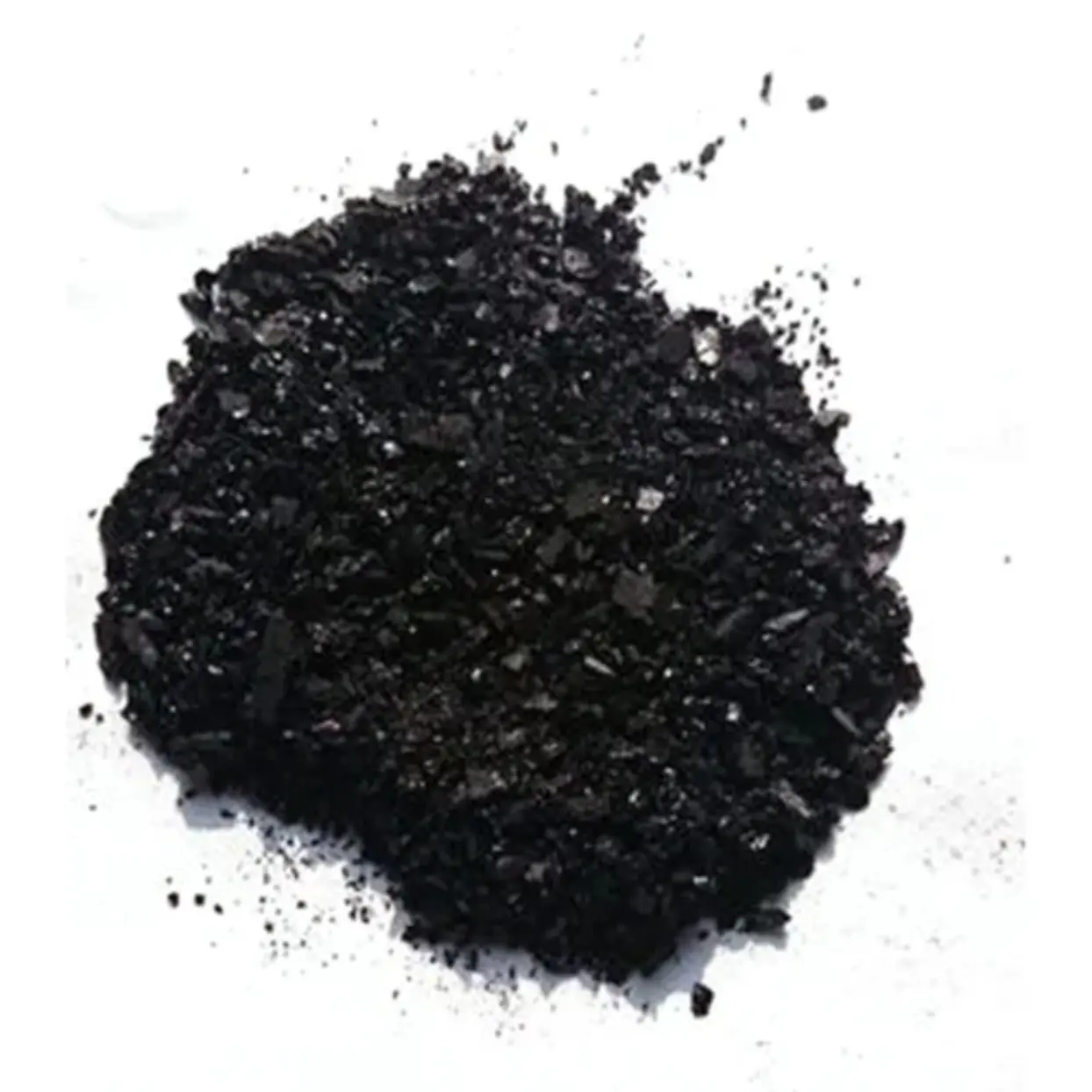
Pabrik sulfur is one of the oldest and most versatile elements used by humanity. Recognized for its bright yellow appearance and distinctive smell when combined with other compounds, sulfur has played an important role in warfare, agriculture, industry, and medicine for centuries. From its use in black gunpowder during ancient times to its modern application in environmentally friendly fungicides, sulfur remains an essential material in many sectors of society.
Early Uses of Sulfur
Humans have known about sulfur for thousands of years. Ancient civilizations, including the Egyptians, Greeks, and Chinese, discovered naturally occurring sulfur deposits near volcanic regions and hot springs. They used the element for religious rituals, medicinal preparations, and fumigation.
One of sulfur’s most significant historical applications emerged with the invention of black gunpowder. Developed in China around the ninth century, black gunpowder consisted of three main ingredients: potassium nitrate, charcoal, and sulfur. Sulfur played a crucial role because it lowered the ignition temperature and improved the speed and efficiency of combustion.
This invention transformed warfare and eventually led to the development of cannons, firearms, and explosives that shaped world history. For centuries, black powder remained the dominant propellant used in military and mining operations.
Sulfur in Industrial Development
As technology advanced, sulfur became increasingly valuable for industrial applications. During the Industrial Revolution, the demand for sulfur rose dramatically because it served as the primary raw material for sulfuric acid production.
Sulfuric acid is often called the “king of chemicals” because of its importance in manufacturing. It is used to produce fertilizers, detergents, synthetic fibers, batteries, and numerous chemical products. Today, sulfuric acid remains one of the most widely produced industrial chemicals worldwide.
Sulfur also contributes to petroleum refining. Refineries use sulfur-based processes to remove impurities from crude oil and improve fuel quality. In addition, sulfur compounds are essential in rubber vulcanization, a process developed by Charles Goodyear in the nineteenth century. Vulcanization strengthens rubber and makes it more resistant to heat and wear, enabling the mass production of tires and other durable rubber products.
Agricultural Importance of Sulfur
Beyond industry, sulfur plays a vital role in agriculture. It is considered an essential nutrient for plants because it contributes to the formation of amino acids, proteins, enzymes, and chlorophyll. Crops lacking sulfur often exhibit poor growth, pale leaves, and reduced yields.
Farmers apply sulfur-containing fertilizers to improve soil fertility and enhance crop productivity. Sulfur helps plants efficiently utilize nitrogen, leading to better quality grains, fruits, and vegetables.
As agricultural practices became more intensive, sulfur deficiency emerged in many regions due to reduced atmospheric sulfur emissions and increased crop production. Consequently, sulfur supplementation has become an important component of modern nutrient management programs.
Sulfur as a Traditional Fungicide
Among sulfur’s most enduring applications is its use as a fungicide. For centuries, farmers recognized that sulfur could protect crops from fungal diseases. Powdered sulfur was commonly applied to vineyards and orchards to combat mildew and other destructive pathogens.
Sulfur works by interfering with fungal metabolism and preventing spores from germinating. Unlike many synthetic chemicals, sulfur acts on multiple biological pathways, making it difficult for fungi to develop resistance. This characteristic has contributed to its continued popularity in agriculture.
Common diseases controlled by sulfur include:
- Powdery mildew
- Rust diseases
- Leaf spots
- Scab infections
- Certain mite infestations
Because sulfur is naturally occurring and relatively inexpensive, it remains an attractive option for growers around the world.
Modern Sulfur Fungicides
Advances in agricultural science have led to the development of more sophisticated sulfur formulations. Modern products are available as wettable powders, dusts, granules, and liquid suspensions that provide improved coverage and easier application.
Micronized sulfur products contain extremely small particles that adhere better to plant surfaces and deliver more effective disease control. These formulations offer enhanced performance while reducing the amount of material required.
Sulfur fungicides are widely used in crops such as:
- Grapes
- Tomatoes
- Cucumbers
- Apples
- Strawberries
- Citrus fruits
Organic farming systems particularly favor sulfur because it is approved for use under many organic certification standards. As consumers increasingly demand sustainable and residue-free food production, sulfur-based products have gained renewed importance.
Environmental Considerations
Compared with many synthetic fungicides, sulfur is generally considered environmentally friendly. It breaks down naturally and leaves minimal long-term residues in soil and water. Moreover, sulfur’s low risk of resistance development helps preserve its effectiveness over extended periods.
However, sulfur must still be used responsibly. Excessive application can cause plant injury, especially during hot weather. Some beneficial insects and microorganisms may also be affected under certain conditions. Therefore, integrated pest management strategies recommend using sulfur alongside cultural and biological control methods.
Researchers continue to investigate innovative sulfur formulations that maximize disease protection while minimizing environmental impacts.
Future Prospects
The future of sulfur applications extends beyond traditional uses. Scientists are exploring sulfur-based materials for advanced batteries, solar cells, and environmental remediation technologies. Sulfur-rich compounds are also being studied for pharmaceutical and antimicrobial applications.
In agriculture, precision farming and nanotechnology may further improve sulfur delivery systems, allowing farmers to target diseases more efficiently and reduce waste. Such developments align with global efforts to promote sustainable food production and reduce reliance on synthetic pesticides.
Conclusion
From fueling ancient black gunpowder to protecting crops with modern fungicides, sulfur has demonstrated remarkable versatility throughout human history. Its contributions to industry, agriculture, and technology have made it one of the most valuable elements in everyday life. As scientific innovation continues, sulfur is likely to remain an indispensable resource, supporting both traditional practices and emerging technologies for generations to come.
About The Author