

Ever notice how bakeries keep their ovens up front, near the window? It’s on purpose. That warm vanilla smell drifts out to the sidewalk and pulls people in before they’re even hungry. Weird how a scent can do that.
And it’s the same pull that landed vanilla on our skincare shelves and in our diffusers. The oil has gotten popular. Quietly popular, the kind where you don’t notice how many products contain it until you start reading labels. But not just because it smells nice. There’s more going on.
So let’s get into it. What it does, why people keep buying it, and how to use it without throwing money away or upsetting your skin.
Quick Honesty Check First
Here’s something the bottles won’t tell you upfront. Real steam-distilled vanilla essential oil? Rare. And expensive. The bean is stubborn and doesn’t hand over its oil easily.
Most “vanilla essential oil” on the shelf is actually something else. A vanilla oleoresin. A CO2 extract. Or vanilla absolute, usually pre-blended into a carrier like jojoba or fractionated coconut oil.
That’s fine, by the way. Those forms are honestly what you want for skin and aromatherapy anyway. Just read the label. What you’re trying to dodge is “vanilla fragrance oil,” which is a synthetic scent cooked up in a lab with none of the plant’s actual benefits. The tell? If it’s cheap and the word “fragrance” is on the bottle, that’s your answer.
What It Does for Skin
So why does vanilla keep turn up in serums, balms, body oils?
Antioxidants, mostly. Vanilla contains vanillin, the compound behind that signature smell, and vanillin has antioxidant activity. Translation: antioxidants help your skin push back against daily junk. Pollution. Sun. City grime. All the stuff that slowly leaves skin looking tired and dull.
Then there’s the soothing side. People with reactive or easily irritated skin often find gentle vanilla blends calming instead of stinging, which you really can’t say for most fragranced stuff. Though, fair warning, gentle doesn’t mean a free pass. More on that below, because the safety bit matters more than the marketing lets on.
One more thing. Vanilla blends beautifully. It’s a fixative, meaning it anchors and stretches out the scent of whatever it’s mixed with. A few drops, and a homemade body oil smells richer and lasts longer on the skin. That’s the reason it hides inside so many of those “warm” and “cozy” product lines, the ones built for winter and bedtime.
Why Aromatherapy Can’t Get Enough of It
If skin is where vanilla earns its keep, aromatherapy is where it gets emotional.
The scent ties straight into feelings of warmth and safety and calm. Part chemistry, part pure memory, baking, childhood kitchens, the holidays. Doesn’t matter which. The effect lands either way.
People drop it in a diffuser when they want to slow down. It fits sleep routines, stress relief, those evenings where you just want the day to go soft around the edges. Peppermint and eucalyptus snap you awake. Vanilla does the opposite. It settles a room down.
And it’s a great mixer. A drop rounds the sharpness off citrus oils. Deepens florals like lavender or ylang-ylang. Adds a cozy base under spice oils, cinnamon, clove. Ever wondered why nearly every “relax” blend lists vanilla? That’s it. It’s the quiet team player that makes everything beside it smell more expensive than it is.
How to Actually Use the Stuff
For skin, dilution is the whole game. These extracts are strong, and a little stretches a long way. Safe range sits around 1 to 2 percent in a carrier oil for the body, lower for your face. In real terms that’s just a few drops per tablespoon of carrier.
Stir it into a body oil. Add a drop to unscented lotion. Mix it into a sugar scrub for that spa finish. Easy.
Aromatherapy’s even simpler. A few drops in the diffuser does it, and it plays nice if you want to soften some harsher oil. You can make a linen or pillow mist too, properly diluted, just don’t spray it where it’ll sit on bare skin for hours.
Now the part the pretty bottles skip. Patch test. Seriously. Dab a bit of your diluted blend on the inside of your forearm and wait a day. Vanilla absolutes especially can set off sensitivity in some people, and “natural” never automatically means safe for everyone. Pregnant, on meds, dealing with a skin condition? Ask a professional first. Two minutes, worth it.
Storage, Shelf Life, and the Packaging Bit
Vanilla extracts cost money, and they hate light and heat. Sunlight and a warm bathroom shelf will break the oil down faster, dulling both the smell and the benefits.
So keep your bottles somewhere cool and dark. Dark amber or cobalt glass is ideal, and cap them tight so the aroma doesn’t slip away.
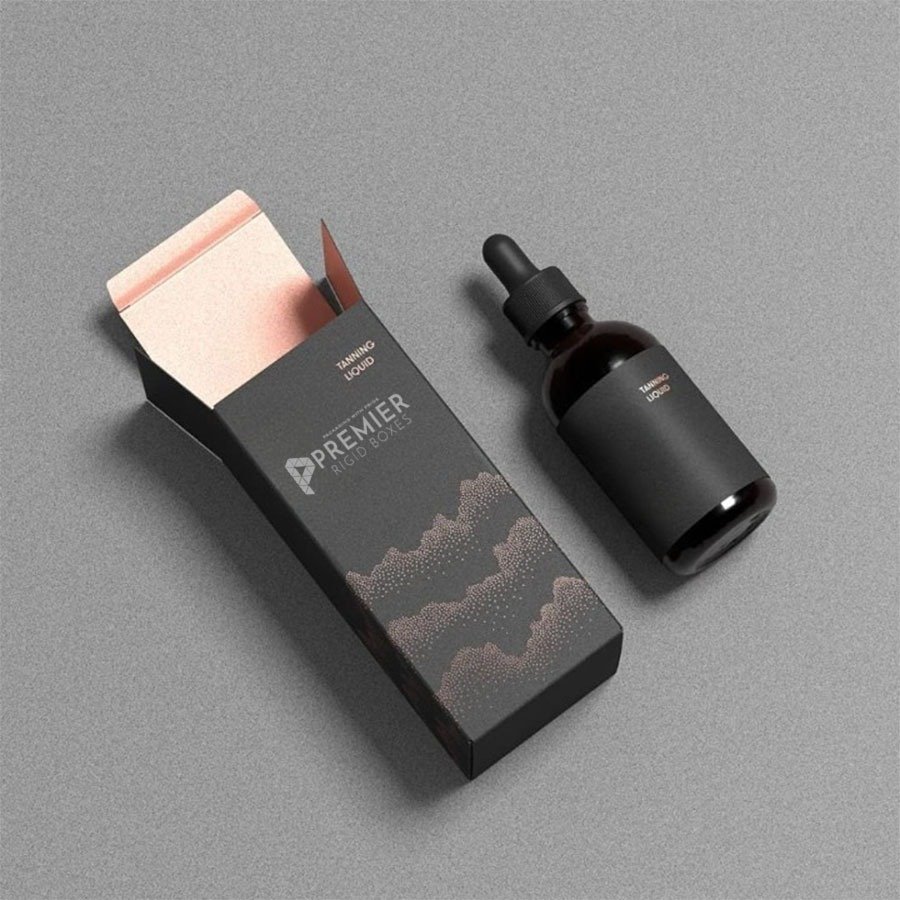
This is also where packaging quietly does its job. Good essential oil box packaging shield the bottles from light during shipping and storage, stop breakage, and, for any brand selling these, signal a level of care that buyers link to a premium product before they’ve even cracked the lid. With light-sensitive oils, presentation isn’t vanity. It’s part of keeping the thing intact.
Final Words
Vanilla essential oil earned its spot the honest way. It actually delivers, on two fronts. On skin, the antioxidants and that soothing nature make it a gentle, blend able add to a routine. In the air, the warm grounding scent does something for the nervous system that few oils manage. Just buy the real extract over synthetic fragrance, dilute it right, keep it out of the light, and patch test before diving in.
















Leave a Reply