Why Organizations Need a Resilient Data Protection Strategy
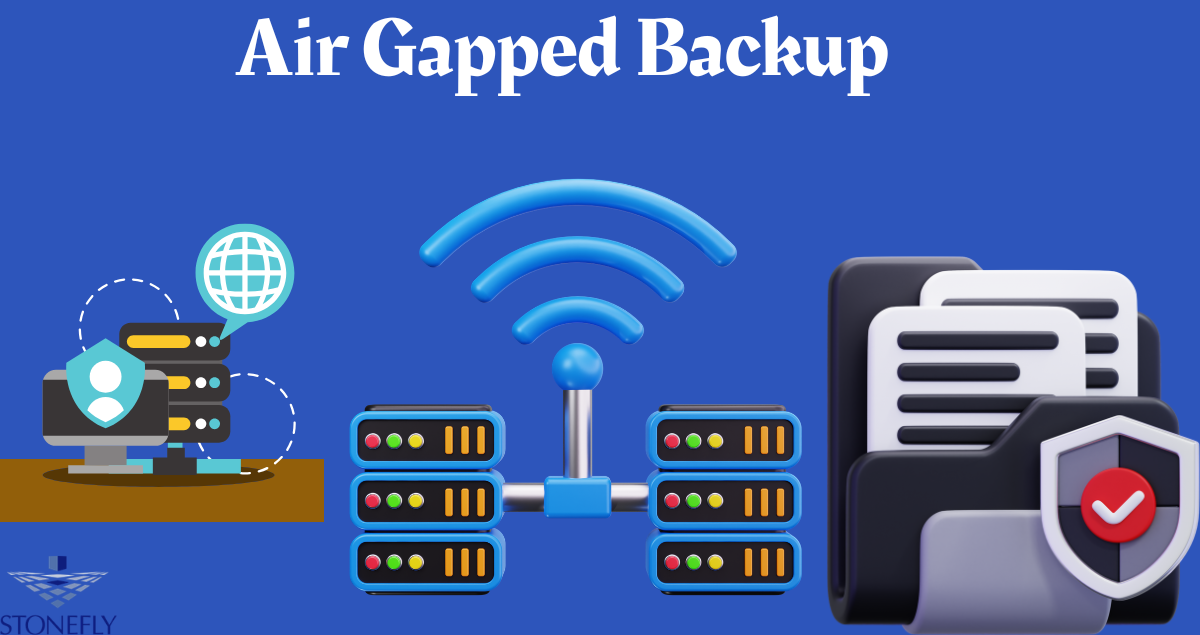
Data has become one of the most valuable assets for organizations of every size. From customer records and financial transactions to intellectual property and operational information, businesses rely on data to maintain continuity and deliver services. As cyber threats become more sophisticated and disruptive, companies are looking for stronger methods to safeguard critical information. One of the most effective approaches available today is Air Gapped Backup, a solution designed to provide an additional layer of protection against data loss, ransomware, and unauthorized access.
The Growing Challenge of Data Security
Organizations are facing an increasingly complex threat landscape. Cybercriminals continuously develop new tactics to infiltrate networks, encrypt files, and demand large ransom payments. Traditional security measures such as firewalls, antivirus software, and access controls remain important, but they are no longer enough on their own.
The consequences of a successful attack can be severe. Businesses may experience operational downtime, financial losses, regulatory penalties, and damage to their reputation. In many cases, recovery becomes difficult when attackers manage to compromise both production systems and connected backup environments.
This reality has pushed organizations to rethink how they approach data protection and disaster recovery.
Understanding the Importance of Isolation
One of the most effective principles in cybersecurity is isolation. By separating critical resources from primary production environments, organizations can reduce the likelihood that a security incident will spread across their entire infrastructure.
When backups remain directly connected to operational systems, attackers who gain access to the network may also gain access to backup repositories. This creates a significant risk because the very resources needed for recovery may become compromised.
Isolation helps ensure that protected data remains accessible even when primary systems have been affected by malicious activity.
Why Connected Backups Can Be Vulnerable
Many organizations store backup copies on systems that remain constantly accessible through the network. While this provides convenience and simplifies management, it can also introduce security concerns.
Potential risks include:
- Ransomware encrypting backup files
- Unauthorized deletion of recovery data
- Insider threats affecting stored information
- Malware spreading through connected infrastructure
- Credential theft leading to administrative compromise
These vulnerabilities highlight the need for stronger protection mechanisms that extend beyond traditional backup practices.
Building a Comprehensive Recovery Framework
Effective data protection is not simply about storing copies of files. It requires a complete recovery framework that addresses multiple failure scenarios.
A resilient strategy typically includes:
Risk Assessment
Organizations should identify critical assets and evaluate the potential impact of various disruptions. Understanding what data is most valuable allows teams to prioritize protection efforts effectively.
Recovery Objectives
Businesses should establish clear recovery time objectives (RTOs) and recovery point objectives (RPOs). These metrics help determine how quickly systems must be restored and how much data loss can be tolerated.
Multiple Recovery Layers
Relying on a single recovery method creates unnecessary risk. A layered approach provides greater flexibility and resilience during emergencies.
Regular Testing
Recovery plans should be validated through routine testing. Simulated incidents help organizations identify weaknesses before real-world disruptions occur.
Strengthening Cyber Resilience
Cyber resilience focuses on maintaining business operations despite attacks, failures, or unexpected disruptions. Rather than assuming prevention measures will always succeed, resilience planning acknowledges that incidents can occur and prepares organizations to recover quickly.
Businesses that prioritize resilience often experience:
- Reduced downtime
- Faster recovery processes
- Lower financial impact
- Greater customer confidence
- Improved regulatory compliance
These benefits make resilience a key objective for modern IT and security teams.
The Role of Independent Recovery Copies
Independent recovery copies provide a safeguard against widespread compromise. When production environments experience a security incident, organizations need confidence that clean recovery data remains available.
This approach supports business continuity by ensuring that recovery resources are protected from the same threats affecting operational systems.
A well-designed architecture separates recovery assets from daily operations while maintaining efficient access when restoration becomes necessary.
Compliance and Regulatory Considerations
Many industries operate under strict regulations governing data retention, privacy, and protection. Regulatory requirements often demand that organizations maintain reliable recovery capabilities and demonstrate the ability to restore information following an incident.
Common compliance goals include:
- Protecting sensitive customer information
- Preserving historical records
- Ensuring business continuity
- Maintaining audit readiness
- Supporting legal and regulatory obligations
A strong data protection strategy helps organizations meet these requirements while reducing operational risk.
Industry Sectors That Benefit Most
Although every organization can benefit from enhanced data protection, certain sectors face particularly high stakes.
Financial Services
Banks, insurance providers, and financial institutions manage highly sensitive information and require reliable recovery capabilities.
Healthcare
Medical organizations must protect patient records while ensuring critical systems remain available.
Government Agencies
Public sector organizations handle confidential information and often face sophisticated cyber threats.
Manufacturing
Production environments depend on operational continuity and may suffer significant losses during extended downtime.
Technology Companies
Software providers and digital businesses rely heavily on data availability and service reliability.
Best Practices for Long-Term Protection
Creating a sustainable protection strategy requires more than implementing technology. Organizations should establish policies and processes that support long-term security objectives.
Develop Clear Governance Policies
Governance frameworks define responsibilities, procedures, and security standards across the organization. Clear accountability improves consistency and reduces operational gaps.
Implement Access Controls
Limiting administrative privileges reduces the risk of accidental changes and malicious activity. Access should follow the principle of least privilege whenever possible.
Monitor Security Continuously
Continuous monitoring helps identify unusual behavior before it develops into a major incident. Early detection significantly improves response effectiveness.
Maintain Documentation
Accurate documentation supports faster recovery efforts and helps teams respond confidently during emergencies.
Train Personnel Regularly
Employees play an important role in organizational security. Ongoing training improves awareness and reduces human-related risks.
Planning for Future Threats
The cybersecurity landscape continues to evolve. Attackers increasingly leverage automation, artificial intelligence, and advanced techniques to target organizations worldwide.
Future-ready businesses recognize that data protection strategies must evolve alongside emerging threats. Investments in resilience, recovery, and isolation provide long-term value by helping organizations adapt to changing risk environments.
Security leaders should regularly review protection frameworks and adjust them based on new threats, business requirements, and technological developments.
Creating a Culture of Preparedness
Technology alone cannot eliminate risk. Organizations that foster a culture of preparedness are often better positioned to handle unexpected events.
Key elements of preparedness include:
- Executive support
- Security awareness programs
- Incident response planning
- Cross-functional collaboration
- Continuous improvement initiatives
A proactive mindset strengthens organizational resilience and supports long-term success.
Conclusion
As cyber threats continue to grow in frequency and sophistication, organizations must move beyond traditional approaches to data protection. A comprehensive recovery strategy built around isolation, resilience, and reliable restoration capabilities can significantly reduce risk. By incorporating Air Gapped Backup into a broader data protection framework, businesses can improve recovery readiness, strengthen security posture, and ensure critical information remains available when it is needed most.
FAQs
1. How does an isolated recovery strategy improve business continuity?
An isolated recovery strategy helps ensure that recovery data remains protected even if primary systems are compromised. This enables organizations to restore operations more quickly and minimize downtime during disruptive events.
2. What should organizations consider when evaluating data protection solutions?
Organizations should assess recovery speed, security controls, scalability, compliance requirements, management complexity, and long-term reliability. The best solution aligns with both operational needs and future growth objectives.
3. Why is ransomware a major concern for backup environments?
Ransomware attacks often target both production systems and connected backups. If backup data becomes encrypted or deleted, recovery can be significantly more difficult. Organizations need protection strategies that help preserve clean recovery copies and support rapid restoration after an attack.
4. How often should organizations test their disaster recovery plans?
Organizations should test disaster recovery plans regularly, at least once or twice a year, and whenever significant infrastructure changes occur. Regular testing helps verify recovery procedures, identify weaknesses, and ensure teams can respond effectively during an actual incident.
5. Which industries benefit the most from advanced data protection strategies?
Industries that handle sensitive information or require continuous operations benefit the most. These include healthcare, financial services, government agencies, manufacturing companies, and technology providers that depend on reliable access to critical data and systems.
Industries that handle sensitive information or require continuous operations benefit the most. These include healthcare, financial services, government agencies, manufacturing companies, and technology providers that depend on reliable access to critical data and systems.
About The Author