

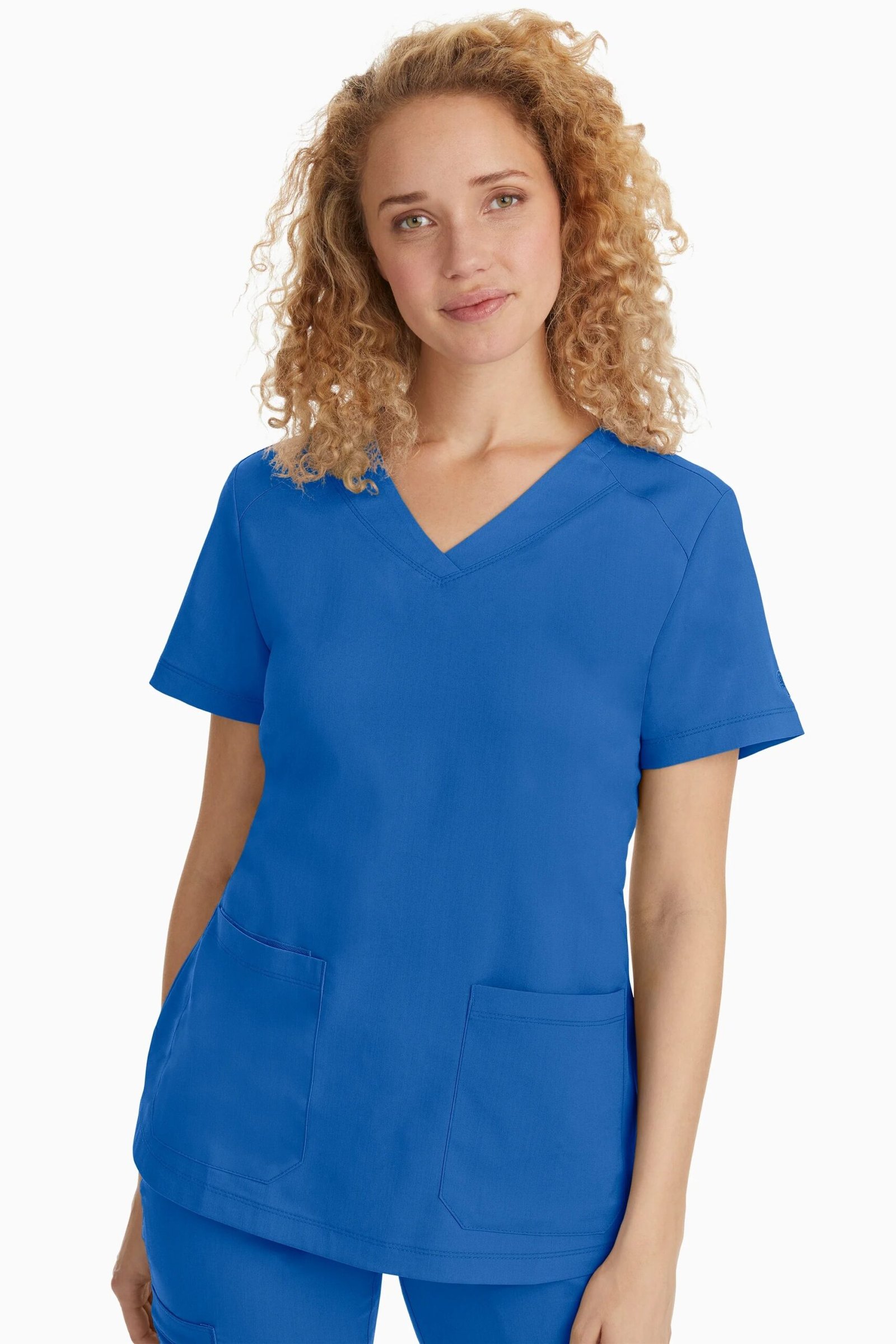
Healthcare environments demand precision, safety, and professionalism. While advanced medical equipment and clinical expertise often receive the most attention, the role of surgical scrubs remains equally important in supporting hygiene standards and workplace efficiency.
From hospitals and day surgery centres to specialist clinics and aged care facilities, surgical scrubs have become a standard part of healthcare attire across Australia. Designed for comfort, cleanliness, and practicality, they help medical professionals perform their duties while maintaining high standards of infection control.
As healthcare systems continue to evolve, understanding the purpose and benefits of modern scrubs can help organisations and professionals make informed decisions about workplace uniforms.
The Purpose of Surgical Scrubs in Healthcare
Surgical scrubs were originally introduced to create a cleaner environment within operating theatres. Over time, their use expanded beyond surgery departments into nearly every area of healthcare.
Today, scrubs serve several important functions:
- Supporting infection prevention practices
- Providing comfort during long shifts
- Creating a professional appearance
- Allowing freedom of movement
- Helping identify healthcare personnel
Unlike traditional uniforms, scrubs are designed specifically for demanding clinical environments. Their simple structure reduces contamination risks while making laundering and maintenance more effective.
In Australian healthcare facilities, scrubs are commonly worn by surgeons, nurses, anaesthetists, dentists, physiotherapists, veterinary professionals, and support staff.
Key Features That Define Quality Medical Apparel
Not all healthcare uniforms are created equal. High-quality medical clothing incorporates features that address the unique challenges faced by healthcare professionals.
Durable Fabric Construction
Healthcare workers often perform physically demanding tasks throughout their shifts. Quality scrub fabrics are engineered to withstand frequent washing, repeated wear, and exposure to various workplace conditions.
Many modern uniforms combine cotton, polyester, and performance fibres to achieve durability without sacrificing comfort.
Breathability and Comfort
Medical professionals frequently work extended shifts that may last 10 to 12 hours or more. Breathable fabrics help regulate body temperature and improve comfort throughout the day.
Lightweight materials can be particularly valuable in busy hospital environments where staff are constantly moving between patients and departments.
Functional Design
Practical features such as reinforced seams, multiple pockets, and flexible cuts contribute to workplace efficiency. Storage space for pens, identification cards, notepads, and medical tools can make daily tasks more manageable.
The best designs balance functionality with a professional appearance.
How Scrubs Support Infection Control Practices
Infection prevention remains a critical priority within healthcare settings. While scrubs alone cannot eliminate infection risks, they form part of broader hygiene and safety protocols.
Healthcare uniforms are designed to be washed at high temperatures and replaced regularly, helping reduce the accumulation of contaminants. Many facilities also implement strict laundering procedures to maintain cleanliness standards.
For example, operating theatre personnel typically change into dedicated scrubs before entering sterile environments. This process helps minimise the introduction of external contaminants into surgical areas.
Combined with hand hygiene, personal protective equipment, and environmental cleaning, scrubs contribute to a safer clinical environment for both patients and staff.
The Growing Importance of Comfort in Healthcare Workplaces
Healthcare professionals spend much of their day standing, walking, lifting equipment, and assisting patients. As a result, comfort has become a major consideration when selecting medical uniforms.
Poorly fitted clothing can restrict movement and create unnecessary discomfort during long shifts. Modern scrub designs focus on ergonomic construction that supports mobility while maintaining a professional appearance.
Many healthcare organisations in Australia now prioritise staff wellbeing through uniform policies that emphasise comfort alongside functionality.
For instance, nurses working in emergency departments may walk several kilometres during a single shift. Comfortable uniforms can help reduce distractions and support workplace performance.
Choosing the Right Scrubs for Different Healthcare Roles
Different healthcare settings often require different uniform considerations.
Surgical Teams
Operating room personnel generally require lightweight, easy-to-sanitise garments that support strict infection control procedures.
Nursing Professionals
Nurses often benefit from scrubs with additional storage and flexibility, allowing them to move efficiently between patients and clinical tasks.
Allied Health Practitioners
Physiotherapists, occupational therapists, and rehabilitation specialists may prefer uniforms that allow unrestricted movement during patient assessments and treatment sessions.
Dental and Specialist Clinics
Dental professionals and specialist practitioners often seek scrubs that combine a polished appearance with practical functionality.
Manufacturers continue developing specialised options to meet the diverse needs of these healthcare sectors.
Trends Shaping Medical Uniforms in Australia
The healthcare apparel industry has changed significantly over the past decade. Modern healthcare professionals increasingly expect uniforms that deliver both performance and comfort.
Several trends are influencing the Australian market:
Sustainable Materials
Many healthcare organisations are exploring environmentally responsible textile options. Recycled fibres and sustainable manufacturing practices are becoming more common within medical apparel production.
Improved Fabric Technology
Advanced materials now offer features such as moisture management, wrinkle resistance, and enhanced durability.
Inclusive Sizing and Fit
Healthcare workplaces are diverse, and uniform providers are responding with broader sizing ranges and more inclusive design options.
Professional Branding
Some healthcare facilities choose coordinated uniforms that support team identification and reinforce professional standards. Providers such as Wash N Wear contribute to this evolving landscape by offering healthcare apparel designed to meet the practical needs of Australian professionals.
These developments reflect a growing recognition that uniforms play an important role in workplace performance and employee satisfaction.
Why Healthcare Attire Remains a Critical Workplace Consideration
Medical uniforms may seem like a small component of healthcare operations, but their impact extends beyond appearance. Appropriate attire supports infection control, enhances comfort, promotes professionalism, and contributes to a more organised clinical environment.
Whether worn in hospitals, specialist clinics, dental practices, or aged care facilities, surgical scrubs Australia continue to serve an essential purpose in modern healthcare settings. As healthcare demands evolve, the design and functionality of medical apparel will likely continue advancing to meet the needs of professionals across Australia.
Understanding these factors helps healthcare organisations and workers appreciate why quality uniforms remain an important part of delivering safe and effective patient care.














Leave a Reply