How Can Men Stop Hair Loss and Regrow Hair Successfully?
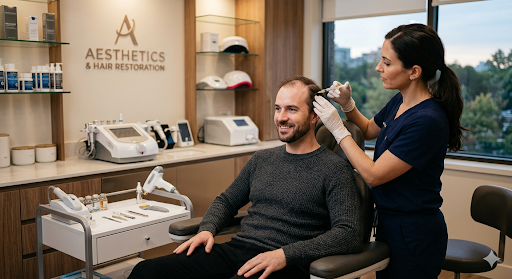
Hair loss is one of the most common concerns for men of all ages. Whether it starts with a receding hairline, thinning crown, or excessive hair shedding, it can affect confidence and self-esteem. The good news is that modern hair loss treatments for men offer several effective ways to slow down hair loss and even promote healthy regrowth.
Understanding the cause of hair loss is the first step toward finding the right treatment. Male pattern baldness, stress, poor diet, hormonal imbalance, medical conditions, and lifestyle habits can all contribute to hair thinning. Choosing the right solution depends on identifying the root cause and starting treatment early.
Understanding Why Men Lose Hair
Hair loss in men is often linked to genetics and hormones. The most common type is androgenetic alopecia, also known as male pattern baldness. This happens when the hormone DHT (dihydrotestosterone) shrinks hair follicles over time, making hair thinner until it stops growing.
Other causes include:
- Stress and anxiety
- Poor nutrition
- Lack of sleep
- Thyroid disorders
- Vitamin deficiencies
- Scalp infections
- Smoking and alcohol use
- Certain medications
Knowing the reason behind your hair loss helps in selecting the best hairloss treatments for men.
Minoxidil:
Minoxidil is one of the most widely used treatments for male hair loss. It is available without a prescription and comes in liquid or foam form. It is applied directly to the scalp, usually twice a day.
Minoxidil works by improving blood flow to the hair follicles, helping them stay active longer. It may slow hair loss and encourage new growth, especially in the early stages of thinning.
Most users start seeing results after 3 to 6 months of regular use. Consistency is important because stopping treatment can cause hair loss to return.
Finasteride:
Finasteride is another trusted option among hairloss treatments for men. It is an oral medication that works by reducing DHT levels in the body. Since DHT is the main hormone responsible for male pattern baldness, lowering it helps protect hair follicles.
Finasteride is often more effective for preventing further hair loss and is commonly used with Minoxidil for better results.
However, it requires a doctor’s prescription and may cause side effects such as reduced libido or mild hormonal changes in some men. Always consult a healthcare professional before starting it.
Natural Remedies That May Help
While medical treatments are more proven, some natural methods can support healthy hair growth when combined with proper care.
Healthy Diet
Hair needs nutrients like protein, iron, zinc, biotin, and vitamins A, C, D, and E. Eating eggs, fish, nuts, leafy greens, and fruits can strengthen hair naturally.
Scalp Massage
Regular scalp massage improves blood circulation and may help stimulate hair follicles.
Onion Juice and Rosemary Oil
Some people use onion juice or rosemary oil as home remedies. While research is limited, they may help improve scalp health and support growth.
Natural methods are best used as supportive care rather than complete solutions.
PRP Therapy for Hair Restoration
Platelet-Rich Plasma (PRP) therapy has become a popular clinic-based treatment. In this process, a small amount of your blood is taken, processed, and injected into the scalp.
PRP contains growth factors that may help repair weak hair follicles and improve thickness. It is often recommended for men with early to moderate hair loss.
Although PRP can be effective, it may require multiple sessions and can be more expensive than other options.
Hair Transplant for Permanent Results
For advanced hair loss, a hair transplant can be a long-term solution. This surgical procedure moves healthy hair follicles from one part of the scalp to thinning or bald areas.
Modern hair transplant methods like FUE (Follicular Unit Extraction) provide natural-looking results with less downtime.
Although it is more costly, many men choose this option when they want permanent improvement and stronger hair density.
Lifestyle Changes That Support Hair Growth
Treatments work better when supported by healthy daily habits. Some simple lifestyle improvements include:
Reduce Stress
Stress can trigger temporary hair shedding. Meditation, exercise, and better sleep can help reduce this problem.
Avoid Harsh Hair Products
Strong chemicals, excessive heat styling, and tight hairstyles can damage hair roots.
Quit Smoking
Smoking affects blood circulation and may weaken hair follicles over time.
Stay Hydrated
Proper hydration supports scalp health and overall hair strength.
These habits improve the effectiveness of hairloss treatments for men and help maintain long-term results.
When to See a Doctor
If hair loss is sudden, patchy, or severe, it is important to seek medical advice. Sometimes hair loss may be linked to an underlying health problem like thyroid disease, anemia, or autoimmune conditions.
A dermatologist can properly diagnose the issue and suggest the most suitable treatment plan.
Early action gives the best chance for successful regrowth.
Combining Treatments for Better Results
Many experts recommend combining treatments instead of relying on only one method. For example:
- Minoxidil + Finasteride
- PRP + Minoxidil
- Hair transplant + maintenance treatments
This combined approach often delivers stronger and faster improvement.
Choosing the right plan depends on your age, hair loss stage, budget, and personal goals.
Final Thoughts
Hair loss does not have to be permanent. With the right approach, many men can slow down thinning, regrow healthier hair, and restore confidence. From medical solutions like Minoxidil and Finasteride to advanced procedures like PRP and hair transplants, there are many reliable hairloss treatments for men available today.
The key is to start early, stay consistent, and choose treatments based on professional advice rather than quick online promises. Hair regrowth takes time, but with patience and the right strategy, visible improvement is possible.
If you are experiencing hair loss, now is the best time to take action and invest in healthier, stronger hair for the future.
About The Author