

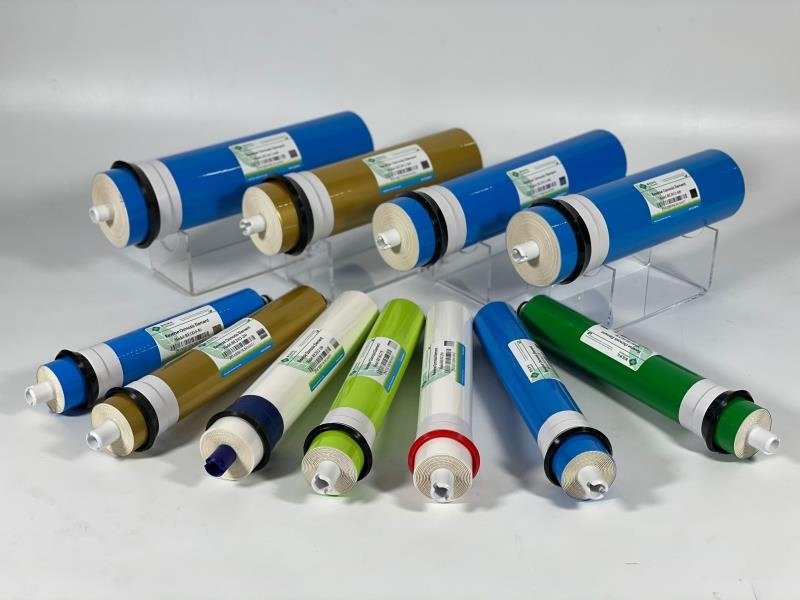
ro membrane is the most important component in a reverse osmosis water filtration system, responsible for removing the smallest and most harmful contaminants from water. It is often called the “heart” of an RO system because it performs the main purification process. This membrane is designed with extremely tiny pores that allow only water molecules to pass through while blocking dissolved salts, bacteria, viruses, and heavy metals.
What Is an RO Membrane and How It Works
An RO membrane is a semi-permeable layer that uses pressure to separate impurities from water. When water is forced through this membrane, contaminants are left behind while clean water passes through. This process is known as reverse osmosis and is highly effective in producing safe drinking water. The membrane can remove up to 99% of impurities, including lead, arsenic, fluoride, and dissolved solids, making it one of the most reliable filtration methods available .
Types of RO Membranes
There are different types of RO membranes designed for various applications. Residential membranes are typically rated between 50 to 100 gallons per day and are ideal for home use. Commercial membranes, such as 200 to 400 GPD systems, are used in offices, hospitals, and industries where higher water output is required. The size and capacity of the membrane determine how much purified water can be produced daily, making it important to choose the right type based on usage needs.
Materials and Structure
RO membranes are usually made from advanced materials such as thin film composite, also known as TFC. These materials are engineered to provide high filtration efficiency and durability. The membrane structure consists of multiple layers that enhance its ability to reject contaminants while maintaining a steady flow of water. With pore sizes as small as 0.0001 microns, RO membranes can filter out even microscopic impurities that other filtration methods cannot remove .
Benefits of Using an RO Membrane
One of the biggest advantages of an RO membrane is its ability to deliver extremely pure water. It removes harmful substances, improves taste, and eliminates odors, making water safe for drinking and cooking. It also protects against long-term health risks associated with contaminated water. Another benefit is its reliability, as it consistently produces high-quality water when properly maintained. The membrane also supports multi-stage filtration systems, enhancing overall performance.
Applications in Residential and Industrial Systems
RO membranes are widely used in homes, offices, and industrial settings. In residential systems, they are commonly installed under sinks or as part of whole-house filtration units. In commercial and industrial applications, they are used in water treatment plants, food processing, pharmaceuticals, and manufacturing industries. Their ability to provide consistent and high-quality water makes them essential for a wide range of uses.
Maintenance and Lifespan
Proper maintenance is crucial for the performance of an RO membrane. Typically, a membrane lasts between 1 to 2 years, depending on water quality and usage. Pre-filters such as sediment and carbon filters play an important role in protecting the membrane from damage by removing larger particles and chlorine before water reaches it. Regular replacement of these pre-filters helps extend the lifespan of the membrane and ensures consistent performance.
Choosing the Right RO Membrane
Selecting the right RO membrane depends on factors such as water quality, daily water consumption, and system compatibility. It is important to choose a membrane with the appropriate capacity and filtration efficiency. High-quality membranes offer better contaminant removal and longer service life, making them a cost-effective investment in the long run. Compatibility with standard housings and ease of installation are also key considerations.
Future of RO Membrane Technology
Advancements in RO membrane technology are focused on improving efficiency, reducing water waste, and increasing durability. New designs aim to enhance water flow while maintaining high levels of purification. These innovations are making RO systems more efficient and environmentally friendly, helping to address global water challenges. As technology continues to evolve, RO membranes will remain a cornerstone of modern water purification systems.
Conclusion
RO membrane is a vital component in achieving clean and safe drinking water. Its advanced filtration capabilities make it one of the most effective solutions for removing contaminants and improving water quality. By choosing a high-quality membrane and maintaining it properly, users can ensure reliable performance and long-term benefits. For advanced water purification solutions, BasideWT continues to provide high-quality systems designed to meet modern water treatment needs.












Leave a Reply