

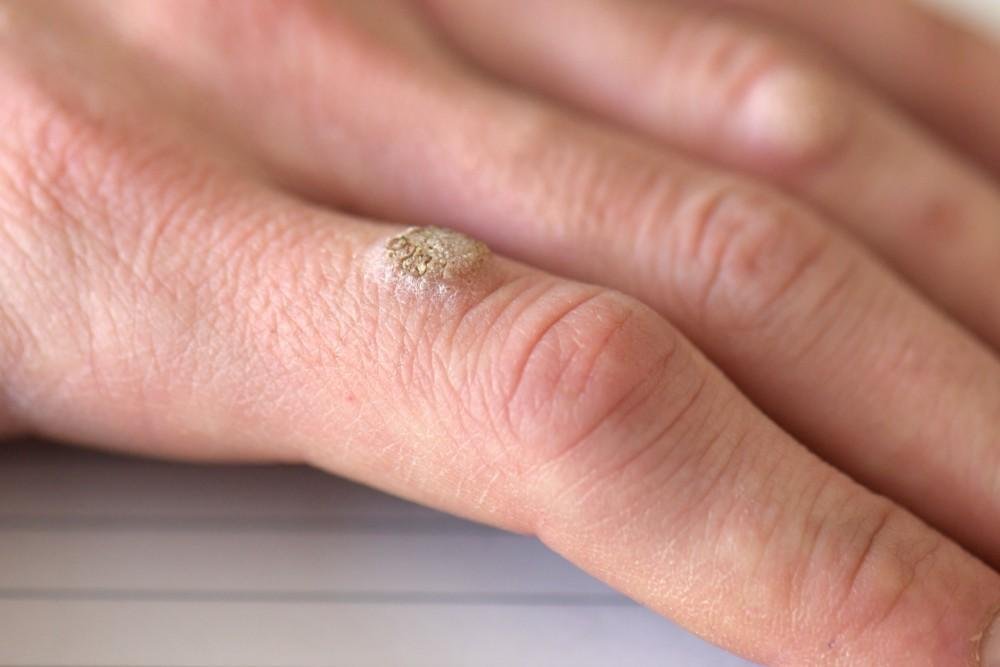
Maintaining clear, healthy skin is a priority for many individuals, yet certain dermatological concerns like viral growths can arise unexpectedly. When seeking professional assistance, understanding the timeline of a Warts Removal Treatment in Abu Dhabi is essential for planning your journey toward blemish-free skin. These viral infections, caused by the Human Papillomavirus (HPV), can be stubborn, but modern aesthetic medicine offers several efficient pathways to address them.
The duration of the process is not a one-size-fits-all answer. It depends heavily on the technique chosen, the size of the growth, and your body’s natural healing response. Generally, a single session can last anywhere from 15 to 30 minutes, while the total time for the skin to fully clear can range from a few days to several weeks.
Understanding the Varieties of Professional Treatments
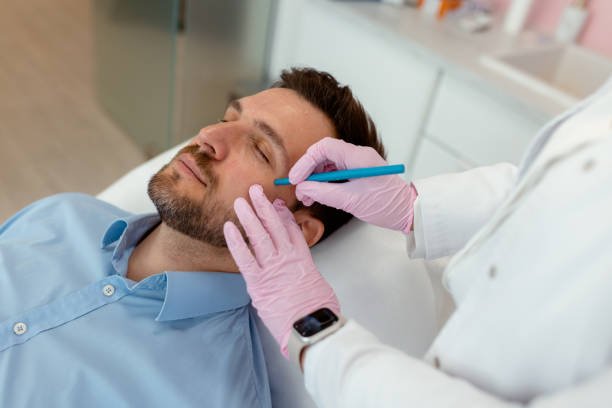
Professional intervention is often preferred over home remedies due to the precision and speed of the results. Various methods exist to neutralize the viral tissue, each with its own specific procedural and recovery timeline.
Cryotherapy: The Freezing Method
Cryotherapy is one of the most common and rapid methods used in clinical settings. It involves the application of liquid nitrogen at extremely low temperatures to the affected area.
- Session Duration: The actual application of the cooling agent usually takes only 10 to 20 seconds per wart.
- Process: The cold temperature creates a controlled blister under and around the viral growth.
- Recovery Timeline: Over the next 4 to 7 days, the blister dries into a scab and naturally falls off.
- Total Cycles: Depending on the depth of the lesion, some individuals may require 2 to 4 sessions spaced a few weeks apart to ensure the virus is completely eradicated.
Laser Removal Technology
Laser therapy is considered a highly advanced option for those seeking precision, especially for warts that have resisted other treatments.
- Session Duration: A typical laser session lasts approximately 15 to 30 minutes depending on the number of areas being treated.
- Process: A focused beam of light energy targets the blood vessels supplying the wart, effectively “starving” the tissue until it dies.
- Recovery Timeline: The treated area typically heals within 1 to 2 weeks.
- Total Cycles: While many see results after one visit, deep-rooted or clustered growths might necessitate a follow-up session after a month.
Electrosurgery and Curettage
This method involves using a specialized tool that delivers a gentle electric current to dry out the tissue, followed by a careful scraping process.
- Session Duration: The procedure is relatively quick, often completed within 20 minutes.
- Process: The electrical energy cauterizes the viral cells, which are then physically removed by the specialist.
- Recovery Timeline: Because this is a more physical removal, the skin may take 2 to 3 weeks to heal completely.
- Total Cycles: This is often a definitive “one-and-done” procedure for individual warts.
Factors Influencing the Treatment Timeline
While the technology used is the primary driver of speed, several biological and environmental factors play a role in how long the entire process takes.
1. The Location and Size of the Growth
Warts located on the soles of the feet (plantar warts) or under fingernails are often thicker and more resilient. These areas have tougher skin and higher pressure, which can prolong the treatment time or require more intensive sessions compared to flat warts on the face or arms.
2. The Number of Lesions
Treating a single, isolated growth is significantly faster than addressing a cluster or “mosaic” of warts. When multiple lesions are present, specialists may choose to treat them in stages to allow the skin’s immune system to focus on healing specific areas at a time.
3. Individual Immune Response
Since warts are viral in nature, your body’s immune system does the “heavy lifting” after the professional procedure. Individuals with robust immune responses typically see faster healing and lower rates of recurrence.
What to Expect During the Healing Phase
After the procedure, the skin undergoes a transformation. Understanding this phase helps manage expectations regarding the “total time” to see clear skin.
Initial 24–48 Hours
Immediately following the session, you might notice slight redness or the formation of a small blister. This is a sign that the treatment has successfully triggered the body’s inflammatory response to clear the viral cells.
The One-Week Mark
By the end of the first week, most professional treatments will have caused the wart to darken or form a scab. It is vital not to pick at this area; let it detach naturally to ensure the underlying skin is healthy and smooth.
Long-term Results
Final results—where the skin texture returns to its original state—are usually visible within 3 to 4 weeks. In some cases, the skin might appear slightly lighter or darker initially, but this typically evens out over the following months.
Summary of Treatment Durations
| Treatment Method | Time per Session | Time for Tissue to Fall Off | Average Sessions Needed |
| Cryotherapy | 15 Mins | 5–7 Days | 2–4 |
| Laser Therapy | 20–30 Mins | 7–14 Days | 1–2 |
| Electrosurgery | 20 Mins | Immediate/Scabbing | 1 |
| Chemical Peels | 15 Mins | Weeks (gradual) | 5+ |
Professional Standards at Enfield Royal Clinic Abu Dhabi
For those seeking expert care, Enfield Royal Clinic Abu Dhabi serves as a leading reference for dermatological procedures. Their approach prioritizes modern diagnostic tools to determine the most efficient treatment path for each unique case, ensuring that the time spent in the clinic translates to lasting, clear results.
Brief Points on the Treatment Process:
- Diagnosis: Accurate identification of the wart type ensures the fastest-acting method is chosen.
- Procedure: Most sessions are outpatient and completed within a lunch break.
- Healing: Post-procedure care is focused on protecting the area to speed up natural shedding.
- Follow-up: Periodic checks ensure no viral remnants remain, preventing future regrowth.
Frequently Asked Questions
1. Can I return to work immediately after the procedure?
Yes, most professional methods are non-invasive or minimally invasive, allowing you to resume your daily activities immediately. There is generally no “downtime” required, although protective bandages may be used for a day or two.
2. Is one session always enough to remove a wart?
Not always. While some methods like electrosurgery are often successful in one visit, others like cryotherapy or laser may require a few sessions to ensure the virus is neutralized at its deepest layer.
3. How do I know if the treatment is working?
You will typically see the wart change color (turning grey or black) and eventually form a scab. This indicates that the blood supply to the viral tissue has been cut off and the dead cells are ready to shed.
4. Does the treatment prevent warts from coming back?
Professional treatments are highly effective at removing existing warts; however, because the cause is viral, it is important to follow post-care instructions and maintain skin hygiene to prevent new infections in different areas.














Leave a Reply