

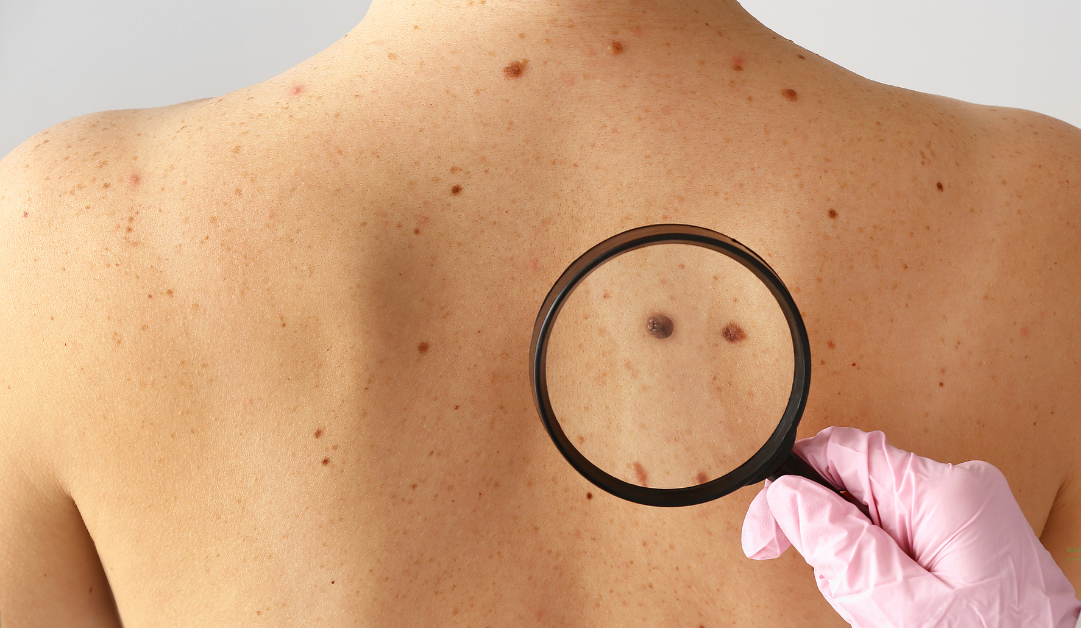
Every individual has unique skin markers, and while most moles are harmless, many people choose to have them removed for aesthetic or comfort-related reasons. A primary concern for anyone considering this procedure is whether they will be left with a permanent mark. While the goal is always a smooth, clear complexion, the reality of skin healing involves several factors. Understanding the nuances of Mole Removal in Abu Dhabi can help you set realistic expectations and take the necessary steps to ensure the best possible outcome for your skin.
Understanding the Relationship Between Skin Healing and Mole Removal
When a mole is removed, the skin must undergo a natural repair process. Since a mole often involves multiple layers of the skin, removing it essentially creates a small wound that the body must “knit” back together. The extent of any resulting mark depends heavily on the technique used, the depth of the mole, and how the body’s internal repair system responds during the weeks following the procedure.
The Biological Process of Scarring
- Scarring is the body’s natural way of replacing lost or damaged skin.
- The appearance of a scar is determined by how much collagen the body produces during the healing phase.
- Initial redness is a normal part of the inflammatory response and does not always indicate a permanent scar.
- Most post-procedure marks undergo a “maturation” phase where they fade and flatten over several months.
Different Techniques and Their Impact on the Skin
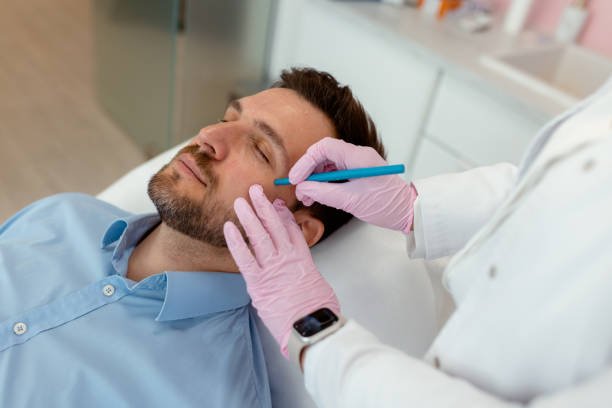
The method chosen for removal plays a significant role in the final appearance of the skin. Professionals typically select a technique based on the mole’s size, its location, and whether it is raised or flat.
Surface Shaving vs. Deep Excision
- Shave removal is often used for raised moles; it involves taking off the top layers of the skin, which usually results in minimal, often unnoticeable marks.
- Surgical excision is used for deeper moles and involves closing the skin with fine sutures, which may leave a thin, linear mark.
- Laser techniques use concentrated light to break down pigment, often resulting in the least amount of disruption to the surrounding tissue.
- Cryotherapy freezes the tissue, which then sloughs off, typically leaving a small area of lighter skin that blends in over time.
Factors That Influence How Your Skin Recovers
No two people heal in exactly the same way. Genetics, age, and even the location of the mole on your body can influence whether a mark remains visible or disappears entirely.
The Role of Genetics and Age
- Younger skin tends to heal faster, though it can sometimes produce an overabundance of collagen, leading to more prominent marks.
- Older skin may take longer to heal but often results in less noticeable scarring because the skin is less “reactive.”
- Individuals with a history of keloids or hypertrophic scarring are more likely to see a raised mark after any skin procedure.
- Skin tone can also play a part, as darker skin may experience hyperpigmentation (darkening) or hypopigmentation (lightening) at the site.
The Importance of Body Location
- Areas with high skin tension, like the shoulders or back, are more prone to wider scars.
- The face has an excellent blood supply, which generally promotes faster and more “seamless” healing compared to the lower limbs.
- Moles located in natural skin folds or “tension lines” can often be removed with marks that are easily hidden within the skin’s natural texture.
The Stages of Post-Removal Recovery
Healing is not an overnight event; it is a journey that spans several months. Knowing what to expect at each stage can prevent unnecessary worry.
The First Two Weeks
- The immediate area will likely be pink or red as the body sends blood to the site to facilitate repair.
- A small scab may form; this is a protective barrier that should never be picked or disturbed.
- New skin begins to form underneath the surface, which is often very delicate and sensitive.
The Long-Term Maturation Phase
- Between three to six months, the initial redness usually begins to fade into a light pink or white color.
- The texture of the area will gradually soften as the collagen fibers reorganize themselves.
- In many cases, by the one-year mark, the site becomes nearly indistinguishable from the surrounding skin.
Proactive Steps to Minimize Post-Procedure Marks
While the technician’s skill is paramount, a significant portion of the final result depends on how you care for the area at home. Consistent aftercare is the most effective way to ensure the skin heals smoothly.
Keeping the Site Protected
- Moisture is key; keeping the area hydrated with recommended ointments prevents hard scabbing, which can lead to deeper marks.
- Sun protection is non-negotiable, as UV rays can cause the healing tissue to darken permanently.
- Avoid stretching or pulling the skin around the site, as tension can cause a healing wound to widen.
Advanced Care Options
- Silicone gels or sheets are often recommended once the wound has closed to flatten and soften the area.
- Massaging the site (once fully healed) can help break down excess collagen and improve flexibility.
- Maintaining a diet rich in vitamins C and E supports the body’s ability to produce healthy new skin cells.
Setting Realistic Expectations
It is important to remember that the goal of mole removal is often to exchange a prominent, raised, or dark growth for a much less noticeable, flat mark. In many instances, especially with modern laser or shave techniques, the “scar” is so faint that it requires close inspection to see.
Cosmetic vs. Medical Outcomes
- For cosmetic removals, the focus is on the most “invisible” result possible.
- The location of the mole often dictates the final look; a mole on the nose may heal differently than one on the chest.
- Patience is the most important factor, as the final result won’t be fully visible for several months.
Reference Clinic: Enfield Royal Clinic Abu Dhabi
For those seeking professional guidance and advanced removal techniques, Enfield Royal Clinic Abu Dhabi serves as a specialized reference point. Consulting with experienced practitioners ensures that the most appropriate method is selected for your specific skin type and mole characteristics, significantly reducing the likelihood of prominent post-procedure marks.
Frequently Asked Questions
1. Does the size of the mole determine the size of the scar?
Generally, yes. Larger or deeper moles require more significant intervention, which can lead to a more noticeable mark. However, using precise techniques like surgical excision with fine sutures can minimize the footprint left behind.
2. Can I use makeup to cover the area while it heals?
It is vital to wait until the skin has completely closed and any scabbing has naturally fallen off before applying makeup. Applying cosmetics too early can introduce bacteria or irritate the delicate new skin.
3. How long should I keep the area covered?
Usually, the area should remain covered for the first few days to protect it from contaminants. Once the initial healing phase is over, your practitioner may suggest keeping it uncovered but protected by a high-SPF sunscreen.
4. Is it possible for a mole to grow back after removal?
If a mole is removed via shaving and some cells are left deep in the dermis, there is a small chance it could reappear. Surgical excision, which removes the “root” of the mole, has the lowest rate of recurrence.















Leave a Reply