Understanding Thoracic Cancers: Types, Symptoms, and Risks
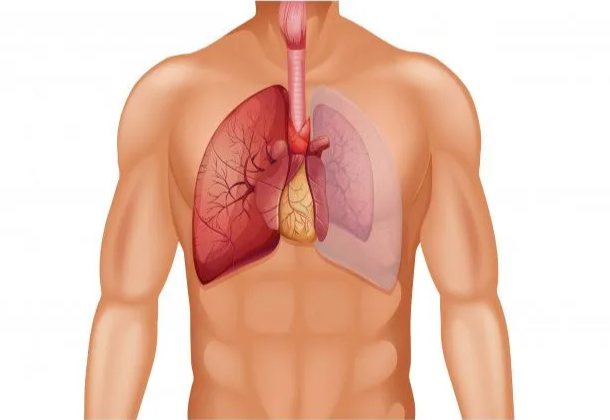
Thoracic Cancers
Changes in breathing, swallowing, or chest discomfort are often linked to common health issues. In some cases, they may also point to more serious conditions like thoracic cancers. These cancers develop in organs in the chest and can affect daily functioning in various ways. Because the early signs can be mild or resemble other conditions, they are sometimes overlooked or ignored.
Being aware of Thoracic Cancers and their symptoms can help patients seek timely medical advice and explore suitable treatment for Thoracic Cancer if needed. Noticing these signs early can support better care and improve outcomes over time. In the following sections, we will look at the different types of Thoracic Cancers, along with their symptoms and associated risks.
What Are Thoracic Cancers?
Thoracic Cancers develop in the organs located within the chest cavity, including the lungs, oesophagus, thymus, pleura, and nearby lymph nodes. These organs play an important role in breathing, swallowing, and circulation, so any abnormal growth in these areas can affect how the body functions.
These cancers begin when cells grow uncontrollably and form tumours. Depending on where they develop, they can lead to symptoms related to breathing or digestion. Identifying the condition early helps doctors decide on the most suitable treatment for Thoracic Cancer and manage it more effectively.
Symptoms of Thoracic Cancers
Symptoms can vary depending on the type and stage of the cancer. In many cases, they may appear mild at first and resemble common illnesses, making them easy to ignore.
Common symptoms include:
- Persistent cough that does not go away
- Chest pain, especially while breathing or coughing
- Shortness of breath during routine activities
- Hoarseness or voice changes
- Difficulty swallowing
- Unexplained weight loss and fatigue
Some people may also notice swelling in the neck or face, or pain in the shoulders. If these symptoms continue or feel unusual, it is important to seek medical advice.
Types of Thoracic Cancers
Several types of cancer can develop in the chest region, each affecting different organs and presenting different symptoms.
Lung Cancer
Lung cancer is one of the most common types of Thoracic Cancer. It develops when abnormal cells grow in the lungs, forming tumours. There are two main types:
- Non-small cell lung cancer (NSCLC), which is more common
- Small cell lung cancer (SCLC), which tends to grow more quickly
These tumours can affect airflow and may cause symptoms such as a persistent cough, chest pain, or difficulty breathing.
Oesophageal Cancer
Oesophageal cancer affects the tube that carries food from the throat to the stomach. It can make swallowing difficult as the tumour grows and narrows the passage.
Common types include:
- Squamous cell carcinoma
- Adenocarcinoma
People may first notice difficulty swallowing solid foods, which may gradually worsen over time.
Mediastinal Tumours
The mediastinum is the central area between the lungs and contains important structures such as the thymus, nerves, and lymph nodes. This may lead to symptoms like chest discomfort, voice changes, or a feeling of pressure in the chest. In some cases, people may also notice difficulty breathing or a persistent cough. If these symptoms continue or feel unusual, it is important to seek medical advice for further evaluation.
Pleural Mesothelioma
Pleural mesothelioma develops in the lining around the lungs, known as the pleura. It is often linked to long-term exposure to asbestos. This condition can cause fluid build-up around the lungs, leading to breathlessness, chest pain, and ongoing fatigue. Some people may also experience a persistent cough or unexplained weight loss.
Risk Factors Associated With Thoracic Cancers
Certain lifestyle and environmental factors can increase the risk of developing Thoracic Cancers. Being aware of these can help in taking timely precautions.
- Tobacco exposure: Smoking is one of the leading causes of lung cancer and can damage lung tissue over time.
- Second-hand smoke: Regular exposure can also increase risk, even in non-smokers.
- Industrial chemicals: Substances like asbestos and heavy metals may affect lung and chest health.
- Air pollution: Long-term exposure to polluted air can impact respiratory health.
- Family history: Genetic factors may increase the likelihood of certain cancers.
Being aware of these risks can encourage regular check-ups and help in identifying symptoms early.
When to Seek Medical Advice
It is important not to ignore symptoms that feel unusual or continue over time. Signs such as a persistent cough, chest discomfort, difficulty breathing, or trouble swallowing may seem mild at first but can become more noticeable if left unchecked. Paying attention to these changes can help in recognising when medical advice is needed. Seeking help early allows doctors to identify the cause and guide the next steps, and consulting experienced healthcare providers at BLK-Max Super Speciality Hospital can support timely evaluation and care. In many cases, symptoms may be linked to less serious conditions, but it is always better to have them assessed.
Conclusion
Thoracic Cancers can affect different organs within the chest and may show symptoms that are easy to overlook in the early stages. Changes such as ongoing cough, chest discomfort, or difficulty swallowing should not be ignored, especially if they persist over time.
Being mindful of these signs and aware of possible risk factors can help in taking timely action. Seeking medical advice when something feels unusual allows for early evaluation and better care planning. Starting the right treatment for Thoracic Cancer at the right time can improve outcomes and support overall well-being.
About The Author