

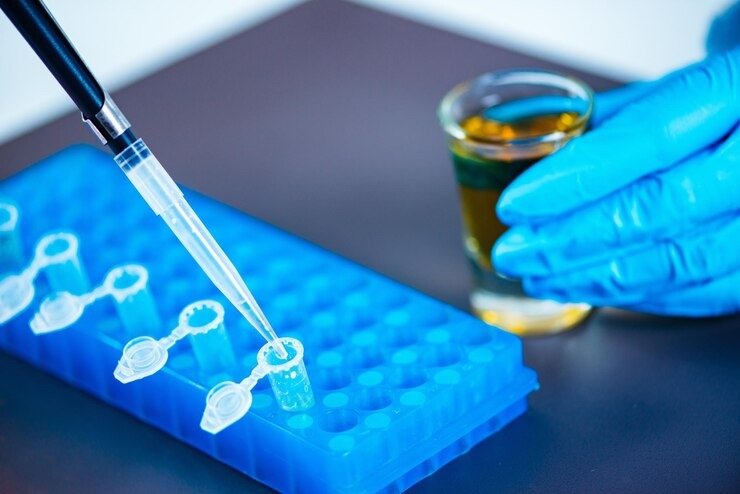
When you work with proteins in research, diagnostics, or pharmaceutical development, sample precision is everything. Even a small variation in protein concentration can distort your experimental results, affect reproducibility, and lead to misleading conclusions. That is why many researchers rely on Protein Concentration SDS PAGE as a reliable analytical approach to evaluate protein samples accurately. By separating proteins according to molecular weight while visualizing concentration levels, this method gives you a clearer understanding of the true composition of your samples.
If you want your experiments to produce dependable results, learning how Protein Concentration SDS PAGE improves sample precision can help you refine your workflow and avoid costly mistakes.
Understanding the Role of SDS PAGE in Protein Analysis
SDS PAGE (Sodium Dodecyl Sulfate Polyacrylamide Gel Electrophoresis) is one of the most widely used techniques for analyzing proteins. When you prepare a protein sample with SDS, the detergent unfolds proteins and coats them with a negative charge. Once placed in a polyacrylamide gel and exposed to an electric field, the proteins migrate according to their molecular weight.
However, beyond simple separation, this technique also provides a practical way to evaluate protein concentration and purity. When bands appear on the gel, their intensity often correlates with the amount of protein present in the sample. This visual comparison allows you to estimate whether your sample concentration is accurate or if adjustments are necessary.
By using advanced methods for accurate protein quantification through Protein Concentration SDS PAGE analysis, researchers can detect subtle differences in protein levels that standard concentration assays may miss.
Why Sample Precision Matters in Protein Research
When you work with protein samples, precision directly affects the credibility of your data. If the concentration is inaccurate, several issues can arise:
- Incorrect enzyme activity measurements
- Misinterpretation of protein expression levels
- Poor reproducibility between experiments
- Reduced reliability in downstream techniques such as Western blotting
By incorporating Protein Concentration SDS PAGE, you gain an additional validation step that helps confirm whether the amount of protein loaded into the experiment matches the intended concentration.
Visual Confirmation Improves Analytical Accuracy
One of the most powerful advantages of SDS PAGE is its ability to provide visual confirmation of protein content. Instead of relying solely on spectrophotometric readings, you can observe the actual distribution of proteins in your sample.
When you run multiple samples side by side with known standards, you can easily compare band intensity and determine whether your sample concentration falls within the expected range. If the bands appear too faint or overly dense, it indicates that the concentration needs adjustment.
This approach allows you to improve accuracy before continuing with further experiments.
For example, many laboratories use advanced laboratory methods for precise protein quantification using Protein Concentration SDS PAGE analysis services to confirm the quality of protein preparations prior to critical experiments.
Detecting Hidden Sample Variability
Even when protein concentration seems correct on paper, hidden variations may still exist in the sample. Contaminants, degraded proteins, or incomplete purification can alter the final protein composition.
Protein Concentration SDS PAGE helps identify these issues quickly. By examining the band pattern in the gel, you can detect:
- Unexpected protein fragments
- Degradation products
- Impurities from purification steps
- Multiple protein forms
When you identify these problems early, you can refine your purification process and maintain better control over sample quality.
Improving Consistency Across Experiments
Reproducibility is a cornerstone of scientific research. If you cannot repeat your results consistently, your conclusions become questionable. One reason reproducibility fails is inconsistent protein concentration between experiments.
Protein Concentration SDS PAGE allows you to standardize sample preparation by verifying protein loading before each experiment. When the same protein amount is used across multiple tests, your data becomes more reliable and easier to compare.
Many research teams adopt laboratory strategies for improving experimental reproducibility with Protein Concentration SDS PAGE techniques to maintain consistency in protein-based studies.
Supporting Downstream Applications
Accurate protein concentration also supports several downstream techniques that depend on precise sample amounts, including:
- Western blot analysis
- Protein interaction studies
- Enzyme activity assays
- Structural biology experiments
- Proteomics investigations
If the concentration is incorrect, the sensitivity of these methods can drop significantly. SDS PAGE verification ensures that each sample contains the appropriate protein level before these advanced analyses begin.
Choosing Professional Protein Analysis Support
Although many laboratories run SDS PAGE internally, professional protein analysis services often provide more advanced instrumentation, optimized staining methods, and expert interpretation of results.
When you work with experienced specialists, you benefit from precise quantification, improved imaging quality, and detailed analysis of protein samples.
If you want expert assistance in evaluating protein concentration and improving experimental precision, you can contact us today for professional protein analysis support and discuss your specific research requirements.
Final Thoughts
Protein research demands accuracy at every stage of experimentation. Small concentration errors can cascade into larger problems that affect your entire study. By incorporating Protein Concentration SDS PAGE into your workflow, you gain a reliable method for verifying sample quality, detecting hidden variations, and improving experimental precision.
Whether you are conducting academic research, pharmaceutical development, or biotechnology analysis, this technique gives you the clarity needed to make confident scientific decisions.
When your protein samples are precise, your data becomes more trustworthy—and your research outcomes become stronger.
FAQ: Protein Concentration SDS PAGE
What is Protein Concentration SDS PAGE used for?
Protein Concentration SDS PAGE is used to separate proteins by molecular weight while also estimating protein concentration based on band intensity. This helps researchers verify sample accuracy and detect impurities.
How does SDS PAGE help improve sample precision?
It provides visual confirmation of protein amounts in a sample. By comparing band intensity with standards, you can determine whether the protein concentration is correct before performing further experiments.
Can SDS PAGE detect protein degradation?
Yes. If degradation occurs, additional lower-molecular-weight bands appear on the gel. This allows researchers to identify sample damage or instability quickly.
Why is accurate protein concentration important?
Accurate protein concentration ensures reliable experimental results, consistent data, and proper performance of downstream techniques like Western blotting and enzyme assays.
Is Protein Concentration SDS PAGE suitable for all protein samples?
Yes, it works for most protein samples, including purified proteins, cell lysates, and biological extracts. However, sample preparation and gel conditions may vary depending on the type of protein being analyzed.






















Leave a Reply