

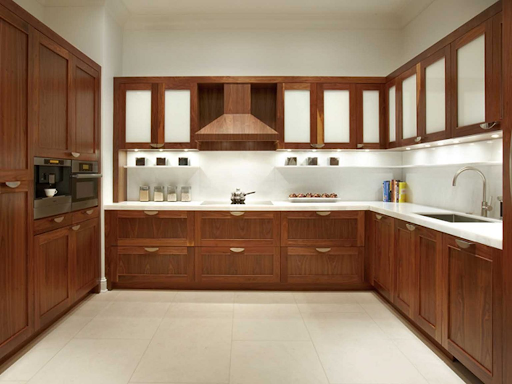
You know that feeling when you’re redoing your kitchen and suddenly realize cabinets cost way more than you expected? Yeah, that moment hits hard. Most people instinctively reach for the budget option totally understandable. But here’s the thing nobody tells you upfront: that “money-saving” decision often turns into the most expensive mistake of the entire renovation.
I’m not talking about sticker shock at the register. I’m talking about what your kitchen looks like seven years later when the doors won’t close right and the shelves are sagging under your cast iron pans. That’s the real cost nobody warns you about.
Here’s a comparison I love. Think about the last time you bought a cheap umbrella. It worked fine for a week, maybe two. Then one windy morning it flipped inside out and you were soaked anyway. Quality cabinets follow that exact same logic spend wisely once, and you won’t be spending again anytime soon.
What Even Makes a Cabinet “Quality”?
Okay, let’s back up a second. Before convincing you to spend more, it’s only fair to explain what you’re actually paying for. Quality doesn’t mean fancy. It means built properly, from the right stuff, with hardware that won’t give up on you.
Start with the material. Solid wood and plywood are the winners here dense, moisture-resistant, and genuinely tough. Particleboard and MDF? They look fine in a showroom. Get them near steam from a boiling pot or humidity from a hot shower though, and things go south pretty quickly. Warping, swelling, crumbling edges not a pretty picture.
Then there’s how the cabinet is actually put together. Dovetail joints, mortise-and-tenon connections these are construction methods that have outlasted empires, honestly. Craftsmen used these techniques centuries ago because they work. And the hardware matters more than people give it credit for. Soft-close hinges, smooth drawer slides — open and close your cabinets a thousand times and you’ll appreciate every single penny spent on good hardware.
The Hidden Costs of Going Cheap
Let’s do a little math together nothing complicated, I promise. Say you save $800 going with the budget cabinet option. Sounds like a win, right? Fast forward 18 months. A hinge cracks. A drawer front peels off. Two shelves start bowing under pressure.
Repair visit number one. Then number two. Then somewhere around year four, you’re pricing out a full replacement because the whole thing just looks embarrassing. Add that up and you’ve spent more than double what quality cabinets would have cost. Contractors even have a phrase for this “buy once, cry once.” Painful truth, but it sticks.
Budget cabinets over a 15-year span almost always end up costing significantly more than their quality counterparts. The upfront savings evaporate fast once the repair bills start rolling in.
Durability That Outlasts Your Expectations
Kitchens are genuinely brutal environments. Heat from the stove, steam from the dishwasher, splashes, spills, humidity swings between seasons your cabinets absorb all of it, every single day. Cheap materials simply aren’t engineered to handle that kind of sustained punishment.
Partnering with a dependable Kitchen Cabinet Supplier changes the game completely. These aren’t just pretty boxes. They’re products put through rigorous testing for moisture resistance, structural load, and long-term wear. The finish holds. The frame stays square. The doors close with a satisfying click five years in, just like they did on day one.
Function First Beauty Comes After
Here’s something the glossy renovation magazines don’t always say loudly enough gorgeous cabinets that don’t work well are just expensive frustration. Function has to come first, and good cabinets absolutely deliver on that front.
Pull-out shelves that bring the back corner to you. Lazy Susans that actually spin smoothly. Soft-close drawers that don’t slam when you’re cooking and slightly annoyed. Dividers that keep your spice rack from becoming a chaotic avalanche. These features aren’t extras they’re the whole point. And honestly? They make cooking feel less like a chore and more like something you actually enjoy.
Families change. Needs shift. Kids grow up, routines evolve, storage requirements completely transform. Quality cabinets flex with all of that. Swap the inserts, change the hardware, reconfigure the layout no need to gut the whole kitchen every time life changes direction.
The Aesthetic Argument Timeless Beats Trendy Every Time
Walk into any home that was renovated in the late 90s with budget cabinetry. You’ll know immediately. That dated oak veneer, the flimsy decorative trim, the finish that’s gone yellowish and dull it screams “renovation project” rather than “well-maintained home.”
Quality cabinets are designed differently. They don’t chase trends. Clean lines, durable finishes, solid construction these things age gracefully rather than awkwardly. Brands like Fabuwood have built a strong reputation precisely because of this philosophy. When you’re browsing fabuwood cabinet sizes, the sheer range is impressive configurations that suit a cozy studio kitchen just as well as a sprawling open-plan family space, all without compromising that consistently sharp aesthetic.
Your Resale Value Will Thank You Later
Real estate agents say it all the time buyers fall in love with kitchens first. It’s the room that closes deals or kills them. A kitchen with solid, well-maintained cabinetry signals something important to buyers: this home was cared for. That confidence reflects directly in their offer.
Tired, beaten-up cabinets tell a completely different story. They become a negotiating weapon buyers use to justify lowballing the price. Every dollar you didn’t spend on quality cabinetry could cost you two dollars at the negotiating table when selling time comes around.
The Health Angle Nobody Talks About Enough
This part genuinely surprises most homeowners. A lot of low-cost cabinet materials off-gas VOCs volatile organic compounds steadily into your home’s air. Long-term exposure isn’t something you want for your family, especially in an enclosed kitchen space where you spend real time every day.
Quality cabinets often carry certifications CARB compliance, GREENGUARD certification that verify independent testing for safe indoor air quality. You’re not just buying something that looks better. You’re buying something that’s actually better for the people living inside your home.
Sustainability matters here too. A cabinet that holds up for 30 years creates far less waste than replacing a cheap one every decade. Fewer replacements mean less manufacturing, less landfill, less environmental cost overall. Quality as a lifestyle choice, not just a financial one.
How to Actually Shop for Quality Without Getting Burned
Shopping for cabinets can feel overwhelming showrooms are big, salespeople are enthusiastic, and the options are genuinely endless. Here’s how to cut through all of that noise.
First question to always ask: what is the cabinet box made from? Plywood every time over particleboard. Non-negotiable. Second thing physically test the drawers and hinges in the showroom. They should feel solid and glide without resistance. Anything wobbly or stiff is a red flag worth noting.
A trustworthy Kitchen Cabinet Supplier won’t just sell you something they’ll ask about your space, your usage habits, and your long-term goals before making a single recommendation. Warranties are another telling sign. Solid brands back their product with 5-year to lifetime coverage. When you take the time to explore fabuwood cabinet sizes and styles, you realize just how much variety exists within a single quality-focused brand enough to suit practically any kitchen layout or design vision you have in mind.
Conclusion
Here’s the mindset shift that changes everything. Cabinets aren’t a purchase they’re an investment with a measurable return. Every year they perform flawlessly, every compliment your kitchen earns, every dollar added to your home’s resale value that’s your return showing up in real life.
So next time the budget option is staring you down from the showroom floor, pause for a second. Ask yourself what you’re really buying. Is it savings today, or is it headaches tomorrow? The math almost always comes out the same way.



















Leave a Reply