

Personal loans have become increasingly popular as a solution to address financial needs, ranging from consolidating debt to funding major life events. A key factor to consider when choosing the right personal loan is understanding the personal loan interest rates. These rates ultimately determine how much money you will repay over the life of the loan.
This comprehensive guide explains how personal loan interest rates are calculated, the factors affecting them, types of interest rates, and tips for finding favorable rates.
What Are Personal Loan Interest Rates?
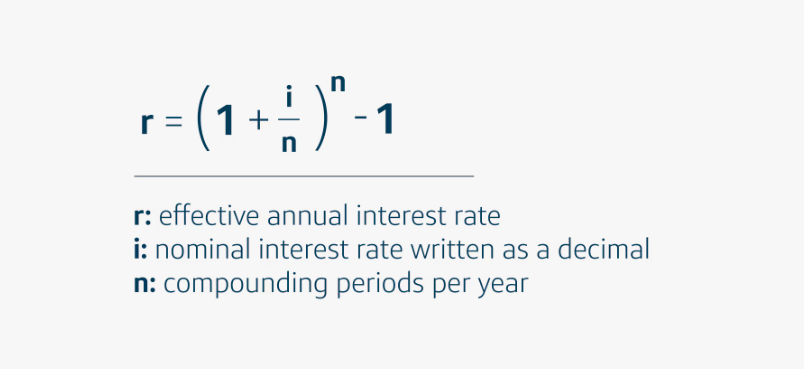
When borrowing a personal loan, the lender charges a percentage of your loan amount, known as the interest rate. The interest rate is essentially the cost of borrowing money, and it is expressed as a percentage of the loan amount annually (commonly referred to as annual percentage rate, or APR).
Personal loan interest rates vary widely based on several factors, such as your creditworthiness, loan term, and type of lender. The lower the interest rate, the less you pay in interest over the life of the loan.
How Do Personal Loan Interest Rates Work?
Personal loan interest rates determine how much you will pay the lender in exchange for borrowing money. For example, if your loan amount is $10,000 and your interest rate is 10%, then you will pay $1,000 in interest annually. If the loan term is one year, the total amount to repay would be approximately $11,000 (including principal and interest).
Interest rates may be fixed or variable:
- Fixed Interest Rate: Does not change during the loan term. This type is ideal for borrowers who want predictable monthly payments without worrying about changes in the market.
- Variable Interest Rate: Fluctuates based on market conditions or the lender’s metric (such as the prime rate). This can result in lower rates initially but may increase over time.
Factors Affecting Personal Loan Interest Rates
When applying for personal loans, you’ll notice that interest rates can differ drastically depending on individual circumstances. Here are key factors lenders use to determine your interest rate:
1. Credit Score
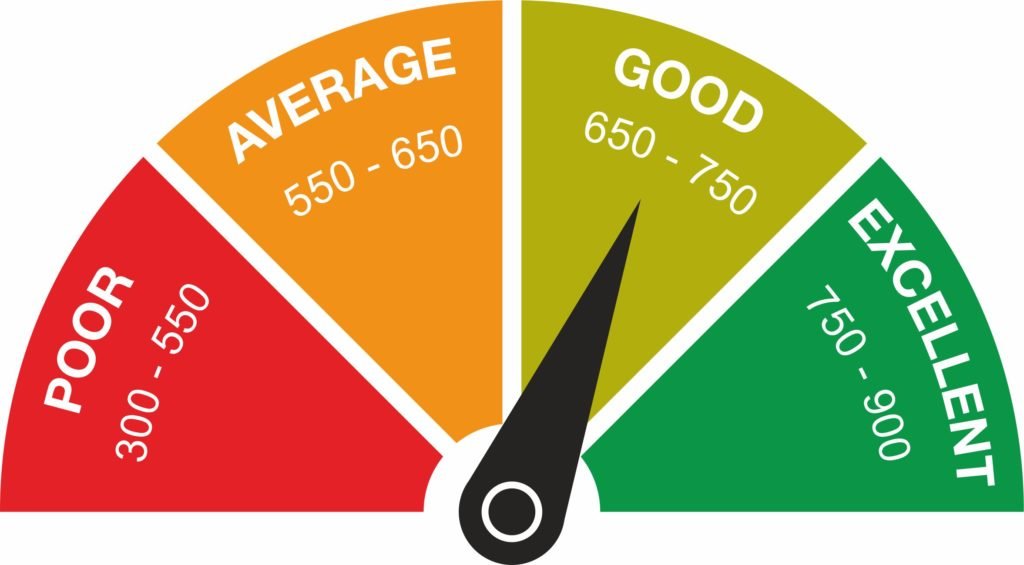
Your credit score is one of the most critical factors influencing personal loan interest rates. A higher credit score demonstrates to lenders that you are financially responsible and likely to repay the loan on time. Borrowers with excellent credit (usually above 700) typically qualify for lower interest rates, while those with poor credit (below 600) may face higher rates.
2. Loan Amount
The size of the loan also impacts the interest rate. Larger loans may have lower interest rates as lenders can spread the risk over a longer period. However, larger loan amounts also require you to meet stricter eligibility criteria.
3. Loan Term
The duration of the loan is another factor to consider. Short-term loans may come with higher monthly payments but typically have lower interest rates. On the other hand, long-term loans spread repayment over more years, leading to higher cumulative interest payments.
4. Debt-to-Income Ratio (DTI)
Your DTI compares your monthly debt obligations to your monthly income. Lenders prefer borrowers with a lower DTI, as they are considered less risky. A high DTI may result in higher personal loan interest rates.
5. Type of Lender
The lender you choose can also affect the interest rate. Traditional banks may offer competitive rates to borrowers with excellent credit, while online lenders tend to cater to those with average or poor credit. Payday lenders often charge exorbitantly high rates, which should be avoided.
Average Personal Loan Interest Rates
As of 2023, here are the average interest rates for personal loans based on credit score brackets:
Excellent Credit (720–850): 5%–10%
Good Credit (690–719): 10%–15%
Fair Credit (630–689): 15%–20%
Poor Credit (300–629): 20%–36%
Tips for Finding Low Personal Loan Interest Rates
Managing your personal loan interest rates is crucial to saving money and repaying your loan effectively. Here are practical steps to secure lower rates:
1. Improve Your Credit Score
Pay off outstanding debt, make payments on time, and limit new credit applications to boost your credit score.
2. Shop Around
Compare offers from banks, credit unions, and online lenders. Each lender may use different criteria, and shopping around often results in better offers.
3. Apply for Prequalification
Many lenders allow you to prequalify for a loan, showing estimated rates without impacting your credit score. Use this to review multiple lenders before finalizing.
4. Consider a Co-signer
If your credit score is low, applying with a co-signer can help you qualify for lower interest rates. A co-signer agrees to repay the loan if you default.
5. Opt for Shorter Loan Terms
Though monthly payments will be higher, shorter terms may come with lower interest rates, saving you money in the long run.
Conclusion
Understanding personal loan interest rates is essential for making informed borrowing decisions. Whether you’re looking to consolidate debt, finance a personal project, or cover emergency expenses, thorough research and smart planning will help you secure favorable rates. Always compare different lenders, improve your creditworthiness, and shop around for the best terms.
Ultimately, the right personal loan comes down to effectively balancing affordability with your financial goals.
By educating yourself and considering the tips outlined in this guide, you’ll be well-equipped to choose a loan with competitive interest rates, saving money for years to come.

















Leave a Reply