

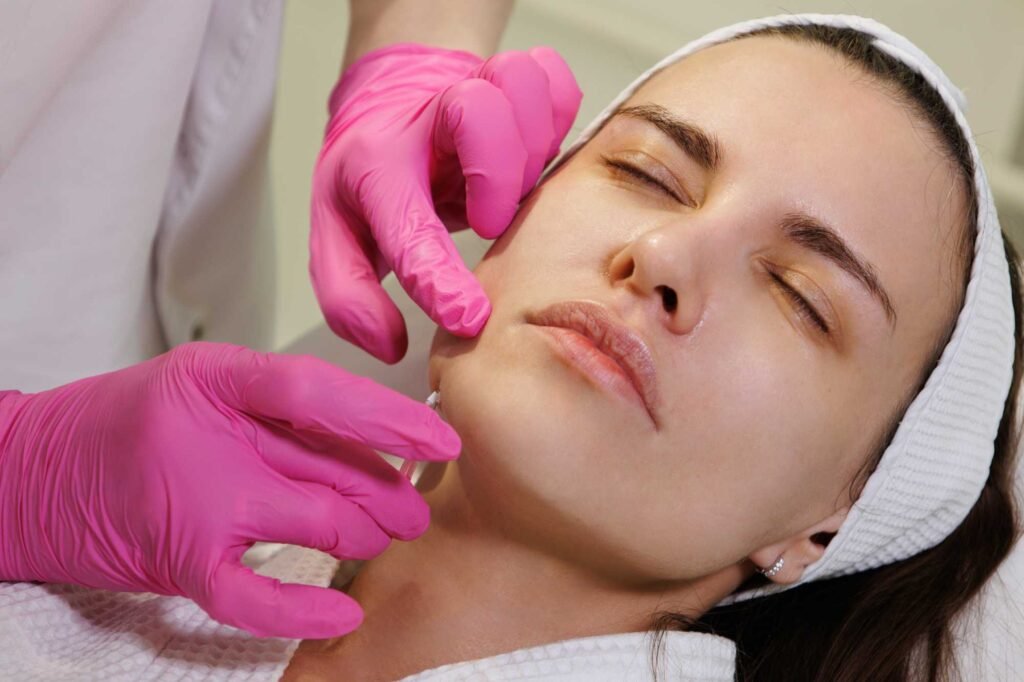
In the ever-evolving world of aesthetic medicine, the quest for youthful, firm skin has led to the development of several sophisticated non-surgical interventions. Among these, the use of absorbable sutures to lift and contour facial features has emerged as a frontrunner for those seeking subtle yet effective results.
A common question for many individuals considering the Thread Lift Treatment Abu Dhabi is whether the procedure does more than just mechanically pull the skin. While the immediate visible “lift” is the primary draw, the long-term biological impact—specifically the stimulation of natural collagen—is what truly defines the success and longevity of the treatment.
Understanding the Biological Mechanism of Thread Lifting
To understand if this treatment boosts collagen, one must first look at how the body responds to the presence of medical-grade threads. Instead, they act as a catalyst for a sophisticated internal repair process.
The Controlled Healing Response
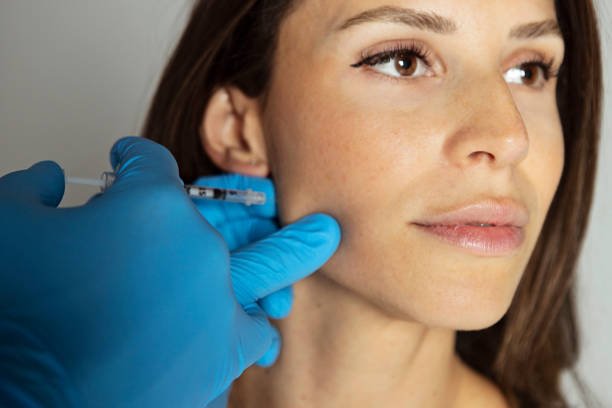
The insertion of threads creates what specialists refer to as “controlled micro-injuries.” The body’s innate immune system identifies the threads as foreign objects, which triggers a localized healing cascade. This response is not harmful; rather, it is a productive biological reaction that recruits fibroblasts—the “architects” of our skin—to the area.
Fibroblast Activation and Synthesis
Fibroblasts are the specific cells responsible for synthesizing extracellular matrix components, primarily collagen and elastin. Once activated by the presence of the threads, these cells begin to deposit new collagen fibers along the path of the sutures. This process effectively creates a natural “scaffold” that remains even after the original threads have been safely absorbed by the body.
- Mechanical Lift: The threads provide an instant physical elevation of sagging tissues.
- Biological Rejuvenation: The body replaces the thread material with a dense network of fresh collagen.
- Structural Support: This new collagen reinforces the skin’s architecture, leading to improved thickness and elasticity.
The Role of Different Thread Materials in Collagen Production
Not all threads are created equal, and the intensity of the collagen boost often depends on the material used. Modern aesthetics primarily utilizes three types of biocompatible polymers: Polydioxanone (PDO), Poly-L-Lactic Acid (PLLA), and Polycaprolactone (PCL).
Polydioxanone (PDO) Threads
PDO threads are perhaps the most widely recognized. They are highly effective at stimulating Type I and Type III collagen. As these threads dissolve over a period of six to nine months, they leave behind a rejuvenated dermis that appears smoother and more “vital.”
Poly-L-Lactic Acid (PLLA) Threads
PLLA is a well-known collagen stimulator often used in other injectable treatments. In thread form, it acts as a more potent trigger for collagen synthesis. The results from PLLA threads tend to develop more gradually but can offer a more robust structural improvement over a longer duration.
Polycaprolactone (PCL) Threads
PCL is the latest generation of thread material. It has a slower degradation rate, meaning it stays in the tissue longer. This prolonged presence provides a steady, long-term stimulus for collagen and elastin production, often leading to results that are noted for their durability and natural feel.
Beyond the Lift: Long-Term Benefits for Skin Texture
While the word “lift” implies a change in position, the collagen-boosting aspect of the treatment addresses the quality of the skin. This distinction is crucial for those who are not just concerned with sagging, but also with the thinning that occurs with age.
Improvement in Skin Density
As we age, the dermis naturally loses its thickness. By inducing neocollagenesis (the formation of new collagen), thread treatments help to “re-densify” the skin. This makes the skin more resilient to fine lines and wrinkles caused by facial expressions or environmental stressors.
Enhancement of Elasticity and Hydration
Collagen rarely works alone; it is often accompanied by an increase in elastin and natural hyaluronic acid production during the healing phase. This trifecta results in skin that doesn’t just look tighter, but also feels more hydrated and “bouncy.”
- Refined Texture: The new collagen helps smooth out surface irregularities and enlarged pores.
- Youthful Glow: Increased blood flow to the treated area during the healing process improves skin radiance.
- Preventative Care: For younger patients, the collagen boost can act as a “pre-juvenation” step, slowing down the visible signs of future aging.
Integrating Modern Techniques for Optimal Results
For those looking for a comprehensive approach to facial harmony, specialists often recommend viewing thread lifting as a foundational step. By strengthening the skin’s internal framework through collagen stimulation, the results of other complementary treatments can be enhanced.
Synergistic Effects
When the skin is firm and well-supported by a healthy collagen matrix, it provides a better “canvas” for other aesthetic applications. For instance, the improved skin quality can make the results of topical skincare more apparent, as the underlying tissue is more receptive to rejuvenation.
Maintaining the Collagen Matrix
The longevity of the collagen boost is influenced by lifestyle factors. Maintaining a healthy diet rich in Vitamin C (a precursor to collagen), staying hydrated, and protecting the skin from UV damage are essential for preserving the new structural proteins formed after the treatment.
Reference Clinic: Enfield Royal Clinic Abu Dhabi
For residents in the UAE seeking professional guidance on these advanced procedures, the Enfield Royal Clinic Abu Dhabi stands as a prominent reference. Their approach emphasizes the importance of understanding the biological benefits of the treatment alongside the aesthetic outcome.
Frequently Asked Questions
1. How long does it take for the collagen-boosting effects to become visible?
While the mechanical lift is immediate, the collagen-related improvements usually begin to surface between 4 to 8 weeks after the procedure. The skin continues to improve in texture and firmness for several months as the collagen matrix matures.
2. Will the skin sag more once the threads dissolve?
No. In fact, the opposite is true. Because the threads stimulate the production of a natural collagen scaffold, the skin is often in a better, more supported condition after the threads have dissolved than it was before the treatment started.
3. Is the collagen produced by threads the same as “natural” collagen?
Yes. The body produces its own natural Type I and Type III collagen in response to the threads. This is the same protein that gives young skin its strength and structure. The treatment simply “reminds” the skin to produce what it has slowed down producing due to age.
4. Can this treatment be used for skin types that are very thin?
Thread treatments are highly adaptable. For individuals with thinner skin, specific “smooth” or “mono” threads are often used. These are designed primarily for collagen stimulation and skin thickening rather than heavy lifting, making them suitable for delicate areas.















Leave a Reply