

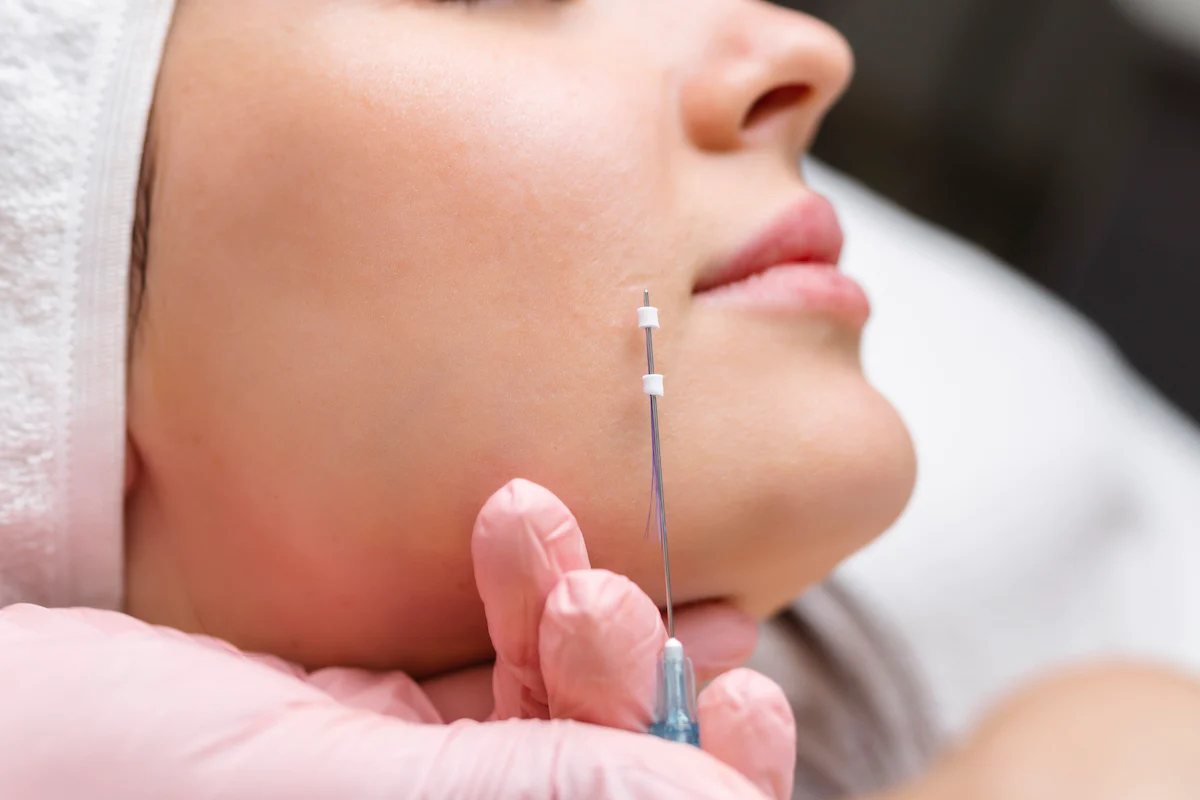
The quest for a youthful appearance has evolved significantly, moving away from invasive surgeries toward sophisticated, minimally invasive solutions. Among these innovations, the rise of absorbable suture technology has transformed how we approach skin laxity and facial contouring. Utilizing medical-grade materials, Thread Lift Treatment Abu Dhabi provides a unique dual-action benefit by mechanically repositioning sagging tissue and triggering the body’s natural regenerative processes. This approach has become a cornerstone of modern aesthetic medicine, offering a bridge for those who seek visible enhancement without the extensive requirements of traditional surgical interventions.
Understanding the Mechanism of Action
The primary effectiveness of a thread-based procedure lies in its sophisticated interaction with the skin’s structural layers. Unlike a traditional facelift, which involves the surgical removal of excess skin, this method uses specialized filaments to create a supportive “scaffold” beneath the dermis.
Mechanical Elevation and Suspension
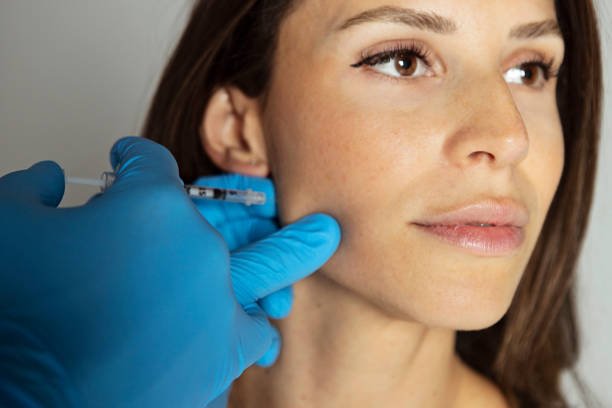
The immediate visible result of the treatment is due to the mechanical lift provided by the threads. These filaments often feature microscopic barbs or cones that anchor into the subcutaneous fat and fascia. Once secured, the practitioner can gently adjust the tension to lift sagging areas such as the jowls or cheeks. This structural repositioning restores the “V-shape” of a youthful face, which often transitions into a more “square” shape as we age due to gravity and volume loss.
Biological Rejuvenation through Neocollagenesis
The second, and perhaps more vital, phase of effectiveness occurs as a biological response. The presence of the threads acts as a foreign body stimulus, which prompts the skin to initiate a healing response. This process, known as neocollagenesis, involves the production of new Type I and Type III collagen around the thread sites. Even after the initial material has been naturally metabolized by the body, this new collagen framework remains, providing long-term firmness and improved skin texture.
The Role of Material Science in Treatment Longevity
The effectiveness of a lift is heavily influenced by the specific type of material used. Different polymers offer varying rates of absorption and degrees of collagen stimulation, allowing for a highly customized approach based on the individual’s skin quality.
Polydioxanone (PDO) Threads
PDO is the most common material used in these procedures. It is a biodegradable synthetic polymer that has been used in cardiac surgery for decades.
- Absorption Rate: Typically dissolves within 6 to 8 months.
- Primary Benefit: Excellent for immediate lifting and subtle skin thickening.
- Result Duration: The effects generally last between 12 to 18 months as the collagen remains after the thread is gone.
Poly-L-Lactic Acid (PLLA) Threads
PLLA is the same material found in certain well-known dermal volumizers. It is highly biocompatible and known for its potent stimulatory effects.
- Absorption Rate: Takes approximately 12 to 18 months to be fully absorbed.
- Primary Benefit: It acts as a significant volumizer, making it ideal for hollowing in the mid-face.
- Result Duration: Can provide a rejuvenated appearance for up to 2 years.
Polycaprolactone (PCL) Threads
PCL represents the latest generation of thread technology. It is a long-lasting, bio-absorbable monofilament.
- Absorption Rate: Slowest degradation, often taking up to 24 months.
- Primary Benefit: Provides sustained collagen and elastin production over a longer period.
- Result Duration: Often yields results that can persist for 2 to 3 years.
Target Areas and Aesthetic Outcomes
The versatility of the treatment allows it to address multiple facial and neck concerns in a single session. Because the threads can be placed at various depths and angles, the practitioner can “sculpt” the face with precision.
Mid-Face and Cheek Enhancement
One of the most requested applications is the lifting of the malar (cheek) area. As we age, the malar fat pads tend to slide downward, contributing to the formation of nasolabial folds (smile lines). By placing threads in a vector that pulls upward toward the temples, the cheeks are restored to a higher, more youthful position, which simultaneously softens the appearance of lines around the mouth.
Jawline Definition and Jowl Reduction
The “jowl” area occurs when skin and fat accumulate along the mandibular line. Targeted threads can be used to pull this tissue back toward the ears, creating a sharper, more chiseled jawline. This is often an excellent alternative for individuals who feel they have “lost” their jawline but are not yet ready for a full neck lift.
Brow Elevation and the “Fox Eye” Look
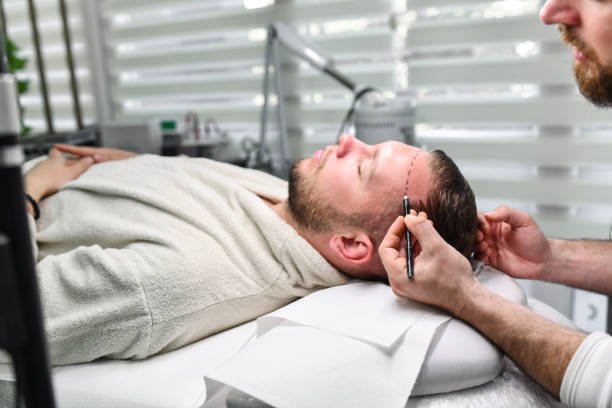
For the upper face, threads can be used to subtly elevate the lateral tail of the eyebrow. This opens up the eye area, reduces the look of heavy lids, and can create the popular “cat-eye” or “fox-eye” aesthetic. This application is particularly effective for younger patients looking for a preventative or stylistic enhancement.
Comparing the Thread Lift to Surgical Alternatives
While both procedures aim to rejuvenate the face, they cater to different needs and stages of aging. Understanding the distinction is crucial for setting realistic expectations.
| Feature | Thread Lift | Surgical Facelift |
| Invasiveness | Minimally Invasive | Highly Invasive |
| Anesthesia | Local Anesthesia | General Anesthesia |
| Recovery Time | 24–48 hours | 2–4 weeks |
| Scars | No visible scarring | Incisions along hairline/ears |
| Result Nature | Subtle & Natural | Dramatic & Corrective |
| Longevity | 1–3 years | 7–15 years |
Why Choose a Non-Surgical Option?
The primary appeal of the thread-based method is the lack of “downtime.” Most individuals can return to their daily routines almost immediately. Additionally, because the procedure does not involve cutting the skin, there is no risk of the “wind-tunnel” or overly tight look sometimes associated with older surgical techniques. It is a “maintenance” procedure that keeps the skin looking refreshed.
Ideal Candidacy and Patient Selection
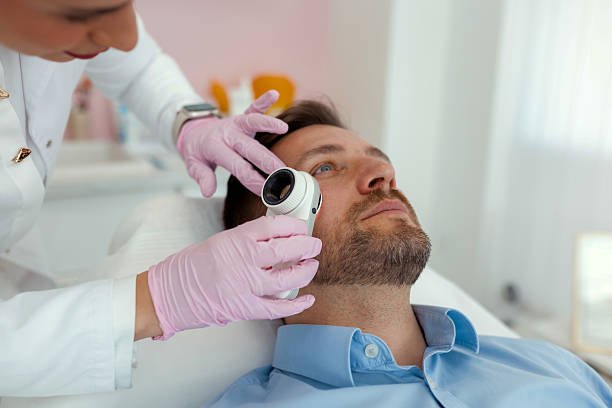
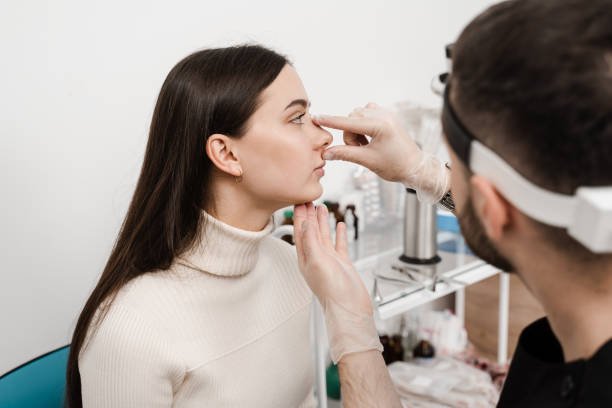
The effectiveness of the treatment is largely dependent on the patient’s existing skin quality and the degree of laxity. A consultation at a reputable facility, such as the Enfield Royal Clinic Abu Dhabi, is essential to determine if this is the right path.
- The Early-Aging Group: Individuals in their late 30s to early 50s usually see the best results. At this stage, the skin still has enough natural elasticity to respond well to the lifting vectors.
- The Surgical Bridge: Older patients who may have medical contraindications for general anesthesia often find this to be a viable alternative to achieve moderate improvement.
- Skin Quality Matters: Patients with very thin, sun-damaged skin or, conversely, very heavy/thick facial tissue may not be the ideal candidates. The threads require a certain amount of healthy subcutaneous fat to anchor effectively.
Post-Treatment Care and Optimization
To maximize the longevity of the results, following proper aftercare is vital. While the procedure is quick, the biological process of collagen building takes time.
- Avoid Excessive Movement: For the first week, it is recommended to limit wide yawning, vigorous laughing, or heavy chewing to prevent the threads from shifting before they have “settled.”
- Sleep Position: Sleeping on the back for the first few days helps avoid putting pressure on the treated areas.
- Sun Protection: UV rays break down collagen. To protect the new collagen being formed by the threads, high-quality SPF is mandatory.
- Complementary Treatments: Many practitioners recommend combining the lift with other modalities like Radiofrequency (RF) or certain injectables to enhance the overall skin quality and volume.
Frequently Asked Questions
How long does it take to see the final results?
While you will notice an immediate mechanical lift right after the procedure, the “final” results typically emerge around 3 to 4 months later. This is the timeframe required for your body to produce a significant amount of new collagen around the threads.
Can the threads be felt under the skin?
When placed correctly in the subcutaneous layer by an experienced professional, the threads should not be visible or palpable. In very thin-skinned areas, a slight sensation might be present for the first few days, but this typically resolves as the threads settle.
Is the procedure repeatable?
Yes. Because the materials used are fully absorbable and the procedure is minimally invasive, it can be repeated every few years to maintain the lifting effect. Many patients use it as a regular part of their long-term anti-aging strategy.
Will I look “fake” or overdone?
One of the hallmarks of a successful thread lift is its subtlety. The goal is to restore your natural contours rather than change your appearance. Most people will notice you look “rested” or “refreshed,” but will not be able to point to a specific surgical change.














Leave a Reply