

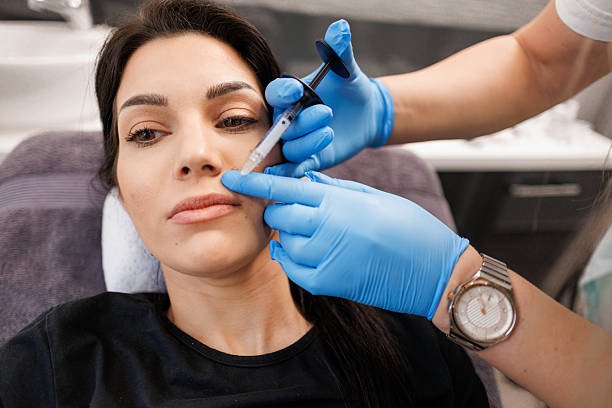
In the world of non-surgical cosmetic treatments, both Dermal Fillers in Abu Dhabi and Botox are widely used to enhance facial aesthetics, yet they work in fundamentally different ways. Many people confuse the two, thinking they serve the same purpose, but understanding the distinctions is key to choosing the right treatment for specific concerns. While both options aim to improve appearance and reduce the signs of aging, their mechanisms, effects, and target areas vary significantly.
What Are Dermal Fillers?
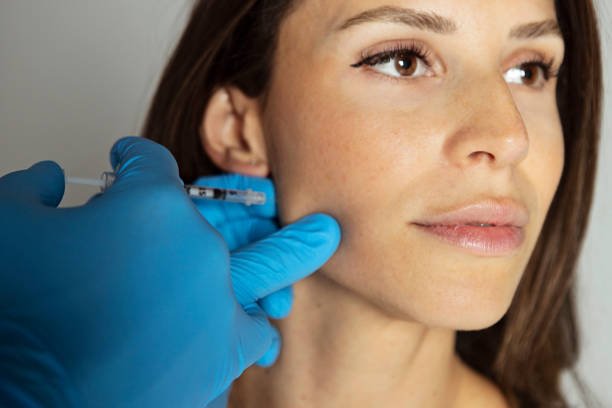
Dermal filler INjections are gel-like substances, most commonly made of hyaluronic acid, which naturally occurs in the body. Their primary function is to restore lost volume, smooth fine lines, and enhance facial contours. Fillers are often used in areas such as the lips, cheeks, under-eyes, jawline, and nasolabial folds to add fullness and create a youthful appearance.
The effects of dermal filler injections are immediate. They work by physically filling in hollows or adding volume to areas that have lost their natural plumpness due to aging or genetics. This makes them ideal for addressing structural concerns and enhancing facial symmetry. Unlike Botox, dermal fillers do not affect muscle movement; instead, they act as a soft tissue replacement to restore shape and contour.
What Is Botox?
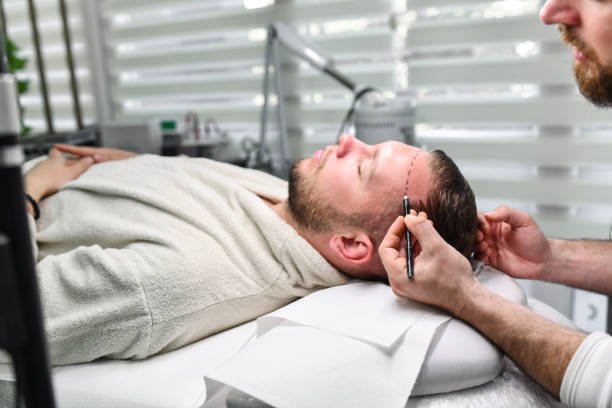
Botox is a neuromodulator derived from botulinum toxin that temporarily relaxes facial muscles. Its primary purpose is to reduce the appearance of dynamic wrinkles, which are caused by repeated facial expressions such as frowning, squinting, or smiling. Common treatment areas include the forehead, crow’s feet around the eyes, and frown lines between the eyebrows.
Botox works by blocking nerve signals to the targeted muscles, preventing them from contracting. This relaxation smooths wrinkles and prevents new lines from forming over time. Unlike dermal fillers, Botox does not add volume or lift areas of the face; it is primarily used for fine lines and expression-related wrinkles.
Key Differences Between Dermal Fillers and Botox
Mechanism of Action
Dermal fillers physically replace lost volume, while Botox relaxes muscles to reduce dynamic wrinkles. This fundamental difference determines the type of concerns each treatment can address.
Areas of Treatment
- Dermal Fillers: Lips, cheeks, under-eyes, jawline, nasolabial folds, chin, and temples.
- Botox: Forehead lines, frown lines, crow’s feet, and other expression-related wrinkles.
Onset of Results
- Dermal Fillers: Effects are usually visible immediately after the procedure, providing instant volume and contour improvement.
- Botox: Results typically appear gradually over 3–7 days as the muscles relax and wrinkles smooth out.
Longevity
- Dermal Fillers: Results can last several months to over a year depending on the type of filler and area treated.
- Botox: Effects generally last 3–6 months, after which follow-up treatments are necessary to maintain results.
Effect on Facial Movement
- Dermal Fillers: Do not restrict facial movement, allowing natural expressions to remain intact.
- Botox: Temporarily reduces muscle activity, which can soften or prevent certain expressions in treated areas.
Complementary Use
Many people use dermal fillers and Botox together to achieve comprehensive facial rejuvenation. While fillers restore volume and contour, Botox smooths dynamic wrinkles, creating a balanced and youthful appearance. For example, combining cheek fillers with Botox on forehead lines can enhance overall harmony and reduce multiple signs of aging simultaneously.
Choosing the Right Treatment
The choice between dermal fillers and Botox depends on the specific concerns and desired outcomes:
- Use dermal fillers if the goal is to restore volume, lift sagging areas, enhance lips, or smooth static wrinkles.
- Use Botox to reduce dynamic wrinkles caused by muscle movement and prevent the formation of new lines.
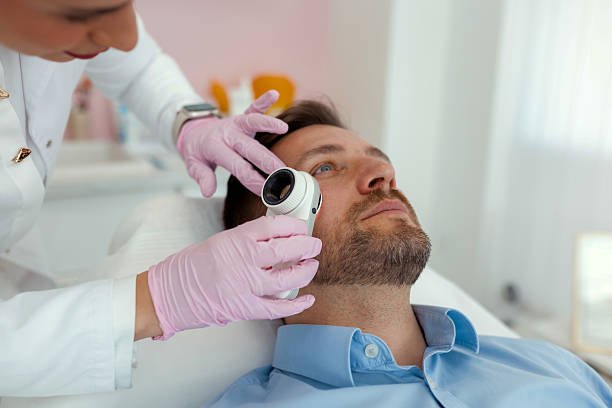
Consulting with a skilled practitioner ensures a tailored approach, combining treatments when necessary to achieve natural and harmonious results.
FAQs
1. Can dermal fillers and Botox be used together?
Yes, combining the two treatments can enhance facial rejuvenation by addressing both volume loss and dynamic wrinkles.
2. Are dermal fillers and Botox safe?
Both treatments are generally safe when administered by trained professionals and have a history of effective use in cosmetic procedures.
3. How long does it take to see Botox results compared to fillers?
Botox results appear gradually over 3–7 days, whereas dermal filler results are usually immediate.
4. Can I switch between Botox and dermal fillers?
Yes, treatments can be tailored to evolving aesthetic goals, and practitioners often adjust approaches based on the area and desired outcome.
Conclusion
While both Dermal Fillers Abu Dhabi and Botox are popular non-surgical aesthetic treatments, they serve different purposes. Fillers restore volume, enhance contours, and improve facial symmetry, whereas Botox relaxes muscles to reduce expression-related wrinkles. Understanding these differences helps individuals make informed decisions and choose the best solution for their unique facial concerns. Together or individually, these treatments offer effective ways to rejuvenate the face, improve confidence, and maintain a youthful appearance.

















Leave a Reply