

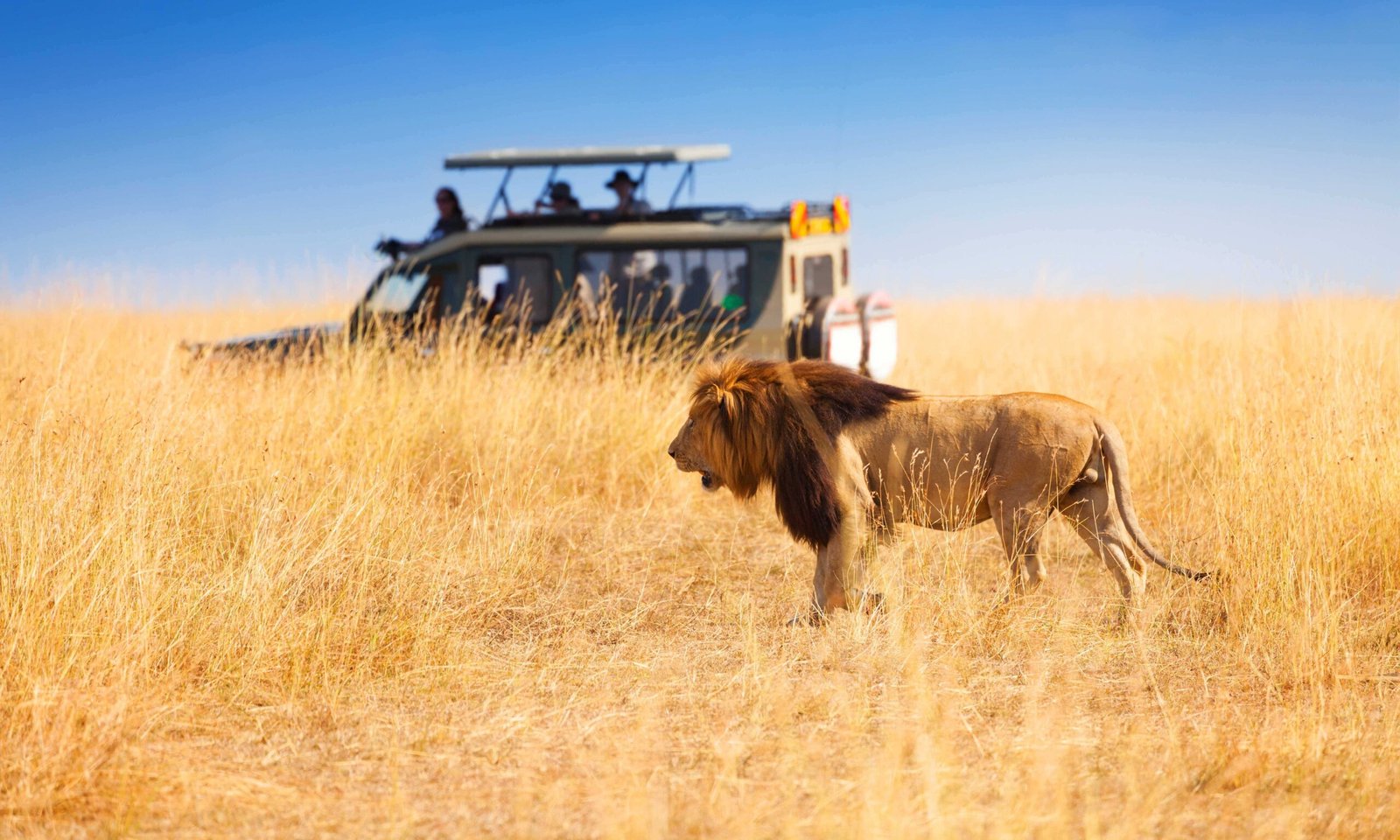
A Wildlife Safari Kenya adventure is one of the most thrilling travel experiences in the world. From vast golden savannahs to acacia-dotted plains, Kenya offers unmatched opportunities to see the legendary Big Five — lion, leopard, elephant, rhino, and buffalo — in their natural habitat. Knowing the best time to visit can make the difference between a good safari and an unforgettable one.
Why Choose a Wildlife Safari Kenya Experience?
Kenya is home to some of Africa’s most iconic national parks and reserves. Destinations like the world-famous Maasai Mara National Reserve, Amboseli National Park, Tsavo National Park, and Lake Nakuru National Park provide diverse landscapes and exceptional wildlife viewing year-round.
A Wildlife Safari Kenya journey offers:
- Close encounters with the Big Five
- Spectacular landscapes and photography opportunities
- Rich Maasai culture and traditions
- Luxury lodges and authentic tented camps
But timing your visit is key to maximizing wildlife sightings.
Best Time for Wildlife Safari Kenya
1. Dry Season (June to October) – Peak Safari Season
The dry season is widely considered the best time for a Wildlife Safari Kenya experience. During these months:
- Animals gather around water sources, making them easier to spot.
- Vegetation is thinner, improving visibility.
- The weather is pleasant with minimal rainfall.
This period also coincides with the Great Migration in the Maasai Mara, typically from July to October. Millions of wildebeest and zebras cross from Serengeti National Park into Kenya, creating dramatic river crossings filled with predators nearby. It’s one of the most breathtaking wildlife spectacles on Earth.
Best for: First-time visitors, photographers, and Big Five seekers.
2. Short Dry Season (January to February)
January and February offer another excellent window for a Wildlife Safari Kenya trip. The weather is warm and dry, and wildlife viewing remains strong before the long rains begin in March.
- Fewer tourists compared to peak season
- Great conditions for bird watching
- Excellent predator sightings
Best for: Travelers seeking good wildlife with slightly fewer crowds.
3. Green Season (March to May & November)
These months bring rain, transforming Kenya’s landscapes into lush green scenery. While wildlife may be slightly harder to spot due to thicker vegetation, a Wildlife Safari Kenya during the green season has its advantages:
- Fewer tourists
- Lower accommodation rates
- Beautiful dramatic skies for photography
- Migratory birds in abundance
Heavy rains in April and May can affect road conditions, but many lodges remain open.
Best for: Budget travelers and repeat safari-goers.
Where to See the Big Five in Kenya
If your goal is spotting all members of the Big Five during your Wildlife Safari Kenya adventure, these parks are top choices:
- Maasai Mara National Reserve – Excellent for lions, leopards, and buffalo.
- Amboseli National Park – Famous for large elephant herds with Mount Kilimanjaro views.
- Lake Nakuru National Park – A sanctuary for endangered rhinos.
- Tsavo East National Park – Known for “red elephants” and vast wilderness.
Each destination provides a unique safari atmosphere, making Kenya one of Africa’s most diverse wildlife countries.
Tips for Planning Your Wildlife Safari Kenya Trip
- Book early if traveling during peak migration months.
- Choose the right park based on your wildlife interests.
- Pack neutral-colored clothing for blending into the environment.
- Bring quality binoculars and a camera with zoom capability.
- Work with reputable safari operators for safety and expertise.
Final Thoughts
A Wildlife Safari Kenya experience promises unforgettable encounters with Africa’s iconic wildlife. While Kenya offers year-round safari opportunities, the dry season from June to October remains the best time to witness the Big Five and the dramatic Great Migration.
Whether you’re a first-time explorer or a seasoned traveler, timing your Wildlife Safari Kenya adventure correctly ensures you’ll witness nature at its most powerful and beautiful.

















Leave a Reply