

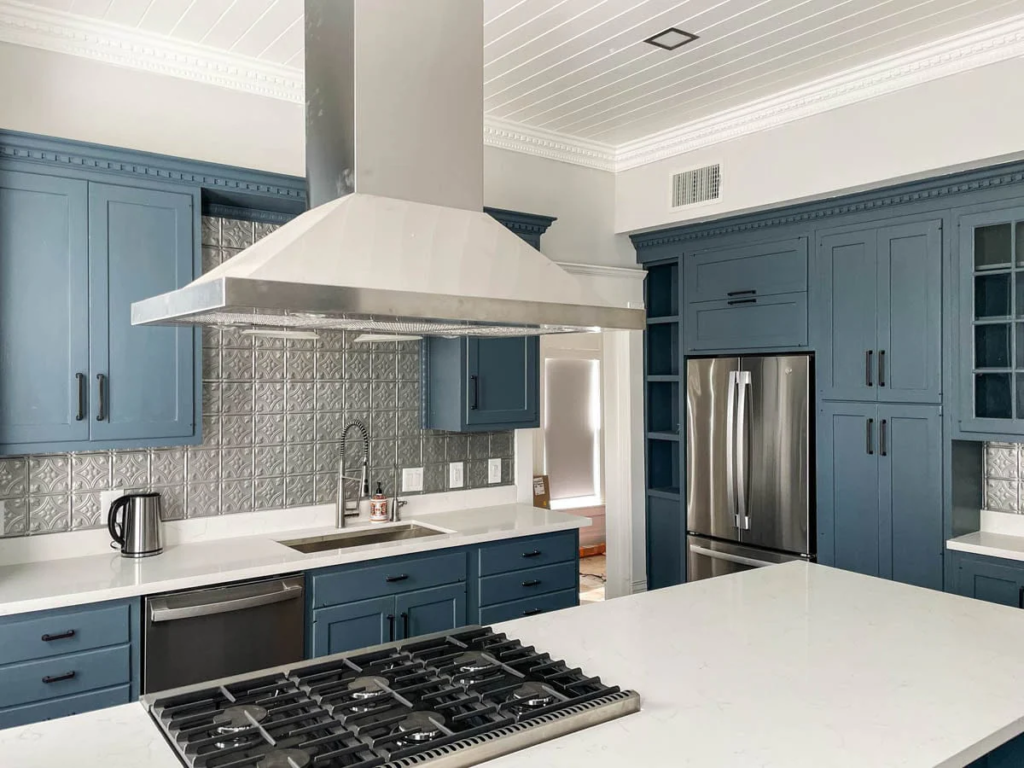
A well-ventilated kitchen is essential for maintaining clean air, removing cooking odors, and reducing grease buildup on surfaces. This becomes even more important when using gas stoves, which produce heat, moisture, and combustion byproducts during cooking. For compact kitchens and smaller cooking spaces, selecting the right ventilation system is critical to achieving both performance and efficiency.
A 24 inch kitchen hood is designed specifically for smaller cooktops and tight kitchen layouts where space is limited but proper ventilation is still necessary. Despite its compact size, it plays a significant role in improving air quality and maintaining a comfortable cooking environment.
What Is a 24 Inch Kitchen Hood?
A 24 inch kitchen hood is a range hood designed to match a 24-inch cooktop, commonly found in apartments, small homes, and compact kitchen setups. These hoods are engineered to capture smoke, steam, grease, and odors directly above the cooking surface.
Industry guidance suggests that range hoods should ideally be equal to or slightly wider than the cooktop for better performance, ensuring proper capture of rising air pollutants during cooking .
Because of this sizing principle, a 24 inch kitchen hood is typically paired with 24-inch stoves or cooktops to maintain balance between space efficiency and ventilation effectiveness.
Why Size Matters in Kitchen Ventilation
Choosing the correct size hood is one of the most important decisions in kitchen design. A properly sized hood ensures efficient airflow capture and prevents smoke from spreading into the room.
A 24 inch kitchen hood is ideal for:
- Small apartments and studio kitchens
- Compact gas or electric cooktops
- Secondary cooking areas or kitchenette setups
- Space-restricted kitchen layouts
While larger kitchens may require wider hoods for maximum efficiency, smaller kitchens benefit from a compact solution that still delivers strong airflow performance.
Key Features of a 24 Inch Kitchen Hood
Modern 24 inch kitchen hood models are designed to balance performance and space-saving functionality.
1. Compact Design
These hoods are built to fit smaller kitchen layouts without overwhelming cabinet space or wall design.
2. Efficient Airflow
Despite their size, many models are equipped with powerful fans capable of removing smoke and grease effectively.
3. Filter Systems
Most units include aluminum mesh or baffle filters that capture grease particles and improve air quality.
4. Multiple Installation Options
They can be installed as under-cabinet, wall-mounted, or insert-style units, depending on kitchen design.
5. Energy Efficiency
Smaller hoods generally consume less energy while still providing sufficient ventilation for compact cooking spaces.
Benefits of Using a 24 Inch Kitchen Hood
Installing a 24 inch kitchen hood provides several practical advantages:
Improved Air Quality
It helps remove airborne grease, smoke, and odors, making the kitchen more comfortable.
Space Optimization
Perfect for small kitchens where larger ventilation systems would be impractical.
Easier Maintenance
Smaller hoods are generally easier to clean and maintain due to their compact structure.
Cost-Effective Solution
They are often more affordable than larger ventilation systems while still offering essential performance.
Types of 24 Inch Kitchen Hood Installations
There are several installation styles available depending on kitchen layout:
Wall-Mounted Hoods
Installed directly on the wall above the cooktop, offering strong suction and easy access.
Under-Cabinet Hoods
Mounted beneath kitchen cabinets, ideal for saving space in compact kitchens.
Insert or Built-In Hoods
Hidden within cabinetry for a seamless kitchen design.
Each configuration of a 24 inch kitchen hood serves a different purpose but ultimately aims to improve ventilation efficiency in small cooking environments.
Understanding Kitchen Airflow and Performance
Airflow strength, measured in CFM (cubic feet per minute), is a key factor when evaluating kitchen hoods. Even a compact 24 inch kitchen hood must provide sufficient airflow to handle heat and smoke generated by cooking.
For gas cooking setups, higher airflow is generally recommended to ensure combustion gases are effectively removed from the kitchen environment. Proper airflow design helps maintain indoor air quality and reduces long-term buildup of grease on surfaces.
Maintenance Tips for Long-Term Efficiency
To ensure consistent performance, regular maintenance of a 24 inch kitchen hood is essential:
- Clean filters every 2–4 weeks, depending on usage
- Wipe exterior surfaces to prevent grease buildup
- Inspect fan performance periodically
- Replace filters when necessary
- Avoid heavy grease accumulation during cooking
Proper maintenance ensures long-lasting efficiency and optimal airflow performance.
Common Mistakes to Avoid
Many homeowners make mistakes when selecting or using compact kitchen hoods:
- Choosing a hood that is too weak for the cooktop
- Ignoring proper installation height
- Failing to clean filters regularly
- Using recirculating systems without maintenance
- Overlooking ventilation needs in gas cooking setups
Avoiding these issues ensures the 24 inch kitchen hood performs effectively over time.
When to Consider an Upgrade
While a 24 inch kitchen hood is ideal for compact spaces, larger or more frequent cooking may require a more powerful system. Kitchens with heavy frying, grilling, or multi-burner usage may benefit from higher-capacity ventilation solutions for better air management.
Conclusion
A 24 inch kitchen hood is a practical and efficient solution for compact kitchens that require reliable ventilation without sacrificing space. For kitchens designed with island cooking areas or open layouts, an island vent hood can offer enhanced coverage and airflow performance, making it a valuable alternative depending on kitchen design and ventilation needs. It effectively removes smoke, grease, and odors while maintaining a clean and comfortable cooking environment.









Leave a Reply