

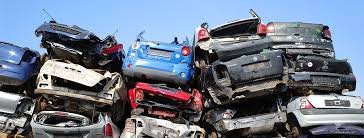
The automotive industry supports transport, trade, and daily life. Millions of vehicles travel on roads around the world every day. Over time, every car reaches the end of its road life. Age, accidents, and mechanical failure often make repairs impractical. When this happens, the vehicle moves into the scrap recycling system.
Scrap car recycling plays a strong role in environmental care. Many people think an old car becomes waste after it stops running. The reality is different. A large portion of every vehicle can still serve a purpose through recycling and reuse. Materials from old vehicles return to the production cycle instead of becoming landfill waste.
This article explores why scrap car recycling ranks among the greenest industries in the automotive sector and how it protects natural resources while reducing pollution.
The Scale of Vehicle Recycling Around the World
The number of vehicles on the road continues to grow each year. Global studies estimate that more than 1.4 billion vehicles operate worldwide. Every year, millions of cars reach the end of their working life.
Vehicle recycling groups report that about 25 million tonnes of materials are recovered from old cars every year. These materials include steel, aluminium, copper, plastic, glass, and rubber.
Steel makes up the bulk of most vehicles. Around 60-65% of a typical car is steel and iron. When recycling centres recover this metal, it reduces the need for new mining operations and heavy manufacturing.
This recovery process keeps large quantities of raw materials in use and lowers the pressure on natural resources.
How Scrap Car Recycling Works
Scrap car recycling follows a clear process. Each stage focuses on recovering parts and materials that still serve a purpose.
When an old vehicle arrives at a recycling yard, workers first record its details. This includes the make, model, and year. The next step is to remove fluids such as engine oil, coolant, fuel, and brake fluid. Proper handling of these fluids prevents contamination of soil and water.
After fluid removal, workers examine the car for reusable parts. Components such as engines, gearboxes, doors, mirrors, alternators, and radiators often remain in working condition. These parts move into storage for resale.
Once reusable components are removed, the remaining vehicle shell enters the metal recycling stage. The body moves through shredding equipment that breaks the metal into smaller pieces. Large magnets then separate steel from other materials. Aluminium, copper, and plastic pass through additional sorting systems.
These materials later go to recycling plants, where they are melted and transformed into new products.
Reducing Landfill Waste
Landfills receive many types of waste each year. Vehicles contain materials that take a long time to break down if they enter landfill areas. Steel and aluminium can remain unchanged for decades, while plastics may take even longer.
Scrap car recycling keeps most of these materials out of landfill sites. Studies by recycling associations show that around 75 per cent of an average vehicle can be recycled. Some modern recycling systems recover even higher amounts.
This process reduces the volume of industrial waste and supports long-term waste management efforts.
Rubber from tyres, for example, often becomes material for road surfaces, playground flooring, or construction products. Glass from vehicle windows can enter glass recycling streams. Plastic components also return to manufacturing cycles.
Through these steps, scrap car recycling limits the amount of automotive waste entering disposal areas.
Lower Energy Use Through Metal Recycling
Metal production requires a large amount of energy. Mining ore from the ground, transporting it, and refining it into metal consumes fuel and electricity.
Recycling metal from vehicles uses far less energy than producing new metal from raw ore. Research in the steel industry shows that recycled steel production can use up to 60 per cent less energy than steel made from new raw materials.
This reduction leads to lower greenhouse gas emissions. When recycling plants melt recovered metal, they avoid many of the energy-intensive steps involved in mining and refining.
Old vehicles, therefore, serve as a valuable source of recycled metal for many industries.
Protection of Soil and Water
Cars contain several fluids that may harm the environment if released without control. These fluids include engine oil, transmission fluid, coolant, brake fluid, and fuel.
Recycling yards remove these liquids before dismantling the vehicle. Workers store the fluids in containers designed for industrial handling. Special facilities are then used to treat or recycle these liquids.
Car batteries also require careful handling. Lead and acid from batteries can contaminate soil and water if not managed properly. Recycling facilities remove these batteries and send them to battery recycling plants, where the lead becomes raw material for new batteries.
These steps protect surrounding land and water systems from pollution.
Extending the Life of Car Parts
Many vehicles enter recycling yards after accidents or mechanical failure in one area. Other parts of the car may still operate well. Dismantling workers remove these parts and prepare them for reuse.
Engines, transmissions, suspension parts, mirrors, doors, and lighting components often return to the automotive market through salvage sales.
At repair workshops and among car owners, these parts are sought for vehicle maintenance. Older car models often rely on recycled parts when new components are no longer produced.
Reusing parts reduces the need for manufacturing new components. This step lowers energy use and reduces industrial waste.
The Role of the Scrap Industry in Australia
Australia maintains strong recycling practices in the automotive sector. Many vehicles across the country reach the end of their road life every year. Scrap recycling centres collect these vehicles and recover useful materials.
The recycling process supports industries that rely on recycled steel and metals. Construction, manufacturing, and transport sectors often use recycled materials that originate from old vehicles.
Vehicle removal services also support this system. Car owners who no longer use their vehicles often search for services such as cash-for-old-cars Cranebrook when they want to remove an unwanted car from their property.
Businesses like Grande Cash for Cars operate within this recycling chain by collecting vehicles and directing them into the dismantling and material recovery process.
Scrap Car Recycling and the Circular Economy
The circular economy focuses on keeping materials in use for as long as possible. Scrap car recycling fits well within this concept.
A vehicle begins its life with materials drawn from natural resources. After many years on the road, those same materials return to the recycling stream instead of becoming waste.
Steel from a recycled car may later appear in building structures or household appliances. Aluminium may be used in new vehicles or machinery. Plastic components may be recycled into new industrial products.
This cycle reduces the need for new raw material extraction and lowers environmental impact.
A Greener Path for the Automotive Industry
Scrap car recycling stands as one of the greenest parts of the automotive sector because it turns old vehicles into useful resources. The process reduces landfill waste, lowers energy use in metal production, protects soil and water, and keeps valuable materials moving through industry.
Every recycled vehicle supports resource conservation and environmental care. Old cars that once travelled roads continue to serve a purpose through their materials and parts.
Through careful dismantling, recycling systems, and responsible handling of automotive components, scrap car recycling plays an important role in shaping a more sustainable future for the automotive world.










Leave a Reply