

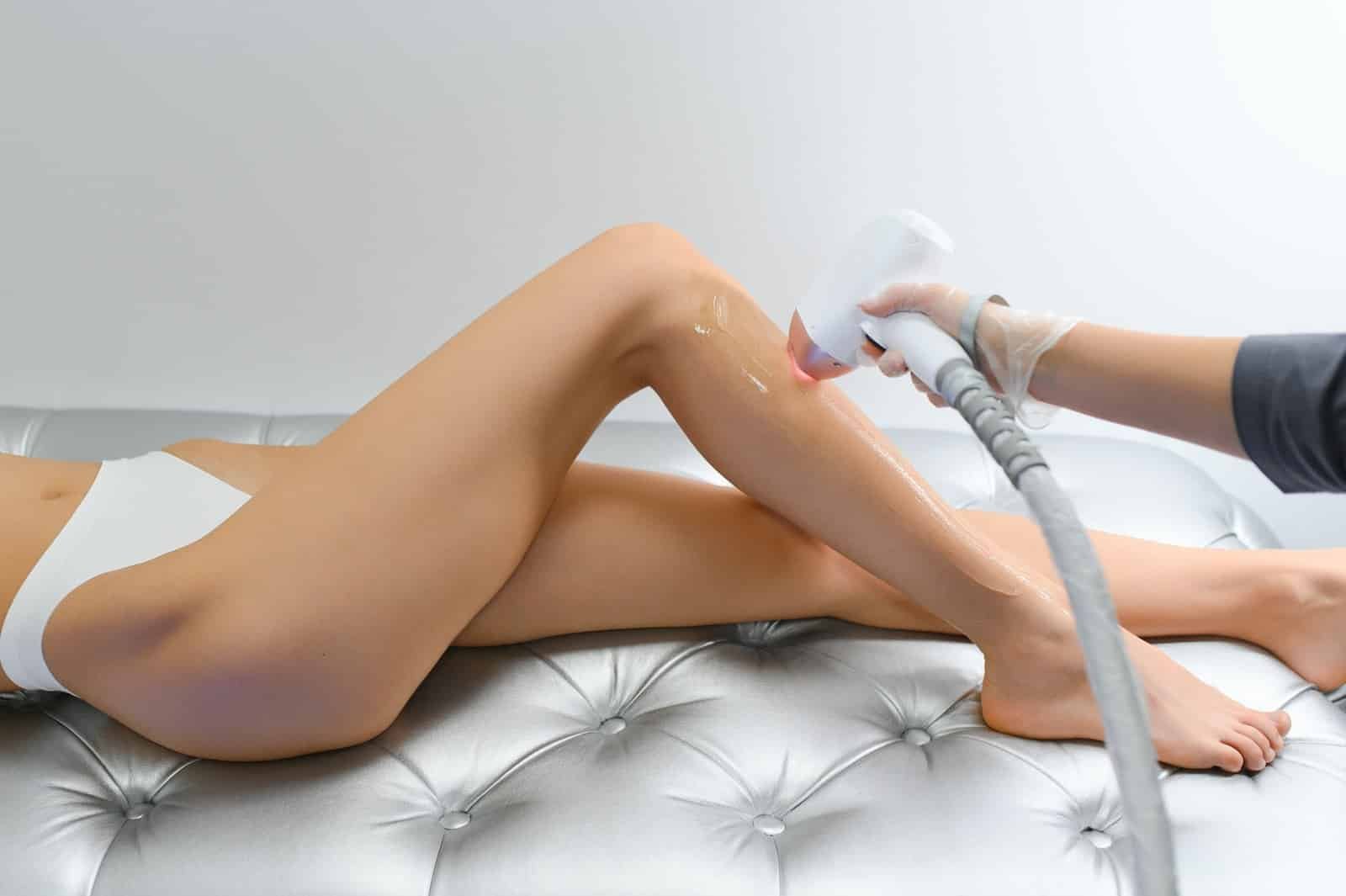
The quest for smooth, maintenance-free skin has led many to explore advanced aesthetic solutions. Among the most popular choices is the professional application of Laser Hair Removal in Abu Dhabi, a treatment designed to target hair at the root using concentrated light energy. Understanding the timeline of results and the physiological changes that occur after a session is essential for anyone looking to transition away from the daily chore of shaving or the discomfort of waxing.
The Science of Smoothness: How the Process Works
To appreciate the results, one must first understand the mechanism. Laser technology works on the principle of selective photothermolysis. The device emits a specific wavelength of light that is absorbed by the melanin (pigment) in the hair shaft. This light energy converts into heat, which travels down the hair to the follicle, effectively disabling its ability to produce new strands.
Key Takeaways of the Mechanism:
- Targeting the Root: The laser focuses on the hair follicle without affecting the surrounding skin tissue.
- The Growth Cycle: Results are progressive because the laser only impacts hair in the “Anagen” or active growth phase.
- Technological Precision: Modern systems allow for adjustments based on skin tone and hair thickness to ensure effectiveness.
Immediate Post-Treatment: What to Expect in the First 24 Hours
Directly after a session, it is normal for the skin to show signs of having undergone a thermal treatment. While there is no significant downtime, the treated area may appear slightly pink or mimic the sensation of a very mild sunburn. These are positive indicators that the follicles have absorbed the energy necessary for hair reduction.
Immediate Observations:
- Perifollicular Edema: Small, temporary bumps around the hair follicles are common and typically subside within a few hours.
- Skin Sensitivity: The area may feel warm to the touch, requiring gentle handling and the avoidance of hot water or friction.
- No Instant Baldness: Unlike waxing, the hair remains in the skin immediately after the pulse; the “disappearance” happens in the coming weeks.
The Shedding Phase: The Transition to Clearer Skin
One of the most misunderstood aspects of the process is the “shedding” phase. Roughly one to three weeks after your appointment, you will notice what appears to be new hair growth. However, this is actually the dead hair being expelled from the follicle.
Understanding the Shedding Process:
- Natural Expulsion: The body pushes out the treated hair shafts as the follicles begin to dormant.
- Exfoliation Assistance: Gently using a washcloth in the shower can help these hairs fall out more easily once the skin is no longer sensitive.
- Patchy Results: Early in the treatment series, hair may grow back in patches, which is a normal part of the process as different follicles enter the growth stage at different times.
Long-Term Transformation: The Cumulative Effect
True transformation is achieved through a series of sessions. While a single treatment provides a noticeable reduction—often cited between 10% to 25%—the goal is to catch every hair in its active phase over several months.
The Evolution of Regrowth:
- Texture Changes: Any hair that does return between sessions is typically much finer, lighter, and softer than before.
- Reduced Density: The number of active hairs decreases significantly with each subsequent visit.
- Skin Texture Improvement: Many individuals find that their skin becomes smoother, as the constant irritation from razors and ingrown hairs is eliminated.
Factors Influencing Your Results
Not every individual responds to the treatment in the exact same way. Results are influenced by biological factors and the quality of the technology utilized during the procedure.
Determinants of Success:
- Hair Color and Skin Tone: The contrast between the pigment in the hair and the skin allows the laser to target the follicle more accurately.
- Hormonal Influence: Areas like the face may require more sessions due to hormonal fluctuations that can stimulate hair growth.
- Consistency: Adhering to the recommended schedule ensures that the laser targets the maximum number of follicles in the correct growth phase.
Essential Aftercare for Lasting Success
The longevity of your results depends heavily on how the skin is treated between sessions. Proper aftercare protects the skin and ensures the follicles remain susceptible to the next round of light energy.
Post-Treatment Best Practices:
- Sun Protection: Shielding the treated area from UV rays is paramount to prevent pigment changes and maintain skin health.
- Avoid Plucking: Between sessions, you should only shave. Plucking or waxing removes the “target” (the root) that the laser needs for the next session.
- Hydration: Keeping the skin moisturized with gentle, fragrance-free products supports the healing process and keeps the skin barrier intact.
Why Professional Expertise Matters
The success of your journey is inextricably linked to the expertise of the practitioners and the caliber of the equipment used. Choosing a reputable facility, such as the Enfield Royal Clinic Abu Dhabi, ensures that the latest protocols are followed to achieve the desired aesthetic goals safely.
The Role of High-End Facilities:
- Advanced Equipment: Access to various laser types (like Alexandrite or Nd:YAG) allows for a customized approach for different skin types.
- Qualified Technicians: Experienced professionals can calibrate settings to maximize hair reduction while prioritizing skin integrity.
- Personalized Planning: A professional assessment helps set realistic timelines for your specific hair and skin profile.
Frequently Asked Questions
1. Is the hair reduction truly permanent?
While the term “permanent” is often used, the medical community describes it as “permanent hair reduction.” Most people enjoy hair-free skin for years, though occasional maintenance sessions (once or twice a year) may be needed to address any new follicles that become active over time.
2. Can I shave between my laser sessions?
Yes, shaving is the only recommended method of hair removal between appointments. Since shaving only cuts the hair above the skin, the root remains intact for the laser to target during your next visit.
3. How many sessions are typically required to see full results?
Most individuals require a series of 6 to 8 sessions to achieve optimal results. This timeline allows the laser to catch the various cycles of hair growth across the entire treatment area.
4. Will the treatment help with ingrown hairs?
Absolutely. One of the greatest secondary benefits is the virtual elimination of ingrown hairs. By destroying the follicle and thinning the hair, the primary causes of “razor bumps” and painful ingrowns are removed.



















Leave a Reply