

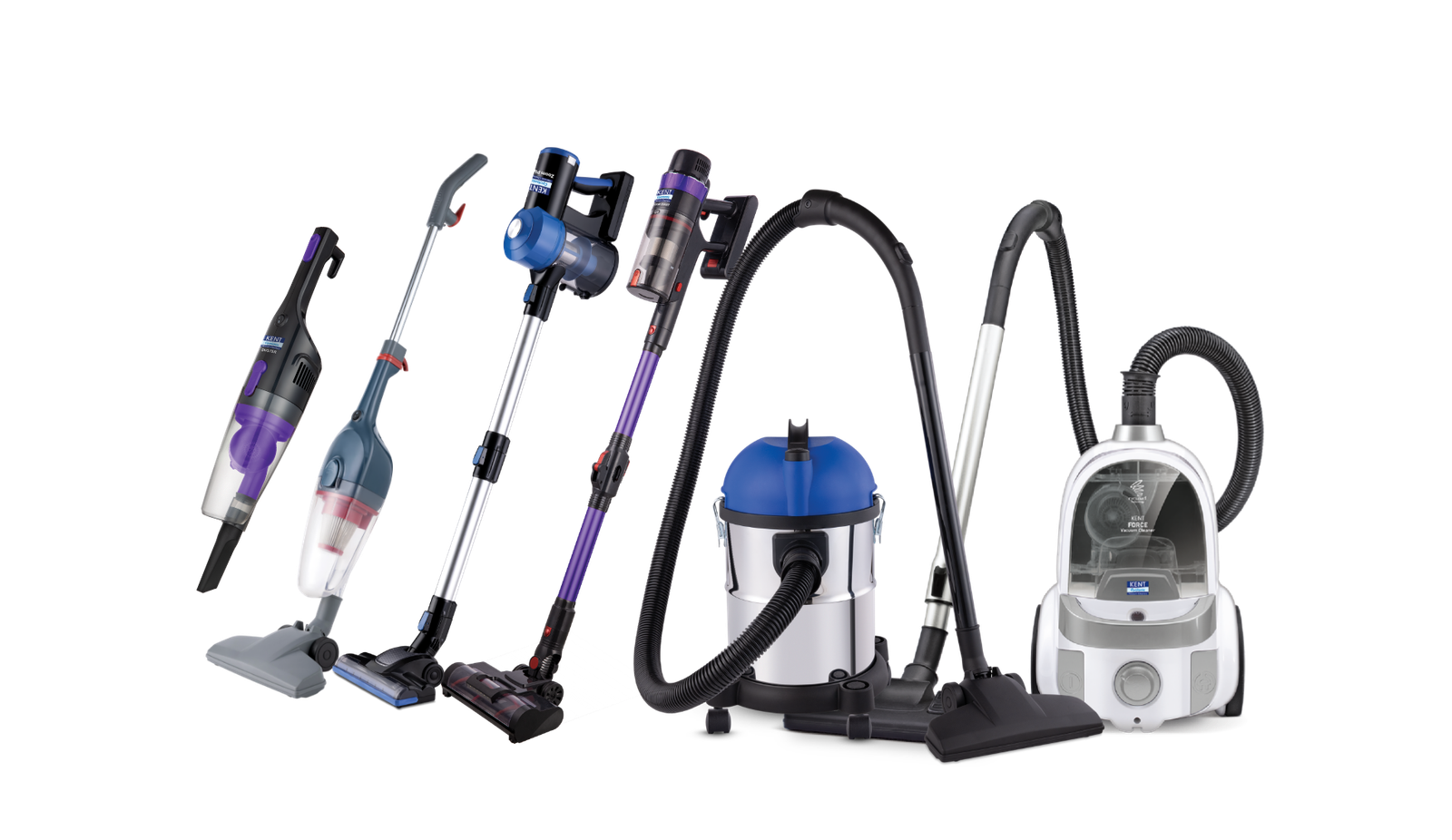
Dust buildup is a common issue in homes, even with regular sweeping and mopping, as fine particles settle in corners, fabrics, and hard-to-reach areas. This makes manual cleaning less effective over time and can affect overall indoor hygiene. A vacuum cleaner offers a practical solution by using powerful suction to remove dust from various surfaces more efficiently. Understanding how it works and where to use it in daily routines can help improve cleaning results and maintain a consistently cleaner living environment.
What is a Vacuum Cleaner?
A Vacuum Cleaner is a device that removes dust and debris using suction power. It works on various surfaces, including floors, carpets, and furniture, making it more versatile than manual cleaning tools. Some models, including wet-and-dry vacuum cleaners, can also handle liquid spills, adding flexibility to everyday use.
Why Are Vacuum Cleaners Used Today?
Cleaning needs have changed as homes include more surfaces, such as upholstery, carpets, and curtains, that easily trap dust. Traditional methods often move dust rather than remove it completely, which affects indoor hygiene over time. Using a machine that pulls in and stores dust helps reduce this issue and improves cleaning efficiency without adding extra effort.
How Does a Vacuum Cleaner Work?
To understand its function, it helps to look at how different parts work together during cleaning.
Suction Creation
The motor powers a fan that creates a pressure difference inside the machine. Air moves inward, carrying dust along, which allows the device to lift dirt from surfaces effectively.
Dust Collection
The incoming air passes through a chamber where dust and debris get separated and stored. A wet-and-dry vacuum cleaner can collect both dry debris and liquid waste, making it useful in areas like kitchens or balconies.
Filtration Process
Filters trap fine dust particles before the air exits the machine. This step helps prevent dust from returning to the room and supports a cleaner indoor environment.
Must Read: How Car Air Purifiers Make Your Daily Drives Healthier and Fresher?
Key Components That Make It Work
Each component plays a role in the device’s efficiency, and understanding these parts helps users achieve better results.
- Motor: Creates the suction required for cleaning
- Nozzle and Attachments: Help clean different surfaces with precision
- Dust Container or bag: Stores collected debris for disposal
- Filters: Capture fine particles and improve air quality
Where Are Vacuum Cleaners Most Useful?
Different areas in a home require different cleaning approaches, and this device adapts well to those needs.
- Floors and tiles where dust settles daily
- Carpets and rugs that hold fine particles
- Sofas and upholstery that collect hair and debris
- Curtains and corners that are difficult to clean manually
- Car interiors that need focused cleaning
A Wet-and-Dry Vacuum Cleaner is useful in spaces where both dust and spills occur, making cleaning more manageable.
What Makes Modern Vacuum Cleaners More Effective?
Modern vacuum cleaners are designed to deliver better performance while making cleaning more convenient and efficient. Improved technology enhances dust removal, simplifies maintenance, and supports easier movement across different surfaces.
- Cyclonic Systems: Improve dust separation for stronger and more consistent suction.
- Advanced Filtration: Helps capture fine particles, dust, and allergens effectively.
- Bagless Design: Simplifies cleaning and reduces the need for frequent replacements.
- Cordless Operation: Enhances flexibility and allows easy movement without restrictions.
These features work together to make cleaning faster, more efficient, and less effort-intensive across various surfaces.
Conclusion
A vacuum cleaner simplifies daily cleaning by combining suction, filtration, and practical attachments into a single system. It removes dust more effectively than manual methods and works easily across different surfaces. A wet-and-dry vacuum cleaner adds further convenience by handling both dry debris and liquid spills, making it a useful addition for maintaining a clean and comfortable home.












Leave a Reply