

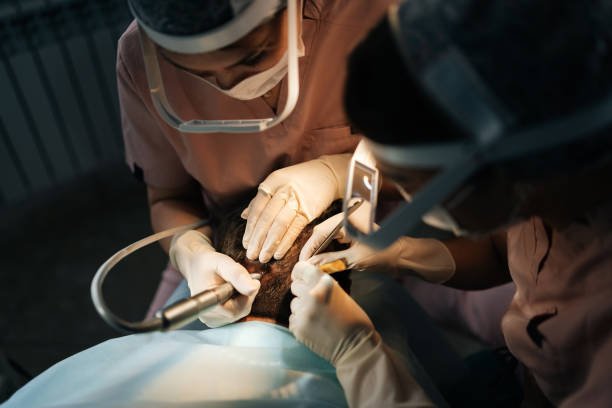
Hair loss is a common concern that affects millions of people worldwide. From receding hairlines to bald patches, it can impact both appearance and confidence. Fortunately, modern hair restoration techniques have made it possible to restore a natural, fuller head of hair. A Hair Transplant in Abu Dhabi is increasingly chosen for its effectiveness, safety, and long-lasting results. With advancements in technology and precise surgical methods, individuals can achieve the hair density they desire without invasive procedures or prolonged downtime.
Understanding Hair Transplantation
A hair transplant involves relocating healthy hair follicles from areas with dense growth, typically the back or sides of the scalp, to areas experiencing thinning or baldness. These transplanted follicles continue to grow naturally, giving a permanent solution to hair loss. The procedure has evolved significantly over the years, moving away from older methods that could leave noticeable scars or produce unnatural results. Today’s modern techniques focus on precision, minimal invasiveness, and natural outcomes, making hair restoration safer and more effective than ever.
The primary goal of a hair transplant is to create a fuller, natural-looking head of hair. Specialists plan the placement of each follicle carefully to match the natural growth direction, angle, and density of surrounding hair. This approach ensures that the new hair integrates seamlessly with existing hair, resulting in a balanced and aesthetically pleasing appearance.
Follicular Unit Extraction (FUE)
One of the most popular and widely used modern techniques is Follicular Unit Extraction (FUE). In FUE, individual hair follicles are harvested from a donor area and implanted into the thinning or bald areas. Unlike older methods, FUE does not require large incisions or stitches, significantly reducing scarring and healing time.
Advantages of FUE
- Minimally Invasive: Only small, circular punches are used to extract follicles, leaving tiny, almost invisible marks.
- Natural Results: Follicles are placed to replicate the natural hair pattern, creating a seamless appearance.
- Fast Recovery: Patients typically return to normal activities within a few days.
- Flexibility: Suitable for small to moderate hair loss areas, including hairlines, crowns, and bald patches.
FUE is an excellent choice for individuals seeking natural results without long recovery periods. The ability to precisely control the placement of follicles ensures a fuller, uniform appearance while maintaining scalp health.
Direct Hair Implantation (DHI)
Direct Hair Implantation (DHI) is an advanced hair transplant technique that enhances the precision and density of results. DHI is similar to FUE in that individual follicles are extracted, but the implantation process is different. Using a specialized implanter pen, follicles are directly implanted into the scalp without pre-made incisions.
Benefits of DHI
- Precise Control: The angle, depth, and direction of each follicle can be meticulously managed.
- High Density: DHI allows for closer placement of follicles, resulting in a thicker and more uniform hair growth.
- Minimal Trauma: Since no prior incisions are made, scalp trauma is reduced, promoting faster healing.
- Natural Hairline Creation: Ideal for designing precise and authentic-looking hairlines.
DHI is particularly recommended for areas that require high-density coverage or for individuals aiming to restore receding hairlines. The method ensures that transplanted hair integrates seamlessly with existing hair, producing a natural and long-lasting outcome.
Combining Hair Transplant with PRP Therapy
Platelet-Rich Plasma (PRP) therapy is often used alongside hair transplant procedures to improve results. PRP involves using growth factors from the patient’s own blood to stimulate follicles, enhance healing, and encourage thicker hair growth.
Advantages of PRP in Hair Transplants
- Accelerates Recovery: PRP promotes faster healing of the scalp post-procedure.
- Strengthens Follicles: Improves the overall health and longevity of transplanted hair.
- Enhances Density: Encourages existing hair to grow thicker, complementing the transplant.
By integrating PRP therapy with modern hair transplant techniques, patients can achieve optimal density, improved hair health, and faster visible results.
Choosing the Right Technique
Selecting the best hair transplant technique depends on several factors:
- Extent of Hair Loss: FUE is highly effective for small to medium areas, while DHI is ideal for larger areas or higher-density requirements.
- Donor Hair Quality: Healthy follicles are essential for long-lasting and natural results.
- Desired Outcome: DHI provides more control over hairline and density, making it preferable for precise cosmetic goals.
- Recovery Considerations: Both techniques are minimally invasive, but DHI may allow slightly quicker healing due to reduced trauma.
A professional consultation with a hair restoration specialist is essential to evaluate these factors and develop a customized plan tailored to individual needs. Proper planning ensures that the results are natural, aesthetically pleasing, and long-lasting.
Benefits of Modern Hair Transplant Techniques
Modern hair transplant techniques, particularly FUE and DHI, provide multiple advantages over older methods:
- Permanent Results: Transplanted hair continues to grow naturally, providing a long-term solution to hair loss.
- Natural Appearance: Follicles are implanted following natural hair patterns, resulting in seamless integration.
- Minimal Scarring: Tiny incisions or direct implantation leave minimal marks on the scalp.
- Faster Recovery: Patients can resume normal activities quickly with less downtime.
- Confidence Boost: Restoring hair enhances self-esteem and personal appearance, impacting social and professional life positively.
The combination of these benefits makes modern hair transplants a reliable and effective solution for addressing various types of hair loss, from receding hairlines to bald patches.
Post-Procedure Care
After a hair transplant, proper scalp care ensures optimal growth and long-term results. Recommendations typically include gentle cleansing, avoiding excessive heat or harsh chemicals, and protecting the scalp from sun exposure. The transplanted hair behaves like natural hair and can be styled, cut, or washed normally once it has fully grown.
Long-term maintenance is straightforward, allowing patients to enjoy the natural and permanent results without ongoing treatments or complex routines.
Psychological and Social Impact
Hair restoration goes beyond aesthetics. Hair significantly contributes to self-image, and thinning or bald areas can affect confidence. A Hair Transplant can have a profound impact on self-esteem, social interactions, and overall mental well-being. Individuals often report feeling more youthful, attractive, and confident in both personal and professional environments after restoring hair density.
FAQs
Q1: Which hair transplant technique provides the most natural results?
Both FUE and DHI provide natural-looking results, but DHI allows for more precise follicle placement, especially for hairlines.
Q2: How long is the recovery period after a hair transplant?
Most patients resume normal activities within a few days, with full hair growth visible in 9 to 12 months.
Q3: Can PRP therapy improve the results of a hair transplant?
Yes, PRP promotes healing, strengthens follicles, and enhances hair thickness and density.
Q4: Is a hair transplant permanent?
Yes, transplanted hair continues to grow naturally and permanently once the follicles are fully established.
Conclusion
Choosing the best hair transplant technique is crucial for achieving natural, long-lasting results. FUE offers a minimally invasive approach suitable for most hair loss patterns, while DHI provides precise control for high-density coverage and detailed hairline restoration. Integrating supportive therapies like PRP can further enhance growth, thickness, and overall scalp health.
A Hair Transplant Abu Dhabi using these modern methods ensures safety, effectiveness, and permanent results. By carefully assessing individual needs, hair loss patterns, and donor hair quality, specialists can deliver a tailored solution that restores not just hair but also confidence and self-esteem. Modern hair transplants are no longer just a cosmetic procedure—they are a life-changing transformation for anyone seeking a natural, fuller head of hair.






















Leave a Reply