

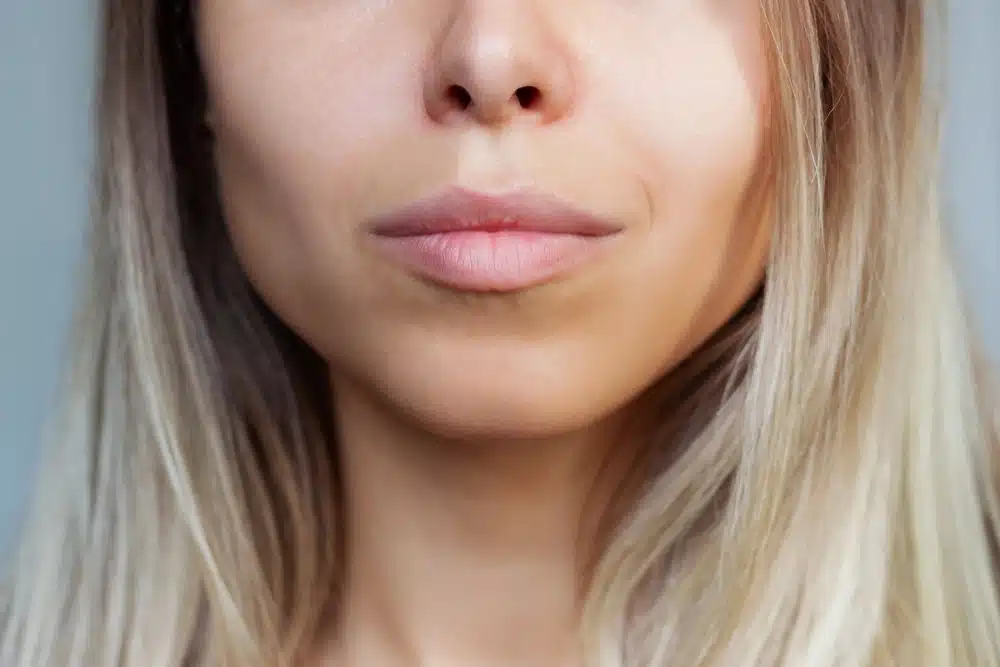
Midface contouring has become a cornerstone of modern aesthetic refinement, offering a way to balance facial proportions and highlight natural bone structure. Among the most discussed procedures for achieving a sculpted look is Buccal Fat Removal in Abu Dhabi, which focuses on the strategic reduction of fat pads located in the cheek area to create a more chiseled appearance. This procedure is designed for individuals who feel their face appears overly round or “baby-faced” despite maintaining a healthy lifestyle, providing a subtle yet impactful transformation of the facial silhouette.
Understanding Buccal Fat and Facial Anatomy
To appreciate how this procedure works, one must first understand the anatomy of the buccal fat pad. This is a naturally occurring mass of fat located in the hollow of the cheek, situated between the buccinator muscle and other more superficial muscles. Unlike subcutaneous fat, which fluctuates significantly with weight gain or loss, buccal fat is often structurally predisposed, meaning diet and exercise may have little effect on its volume.
The Role of the Buccal Fat Pad
The primary function of these fat pads in infancy is to assist with the sucking reflex. As we age, they typically diminish in prominence or shift. However, for many individuals, these pads remain full, contributing to a persistent roundness in the lower midface.
Anatomical Precision in Contouring
The procedure involves a precise surgical approach, usually performed through small incisions inside the mouth. By accessing the fat pads internally, the practitioner can ensure that the surface of the skin remains untouched, focusing entirely on the underlying structural volume.
What Areas Does Buccal Fat Removal Improve?
The primary objective of this treatment is the refinement of the lower third and mid-section of the face. While it is a localized procedure, the visual benefits extend to the overall harmony of the facial features.
1. The Hollow of the Cheek
The most immediate area of improvement is the “sub-malar” region, or the hollow of the cheeks. By removing a portion of the buccal fat, a gentle inward curve is created. This shadow-like effect mimics the look of professional contouring makeup, giving the face a more mature and athletic appearance.
2. Definition of the Cheekbones
While the procedure does not involve the cheekbones themselves, reducing the volume directly beneath them makes the zygomatic arches (cheekbones) appear more prominent. This contrast is the key to achieving a “high cheekbone” look without the need for dermal fillers or implants.
3. Streamlining the Jawline
Excessive fullness in the lower cheeks can often “spill over” and obscure the transition between the cheek and the jaw. By thinning the midface, the jawline often appears more distinct and elongated, contributing to a sharper profile.
The Procedure: A Step-by-Step Overview
Understanding the process helps in setting realistic expectations for the journey toward a more contoured face. The procedure is celebrated for its efficiency and the fact that it leaves no visible external markers.
Initial Consultation and Mapping
Before any physical steps are taken, a thorough analysis of the facial structure is conducted. Practitioners look at the symmetry of the face and the volume of the fat pads to determine how much tissue should be removed to maintain a natural look.
The Surgical Technique
The procedure is typically performed under local anesthesia or sedation. A small incision (usually about 1cm to 2cm) is made on the inside of the cheek, near the upper molars. Through this opening, the buccal fat pad is gently teased out and trimmed.
Suture and Recovery
Once the desired amount of fat is removed, the incisions are closed with absorbable sutures. Because the work is done intraorally (inside the mouth), there is no need for bandage wraps on the face, and the recovery focuses on oral hygiene and managing internal swelling.
The Science of Facial Harmony
Facial aesthetics are governed by the “Triangle of Youth,” where the widest part of the face is at the cheeks, tapering down to the chin. As we age, or due to genetics, this triangle can invert or become a square.
Achieving the V-Shape
Many people seek a “V-shaped” facial profile. Buccal fat reduction is a key tool in achieving this, as it removes the “heaviness” from the center of the face, allowing the chin and jaw to provide a more defined point to the facial structure.
Balancing the Features
If a person has a very strong forehead or a prominent nose, full cheeks can sometimes make the face feel “crowded.” Slimming the midface can bring these features into better balance, making the eyes and lips stand out more effectively.
Ideal Candidates for Midface Refinement
Not everyone is a perfect candidate for this specific type of contouring. Suitability depends largely on existing facial volume and long-term aesthetic goals.
Identifying “Chipmunk Cheeks”
The ideal candidate is often described as someone with “chipmunk cheeks”—a specific roundness that persists regardless of body weight. These individuals have a clear distinction between their subcutaneous fat (which is thin) and their buccal fat (which is thick).
Maturity and Facial Fat
It is generally recommended that individuals wait until their mid-20s to consider this procedure. This is because facial fat naturally dissipates during the transition from adolescence to adulthood. Performing the procedure too early could lead to a gaunt appearance later in life.
Long-Term Impact and Results
One of the most appealing aspects of fat pad removal is the longevity of the results. Unlike temporary injectable treatments, the removal of fat cells provides a lasting change to the facial architecture.
Permanent Volume Reduction
Once the buccal fat cells are removed, they do not regenerate. This means the new contours of the cheek are permanent. While the remaining fat cells in the face can still expand or shrink with significant weight changes, the specific “fullness” of the buccal area is gone for good.
Subtle Maturation
The results of the procedure often take several weeks to fully manifest as swelling subsides. The final look is typically described as “subtle.” Friends and family might notice the person looks more rested or fit without being able to pinpoint that a surgical change has occurred.
Complementary Aesthetic Procedures
To achieve a total facial transformation, many individuals choose to pair buccal fat reduction with other treatments that enhance the surrounding features.
Jawline Contouring
While buccal fat removal thins the cheeks, treatments like chin augmentation or jawline fillers can further define the lower face, creating a comprehensive “sculpted” effect.
Skin Tightening
In some cases, especially for those in their 30s or 40s, removing fat may be paired with skin-tightening treatments to ensure the skin drapes perfectly over the new, slimmer contours.
Maintenance and Post-Procedure Care
Maintaining the results of any facial procedure requires a commitment to overall health and specific aftercare instructions to ensure the tissue heals correctly.
Oral Hygiene
Since the incisions are inside the mouth, using specialized mouthwashes and maintaining a soft-food diet for the first few days is crucial to prevent irritation.
Lifestyle Factors
Maintaining a stable weight is the best way to keep facial results looking consistent. Furthermore, protecting the skin’s collagen through sun protection and a good skincare routine ensures the skin remains firm over the contoured areas.
Reference and Professional Standards
When considering such refinements, it is essential to consult with institutions that prioritize anatomical precision and patient harmony. Establishments like the Enfield Royal Clinic Abu Dhabi are often cited as references for those seeking professional insights into midface contouring and facial aesthetics in the region.
Summary of Key Points
- Target Area: Focuses on the buccal fat pad in the mid-cheek region to reduce roundness.
- Aesthetic Goal: Creates a more defined, “chiseled” appearance and highlights the cheekbones.
- Procedure Type: Minimally invasive, performed via internal incisions with no external scarring.
- Longevity: Results are considered permanent as the removed fat cells do not grow back.
- Ideal Candidate: Individuals with persistent lower-cheek fullness and good skin elasticity.
- Recovery: Relatively quick, involving internal healing and managed swelling over a few weeks.
Unique FAQs
How long does it take for the final results to appear?
While some changes may be visible shortly after the procedure, the final results typically emerge after 3 to 4 months. This timeline allows all internal swelling to completely dissipate, revealing the true contour of the midface.
Will the procedure make me look older?
When performed on the right candidate with the appropriate amount of fat removed, it provides a refreshed, more mature look. Practitioners take great care to leave enough volume to ensure the face remains youthful and doesn’t appear gaunt as the natural aging process continues.
Can this be done if I have a low body weight?
Yes. Buccal fat is often genetic and independent of overall body fat percentage. Many thin individuals have prominent buccal fat pads that do not respond to weight loss, making them excellent candidates for this procedure.
Is the procedure visible to others?
Because the incisions are made entirely inside the mouth, there are no visible scars or marks on the face. The results appear natural, as if the person has simply lost weight or has naturally high cheekbones.












Leave a Reply