

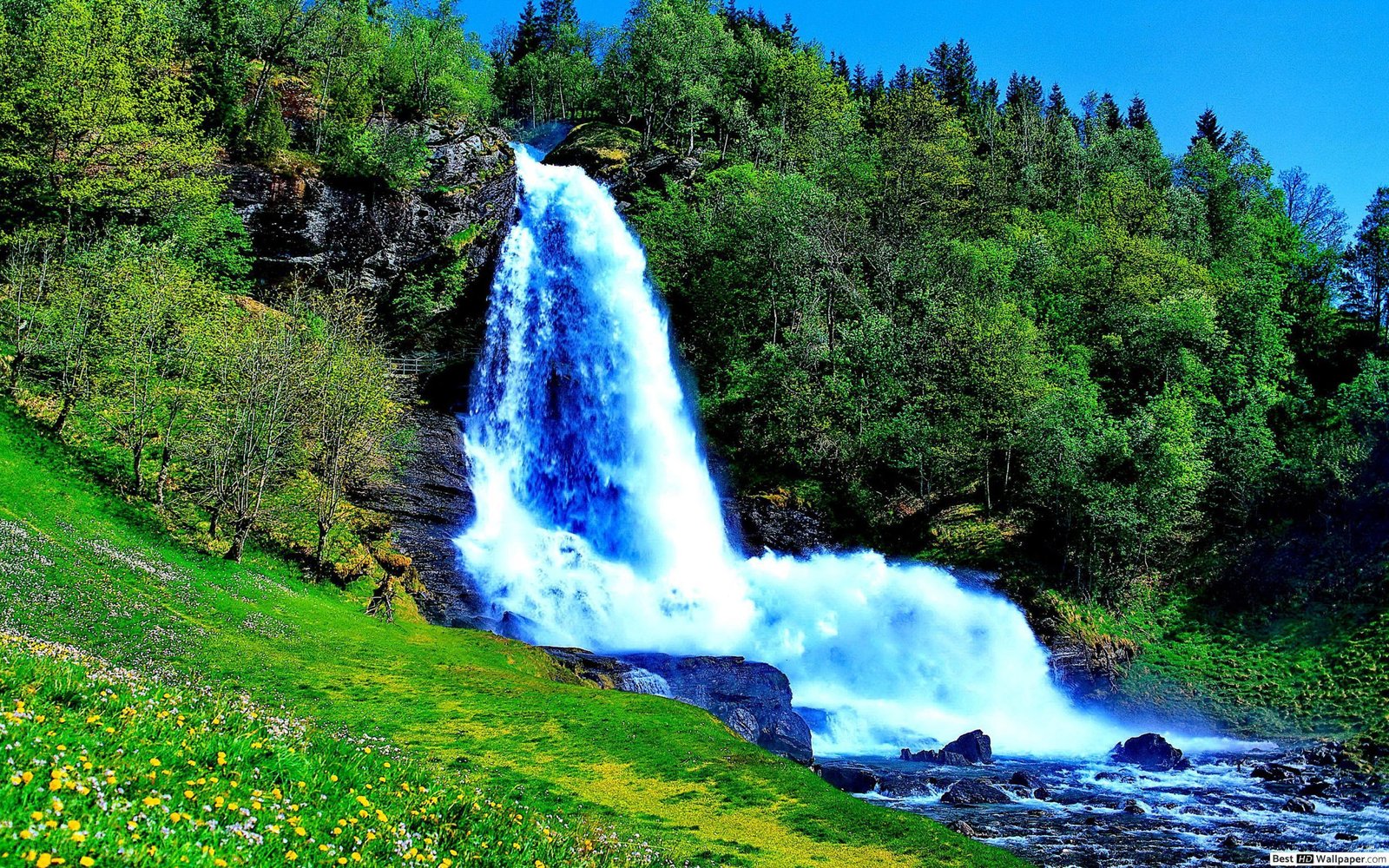
Kerala, often called God’s Own Country, is celebrated for its lush greenery, serene backwaters, misty hill stations, and rich cultural heritage. Among its many natural treasures, the waterfalls in Kerala stand out as breathtaking spectacles of nature. Cascading down the Western Ghats, these waterfalls are not only scenic wonders but also integral to Kerala’s ecology, tourism, and cultural identity.
From the thunderous Athirappilly Falls to the tranquil Meenmutty and the hidden gems tucked away in forest reserves, Kerala’s waterfalls offer travelers a chance to experience raw natural beauty. This article explores the most famous waterfalls in Kerala, their significance, best times to visit, and practical travel tips, while painting a vivid picture of why they are must-see attractions.
Why Visit Waterfalls in Kerala?
- Natural Beauty: Surrounded by forests, tea plantations, and hills, Kerala’s waterfalls are postcard-perfect.
- Adventure: Trekking, photography, and camping opportunities abound near many waterfalls.
- Cultural Significance: Several waterfalls are linked to local legends and traditions.
- Accessibility: Many are located near popular tourist circuits like Munnar, Wayanad, and Thrissur.
- Relaxation: The soothing sound of cascading water offers peace and rejuvenation.
Famous Waterfalls in Kerala
1. Athirappilly Waterfalls (Thrissur)
- Height: 80 feet
- Highlights: Known as the “Niagara of India,” Athirappilly is Kerala’s largest waterfall.
- Experience: Surrounded by Sholayar forests, it is a popular spot for film shoots and eco-tourism.
- Best Time to Visit: June to September during monsoon for full flow.
2. Vazhachal Waterfalls (Thrissur)
- Highlights: Located close to Athirappilly, Vazhachal is more serene and surrounded by dense forests.
- Experience: Ideal for picnics and nature walks.
3. Meenmutty Waterfalls (Wayanad)
- Height: 300 meters (Kerala’s second highest)
- Highlights: A three-tiered waterfall accessible via trekking trails.
- Experience: Adventure lovers enjoy the challenging trek through forests.
4. Soochipara Waterfalls (Wayanad)
- Height: 200 meters
- Highlights: Also known as Sentinel Rock Waterfalls.
- Experience: Surrounded by tea estates, perfect for rock climbing and swimming.
5. Thommankuthu Waterfalls (Idukki)
- Highlights: A seven-step waterfall offering trekking and camping opportunities.
- Experience: Popular among adventure enthusiasts.
6. Palaruvi Waterfalls (Kollam)
- Height: 300 feet
- Highlights: Name means “Stream of Milk” due to its milky appearance.
- Experience: Believed to have medicinal properties; ideal for family visits.
7. Keezharkuthu Waterfalls (Idukki)
- Highlights: Known as “Rainbow Falls” due to rainbow formations.
- Experience: Famous for rock climbing and mountaineering.
8. Perunthenaruvi Waterfalls (Pathanamthitta)
- Highlights: Located on the banks of the Pamba River.
- Experience: Wide and scenic, popular among locals.
9. Nyayamakad Waterfalls (Munnar)
- Height: 1600 meters above sea level
- Highlights: Surrounded by tea plantations.
- Experience: Ideal for trekking and photography.
10. Lakkam Waterfalls (Munnar)
- Highlights: Located inside Eravikulam National Park.
- Experience: A hidden gem amidst dense forests.
11. Cheeyappara Waterfalls (Idukki)
- Highlights: Cascades down seven steps.
- Experience: Visible from Kochi-Munnar highway, making it easily accessible.
12. Valara Waterfalls (Idukki)
- Highlights: Located near Cheeyappara.
- Experience: Surrounded by lush greenery, perfect for photography.
13. Kuthumkal Waterfalls (Idukki)
- Highlights: A lesser-known waterfall near Munnar.
- Experience: Peaceful and less crowded.
14. Attukal Waterfalls (Munnar)
- Highlights: Scenic waterfall amidst rolling hills.
- Experience: Popular for trekking and camping.
15. Anayirankal Waterfalls (Munnar)
- Highlights: Located near Anayirankal Dam.
- Experience: A tranquil spot surrounded by tea plantations.
Cultural and Ecological Significance
- Legends: Many waterfalls are tied to local myths, such as Palaruvi’s medicinal waters.
- Biodiversity: Surrounding forests are home to elephants, leopards, and exotic birds.
- Film Industry: Athirappilly has featured in numerous Indian movies.
- Water Resources: Several waterfalls feed rivers and dams crucial for Kerala’s agriculture.
Best Time to Visit Waterfalls in Kerala
- Monsoon (June to September): Waterfalls are at their fullest, but trekking can be risky.
- Winter (October to February): Pleasant weather, ideal for sightseeing and photography.
- Summer (March to May): Reduced water flow, but still scenic and less crowded.
Adventure Activities Around Waterfalls
- Trekking: Meenmutty, Soochipara, and Thommankuthu offer challenging trails.
- Rock Climbing: Keezharkuthu and Soochipara are popular spots.
- Camping: Attukal and Thommankuthu provide camping opportunities.
- Photography: Athirappilly, Nyayamakad, and Valara are favorites among photographers.
Practical Travel Tips
- Wear sturdy footwear for trekking.
- Carry rain gear during monsoon.
- Respect local customs and avoid littering.
- Hire local guides for safe trekking.
- Book accommodations in advance during peak season.
Economic and Cultural Impact of Waterfall Tourism
Tourism around waterfalls contributes significantly to Kerala’s economy:
- Employment: Guides, hoteliers, and transport operators benefit.
- Preservation: Revenue supports conservation of forests and biodiversity.
- Global Recognition: Kerala’s natural beauty is showcased worldwide.
Culturally, waterfalls foster unity by bringing together people from different backgrounds who share an interest in nature.
Future of Waterfall Tourism in Kerala
With improved infrastructure, eco-tourism initiatives, and digital promotion, Kerala’s waterfalls are set to become global attractions. Future developments include:
- Eco-Friendly Practices: Sustainable tourism in forest reserves.
- Luxury Expansion: Growth of premium resorts near waterfalls.
- Global Collaboration: Partnerships with international conservation organizations.
Conclusion
The waterfalls in Kerala are more than just natural attractions—they are symbols of the state’s ecological richness, cultural heritage, and tourism appeal. Whether it is the grandeur of Athirappilly, the adventure of Meenmutty, the serenity of Palaruvi, or the hidden charm of Lakkam, Kerala’s waterfalls promise experiences that go beyond sightseeing—they are journeys into nature, tradition, and tranquility.
For honeymooners, families, adventure seekers, and curious travelers alike, Kerala’s waterfalls provide authenticity, enrichment, and unforgettable memories. As India continues to embrace its natural legacy, Kerala will remain a cornerstone of its ecological and global identity.

















Leave a Reply