

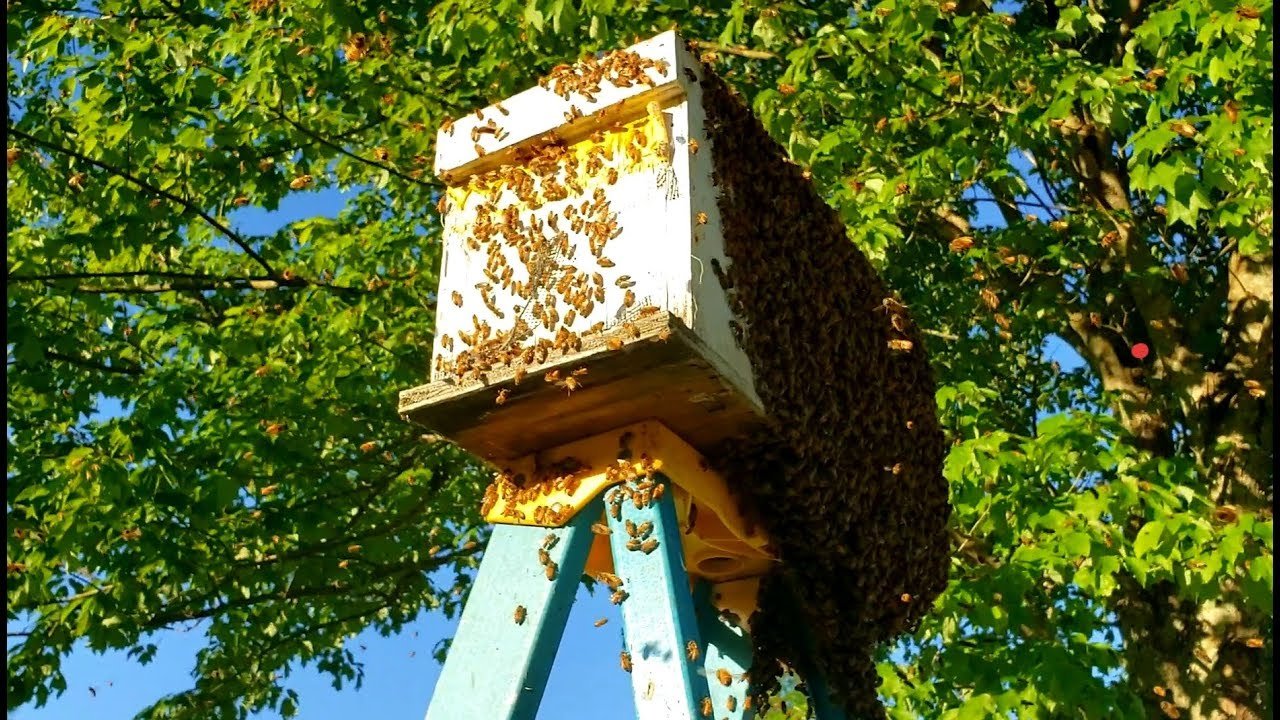
Bee boxes serve an essential role in controlling the movement of bees near homes while supporting local ecosystems. Many homeowners underestimate the importance of proactive measures, often noticing swarms only when bees attempt to build hives in unsafe locations. Installing bee boxes strategically offers an effective solution that both attracts bees to a safe environment and protects household entrances. These boxes act as designated colonies, providing pollinators with secure shelter while reducing the likelihood of them establishing nests in undesirable areas. Beyond immediate protection, bee boxes encourage natural pollination within gardens, improving plant growth and biodiversity in residential spaces effectively. As urban areas expand, balancing human activity with pollinator needs becomes increasingly vital, making bee boxes a practical and environmentally responsible solution.
Bee boxes replicate natural nesting conditions by offering enclosed yet ventilated spaces mimicking hollow trees or other bee habitats. This design satisfies bees’ instincts to nest in protected areas while keeping them separate from homes. By providing an inviting environment, bee boxes reduce the attraction of doorways, attics, or wall crevices, where bee interactions with humans often become problematic. Moreover, well-maintained boxes encourage long-term colony establishment, fostering stable populations that contribute to local pollination efforts. Educating homeowners about how these boxes function helps bridge knowledge gaps between urban living and ecological stewardship. Through careful consideration of box location, orientation, and height, residents create environments where both humans and bees coexist safely.
Bee Boxes for Effective Hive Management
Selecting appropriate bee boxes requires attention to size, material, and internal structure to attract bees successfully. Wooden constructions often replicate the insulating properties of natural tree cavities, providing warmth during cooler seasons and protection against predators. Some designs incorporate removable frames allowing for inspection, maintenance, and honey harvesting without disturbing the colony significantly. Choosing the correct bee boxes also depends on the species of bees in your area, as nesting preferences vary between honeybees, carpenter bees, and bumblebees. Proper placement ensures colonies settle in designated areas, keeping homes and high-traffic zones free from swarm activity. Regular maintenance, including cleaning and monitoring for pests, prolongs the life of the box and supports colony health. Many homeowners consult professional advice before installation, ensuring bee boxes are optimized to balance accessibility for care and safety for residents. By understanding these factors, residents maximize the protective function of bee boxes while simultaneously supporting pollinator welfare effectively.
Size selection directly affects how many bees the box can accommodate comfortably, preventing overcrowding and potential aggressive behavior. Smaller colonies may thrive in compact boxes but require careful monitoring to avoid stress or resource scarcity. Conversely, excessively large boxes may be intimidating to smaller colonies, deterring occupation. Wood type, ventilation design, and insulation are equally important, influencing internal temperature, moisture control, and overall habitat stability. Homeowners should also consider location relative to sunlight exposure, wind patterns, and proximity to flowering plants to maximize attraction. Correctly selected bee boxes ensure bees establish themselves in safe areas rather than nesting in unsuitable or hazardous spaces, reducing unwanted human interaction. This careful selection process highlights the dual goal of supporting pollinators while protecting residential structures from infestation and damage over time. Professional consultation often ensures that placement and design meet both ecological and practical requirements.
Strategic Placement of Bee Boxes to Protect Homes
Strategic placement is key to preventing bees from entering unwanted areas such as attics, porches, or window frames. Experts suggest positioning bee boxes several meters away from main entrances while maintaining access to nearby nectar and water sources. Proper orientation, typically facing southeast or east to capture morning sunlight, improves colony activity and survival rates. Placing boxes near flowering gardens encourages bees to remain within the designated space, further reducing attempts to relocate to unsuitable areas. Height is another consideration, as elevated placement discourages interference from pets and small children while replicating the natural conditions bees prefer. By carefully planning placement, homeowners can maximize the effectiveness of bee boxes while minimizing potential conflicts with daily activities. Strategic positioning ensures that bees perceive the box as a primary nesting site, keeping both human activity and pollinator behavior aligned safely and harmoniously. Thoughtful planning also supports long-term ecological contributions by maintaining healthy, localized bee populations for pollination.
Additionally, surrounding vegetation influences bee behavior significantly, guiding colonies toward desired areas. Trees, shrubs, and flowering plants create natural pathways that attract bees while providing shelter from predators and harsh weather. Incorporating these elements near bee boxes enhances their functionality and helps colonies flourish naturally. Homeowners may notice reduced swarm activity around doors or windows when landscaping complements box placement, demonstrating the effectiveness of integrating ecological design into urban living. Over time, well-placed bee boxes establish predictable patterns, allowing residents to anticipate colony behavior and plan outdoor activities safely. Combined with proper maintenance, strategic placement transforms bee boxes from simple shelters into highly effective tools for balancing pollinator presence and household protection simultaneously.
Maintenance and Monitoring of Bee Boxes
Maintenance is essential to ensure bee boxes remain safe, clean, and attractive for long-term colony use. Inspecting boxes periodically allows homeowners to detect mold, pest infestations, or damage from weather conditions early. Removable frames and ventilation systems facilitate cleaning without causing stress to resident bees, maintaining colony health and productivity. Providing supplemental water during dry periods also supports stable populations while encouraging bees to remain in designated areas. Homeowners may rely on visual observation and seasonal checks to monitor box integrity, preventing surprises from swarming or abandonment. Regular maintenance ensures that bee boxes continue fulfilling their protective purpose while supporting sustainable pollinator populations over time.
Monitoring also includes observing colony growth and behavior to anticipate space requirements or relocation needs. Homeowners may consult professionals for advice when boxes become overcrowded or when bees attempt to migrate unexpectedly. In such cases, services like bee removal service in universal city, LA provide guidance or assistance in transferring colonies safely without harming the insects. Professional consultation reinforces safe practices and minimizes risk to both humans and pollinators. Integrating monitoring into a routine schedule ensures early problem detection, enabling proactive interventions. Through diligent upkeep, bee boxes maintain their dual function of keeping bees away from homes while simultaneously fostering healthy colonies. This combination of care, observation, and occasional professional support maximizes the long-term effectiveness of bee boxes in residential areas.
Practical Benefits of Using Bee Boxes
Beyond protecting homes, bee boxes contribute significantly to urban ecosystems by providing secure nesting sites for essential pollinators. Healthy bee colonies support local flora by pollinating flowers, fruits, and vegetables, increasing yields in private gardens and community green spaces. By reducing the likelihood of bees nesting in unsuitable areas, homeowners also prevent structural damage and costly infestations. Bee boxes promote coexistence, allowing humans and pollinators to share residential spaces without conflict. They create educational opportunities as well, helping families learn about bee behavior, ecology, and conservation. Many communities incorporate bee boxes into public gardens to demonstrate responsible environmental stewardship while simultaneously keeping pollinators safe. These ecological benefits highlight the importance of integrating practical solutions into everyday life for both human convenience and biodiversity preservation.
Bee boxes also encourage responsible behavior in urban settings, reducing the need for chemical interventions or aggressive removal tactics. When installed correctly, these structures allow bees to fulfill their ecological role while minimizing interference with human activities. This balance fosters appreciation for pollinators while preventing negative interactions that often lead to fear or harm. Over time, widespread adoption of bee boxes can enhance neighborhood ecology, supporting natural pollination cycles and promoting healthy plant growth. Homeowners who implement these solutions contribute meaningfully to urban sustainability while enjoying the practical benefits of reduced swarming near entrances. Ultimately, bee boxes serve as an essential tool bridging human needs and ecological responsibility, demonstrating that thoughtful planning creates harmonious environments for both people and pollinators alike.




















Leave a Reply