

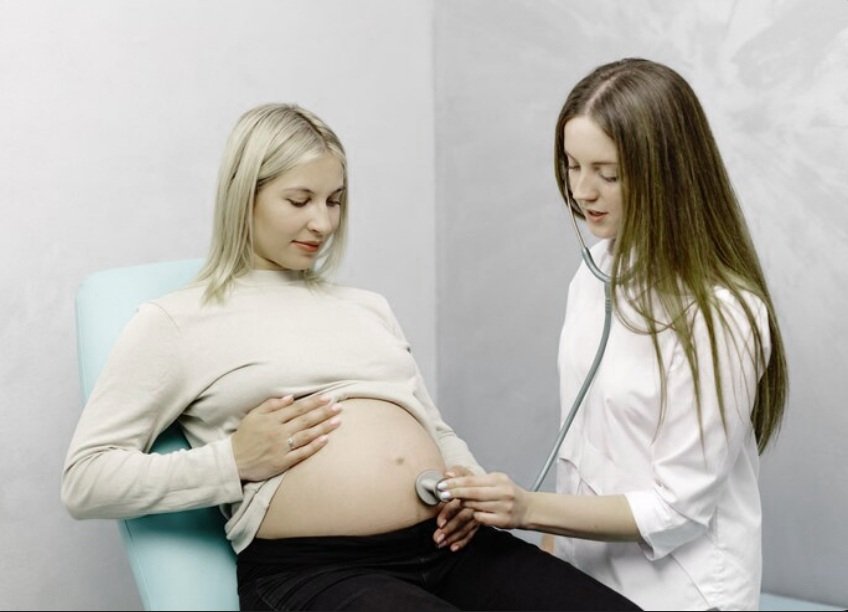
When your body begins to show changes whether after a missed period or following an abortion it’s normal to feel confused about what the symptoms really mean. Many women search for answers online, looking for clarity, support, and trustworthy information. They want to understand if their symptoms point toward early pregnancy or if they are simply normal after-abortion signs.
This guide will help you clearly differentiate the two, reduce confusion, and know when to reach out for abortion care services, whether in-person or through telehealth abortion care if needed.
Why Early Pregnancy and After-Abortion Symptoms Feel Similar
Both situations involve hormonal shifts especially changes in hCG, progesterone, and estrogen. Because of this, some women experience overlapping symptoms such as nausea, fatigue, mood changes, or spotting.
This confusion often happens due to:
- Hormones still leaving the body after abortion
- Stress impacting your menstrual cycle
- Irregular ovulation
- Lack of clear medical guidance
- Searching for “abortion care near me” without finding reliable answers
Learning the differences can help you feel more confident and less anxious.
1. Early Pregnancy Symptoms: What They Usually Look Like
Early pregnancy symptoms typically appear 1–3 weeks after conception. These signs gradually increase as pregnancy hormones rise.
Common Early Pregnancy Symptoms:
1. Missed Period
This is the earliest and most common sign. For women with regular cycles, even a few days of delay can be noticeable.
2. Implantation Spotting
Light spotting may occur when the fertilized egg attaches to the uterus. This usually happens 6–12 days after conception.
3. Breast Tenderness
Hormonal surges can make the breasts feel swollen, sensitive, or heavy.
4. Nausea or “Morning Sickness”
Nausea can strike at any time, especially around weeks 4–6.
5. Fatigue
High progesterone levels can cause deep tiredness, even if you’re getting enough sleep.
6. Heightened Sense of Smell & Food Aversions
Foods and fragrances that never bothered you before may start to feel intolerable.
7. Mood Swings
Hormonal changes may cause emotional sensitivity or quick shifts in mood.
These symptoms typically intensify over time rather than fade.
2. Normal After-Abortion Signs: What to Expect
After an abortion whether you accessed care in person or through telehealth abortion care your body needs time to adjust. Many women search for “abortion care services near me” to understand what’s normal in recovery.
Normal After-Abortion Signs Include:
1. Bleeding or Spotting
Light to moderate bleeding for 1–2 weeks is common. Bleeding may come and go.
2. Cramping
Your uterus is contracting to return to its normal size. Cramping may resemble strong period cramps.
3. Decreasing Pregnancy Symptoms
Even after abortion, some hormonal symptoms linger briefly:
- mild nausea
- breast tenderness
- mood changes
- fatigue
These gradually decrease as hCG levels fall.
4. Emotional Fluctuations
You may feel a mix of emotions relief, sadness, confusion, or calm. This is completely normal.
5. Period Returns in 4–8 Weeks
Hormonal balance and your natural cycle gradually normalize.
3. Major Differences Between Early Pregnancy & After-Abortion Signs
Understanding these differences can help you identify what your body is signaling.
Pregnancy symptoms grow stronger over time.
After-abortion signs fade gradually.
Key Differences:
| Early Pregnancy Symptoms | After-Abortion Signs |
| Missed period | Bleeding shortly after the procedure |
| Nausea increasing | Nausea decreasing |
| Breast tenderness increasing | Breast tenderness fading |
| Energy levels dropping | Energy improving gradually |
| Heightened smell sensitivity | Usually no heightened smell sensitivity |
| Mood swings due to rising hormones | Mood changes due to hormones stabilizing |
If symptoms intensify rather than decline, consider seeking guidance from a reliable abortion care service or a healthcare provider.
4. When to Take a Pregnancy Test Again
After an abortion, you may feel anxious about whether you’re still pregnant. This is one of the most common questions women ask when searching for abortion care near me.
Important things to know:
hCG can stay in your body for 2–4 weeks.
This means you might get a false positive if you test too soon.
You can ovulate as early as two weeks after abortion.
Pregnancy can occur again if you have unprotected sex.
Best time to test:
- 3–4 weeks after the abortion, or
- If your period has not returned after 8 weeks
If symptoms are increasing instead of decreasing, consider seeking professional support.
5. Warning Signs You Should Not Ignore
Seek medical help or contact your local abortion care services if you experience:
- Heavy bleeding (soaking 2 pads in one hour)
- Severe abdominal pain
- Fever or chills
- Foul-smelling discharge
- Symptoms that worsen instead of improving
- No period for 8–10 weeks
These could indicate infection or retained tissue.
6. Taking Care of Yourself Emotionally and Physically
Regardless of whether you’re experiencing early pregnancy signs or healing after abortion, your well-being matters.
Helpful Self-Care Tips:
- Rest and hydrate
- Avoid heavy lifting
- Eat nutritious meals
- Track symptoms in a journal or app
- Talk to someone you trust
- Reach out for professional support if you feel overwhelmed
If you prefer privacy or flexibility, telehealth abortion care can provide confidential support from home.
Final Thoughts
Understanding the difference between early pregnancy symptoms and after-abortion signs can give you clarity and peace of mind. While symptoms often overlap, their pattern helps you see what’s really happening. If you’re ever unsure, connecting with trusted abortion care services near me can provide reassurance, support, and accurate information.
You deserve compassionate care, whether you’re seeking answers, healing, or guidance for your next steps.




















Leave a Reply