

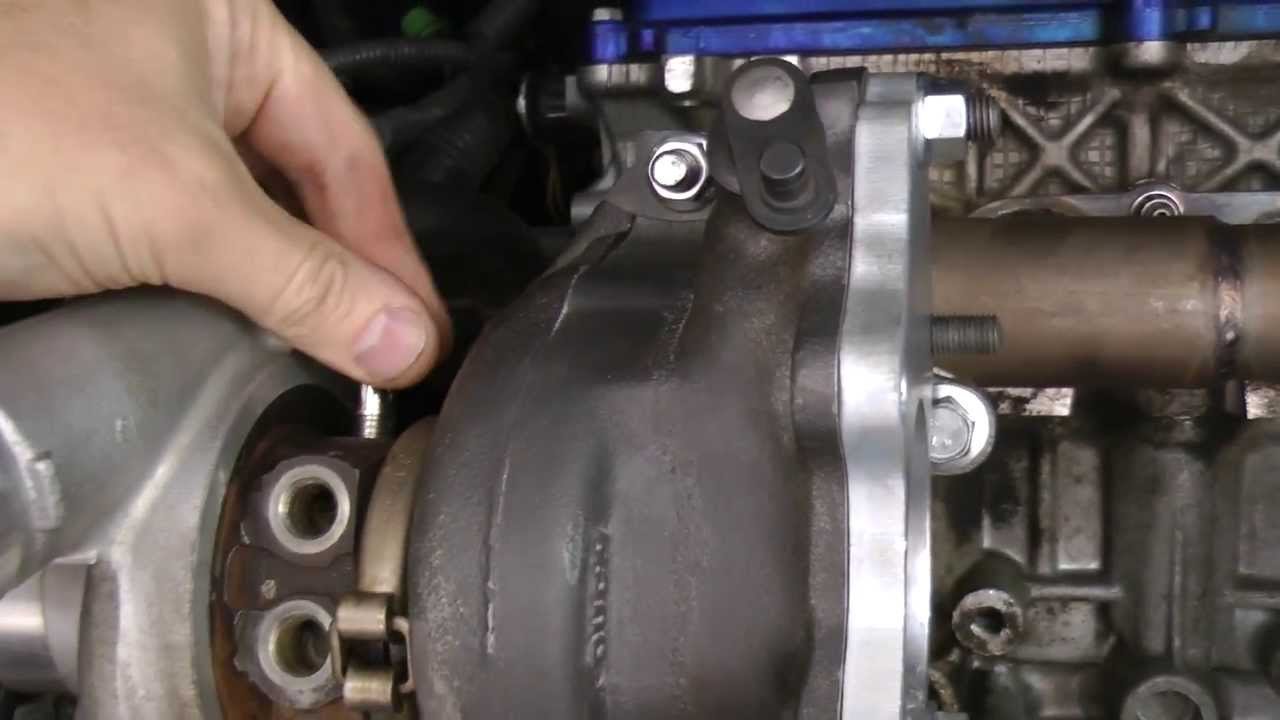
Have you ever wondered what truly goes on under the bonnet of a turbo car? Do you find yourself scrolling through social media groups, trying to piece together how turbocharger engines actually work? Maybe you’re unsure why everyone seems to stress the importance of a turbo oil supply line. If you’ve asked yourself any of these questions, you’re in the right place.
In this blog post, we’ll explore the world of turbochargers, focusing on the crucial role that turbocharger oil supply lines play in Australian conditions. We’ll discuss everything from the components of a turbocharger oil feed line and turbo oil return line to the practical considerations for installation and maintenance. Along the way, we’ll also talk briefly about turbo vs supercharger systems and explore why twin-scroll turbochargers might be the performance upgrade you’ve been searching for.
By the time you reach the end, you’ll have a solid understanding of turbo oil supply lines, how to recognise potential issues, and what to do when something goes wrong. Let’s get started!
What Are Turbochargers and How Do They Work?
This compressor wheel then pushes more air into the cylinders, allowing more fuel to be burned and thus creating a stronger explosion. In simpler terms, more air plus more fuel equals more power. It’s a simple equation, but the engineering behind it can be quite intricate.
Turbocharger engines gained popularity because they deliver impressive performance while remaining relatively efficient. Thanks to the turbo’s ability to reuse exhaust gases, engines can produce greater power outputs without needing drastically larger engine displacements. It’s a bit like recycling: using something that’s otherwise wasted to drive further power.
Defining the Turbo Oil Supply Line
The turbo oil supply line is a specific hose intended to transport engine oil from the engine block or oil filter assembly to the turbocharger. This line is crucial for a turbo’s operation, as oil not only lubricates the rapidly spinning turbo shaft but also assists in cooling it. These lines are often made from materials that can withstand high pressure and heat, such as braided steel or durable rubber.
Any issues in your turbocharger oil feed line can lead to extreme friction in the turbo’s bearings and possible overheating. Because turbos spin at incredibly high speeds—often exceeding 100,000 RPM—lack of lubrication can cause catastrophic damage. That’s why choosing the right oil line is critical for any turbocharged engine setup.
Types of Turbocharger Oil Supply Lines
1. Rubber vs Braided Lines: Pros and Cons
When selecting a turbo oil supply line, your first decision often revolves around material—rubber or braided steel. Rubber lines tend to be more cost-effective and easier to fit, but they may not withstand high temperatures and pressures as effectively as braided lines. Over time, rubber lines can degrade or even collapse internally, reducing oil flow.
Braided steel lines, by contrast, are robust and able to handle the mechanical stresses typical in a turbocharged engine bay. They’re particularly popular in performance builds due to their durability. However, they can be a bit pricier and less flexible to manoeuvre compared with standard rubber lines. For many Australian enthusiasts seeking a balance of cost and longevity, braided lines are often seen as the superior choice.
2. Custom vs Off-the-Shelf Lines in Australia
In Australia, numerous local shops can fabricate custom turbo oil feed lines that cater specifically to your vehicle’s setup. Custom lines are helpful if you have a unique turbo kit or if you’ve made significant modifications to your engine bay. They let you specify the length, diameter, and types of fittings required, ensuring a tailor-made fit.
Many major performance retailers offer pre-made oil feed and return lines. If your setup is fairly standard or you’re using a well-known turbo brand, an off-the-shelf line could be all you need. The key is to double-check compatibility and quality, making sure the line will handle the temperatures and pressures your turbo is likely to produce.
3. High-Performance Options for Twin-Scroll Turbochargers
Twin-scroll turbochargers are popular for their faster spool times and enhanced efficiency, thanks to a separate design for exhaust gas pulses. If you’re looking at high-performance twin-scroll turbos, you might also consider high-grade oil feed lines, possibly featuring advanced heat shielding or specialised fittings to cope with the turbo’s higher demands.
Because twin-scroll systems can be more complex, it’s essential to choose oil lines that fit seamlessly and allow for unimpeded oil flow. Some twin-scroll turbos have distinct oil requirements, making it even more important to consult the manufacturer’s specifications.
Selecting the Right Turbo Oil Supply Components
1. Finding Quality Oil Lines: What to Look For
Look for lines that are rated for the temperatures and pressures your turbo engine will see. Braided stainless steel lines are generally a safe bet, offering top-notch durability. Check the compatibility of the fittings—some turbos require specific thread types or angles. Make sure that any relevant gaskets or O-rings are included and are made from heat-resistant materials.
Reading product reviews and speaking with local tuners or mechanics can also provide useful insights. A budget line that ruptures can cost you far more in a ruined turbo or engine repairs than a slightly pricier yet more reliable line.
2. Price vs Performance: Balancing Budget and Durability
Though it’s tempting to cut corners, especially if you’re already investing in an aftermarket turbo, the repercussions of a low-grade oil line can be severe. If your line fails, you’re not just looking at replacing the line—it could mean a whole new turbo or, worse, an engine rebuild. Weigh up your budget carefully and consider the long-term benefits of investing in durable, reputable lines.
In some cases, off-the-shelf kits offer a balanced approach, delivering decent quality at a fair price. For those with heavily customised setups, a fully tailored line may be worth the extra cost. Thinking in the larger scheme—power, reliability, and peace of mind—often tips the scales in favour of better-quality components.
3. How to Ensure Compatible Fittings and Restrictors
Always note the thread size and pitch recommended by your turbo’s manufacturer. If you’re uncertain, consult a specialist or verify with the turbo brand’s technical details. Even small discrepancies in fittings can cause leaks or restricted flow. Also, ensure your turbo oil restrictor, if needed, is specifically matched to your turbo’s oil requirements.
A simple test is to install the line and crank the engine without fully starting it. This will allow you to observe oil flow, checking for leaks or blockages. If not, address any mismatched parts before running the engine at full load.
Conclusion
It’s clear that turbocharger oil supply lines aren’t just an accessory—they’re an essential component in keeping your turbo engine running smoothly. From understanding the difference between turbo and supercharger systems to choosing the right oil feed and return lines, we’ve covered all the bases. A well-selected and carefully installed turbo oil supply line helps manage heat, maintain lubrication, and unlock the performance potential of your turbocharged engine.
Whether you’re driving a twin-scroll turbo monster or considering a switch from naturally aspirated power, paying attention to the finer details—like the type of oil line and the use of a turbo oil restrictor—can save you from hassles down the road. Here in Australia, conditions can be extreme, so opting for robust materials and proper routing is vital. By taking the time to do it right, you’ll enjoy the best blend of power, reliability, and excitement from your turbo car.
Ready to put this knowledge into action? Keep a close eye on your oil lines, replace them if they show signs of wear, and don’t hesitate to consult a specialised workshop if you’re unsure. If you’re thinking of upgrading to a bigger turbo or moving from a naturally aspirated setup, go for components that can handle the new performance level. Look after your turbocharger oil supply lines, and they’ll reward you with the thrilling world of turbocharged engines—one spirited drive at a time.


















Leave a Reply