


When it comes to planning your dream home, one of the first and most important decisions you’ll face is choosing the type of house you’d like to build or purchase. With countless options available, selecting the perfect home is more than just about following trends—it’s about finding a design that suits your lifestyle, accommodates your family, and aligns with your budget. From urban apartments to rural bungalows, understanding the top types of houses can help you make an informed decision that complements both your dreams and your finances.
In this article, we’ll explore some of the types of houses you can consider when designing or buying your dream home. We’ll also discuss their affordability, highlight different housing styles, and touch upon factors like location (including rural areas). Additionally, we’ll provide insight into financial options such as a home loan for rural areas, which can make building or buying a house in a less urban location a viable and cost-efficient choice.
1. Single-Family Detached Houses
One of the most common types of houses, especially in suburban neighborhoods, is the single-family detached house. These homes are standalone structures that offer complete independence and privacy. Families often favor this type because they allow for personal space, a backyard, and flexibility in design.
Affordability
The cost of building or buying single-family homes can vary greatly depending on the location. Urban areas will demand higher prices, whereas in rural areas, a single-family home could be much more affordable. Financing such homes isn’t difficult as various types of home loans cater to this category, including government-backed loans for moderate-income borrowers.
2. Apartments and Condominiums
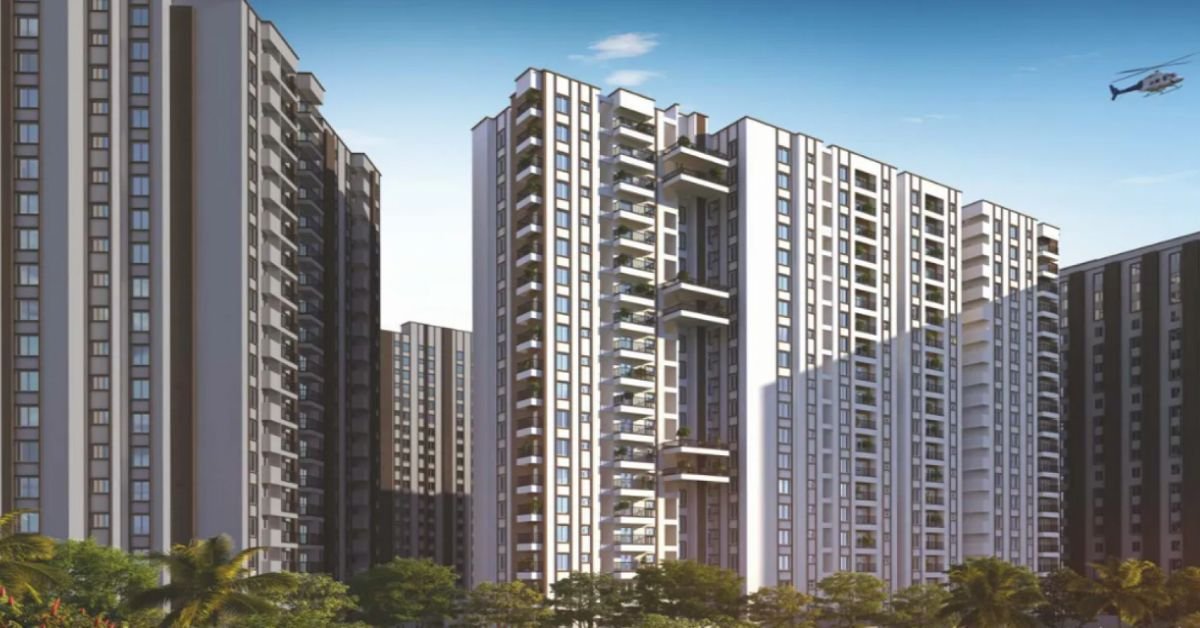
If convenience and minimal maintenance appeal to you, apartments and condos should be on your list of considerations. These types of houses are often found in densely populated regions. They are perfect for those who want to fully enjoy modern amenities, all while living close to business centers, schools, and public transportation.
Affordability
Condos and apartments generally cost less than single-family homes, making them a more budget-friendly option for first-time homebuyers or individuals living in cities. Shared maintenance responsibilities further reduce ownership costs. However, keep in mind that monthly fees (such as homeowner association charges) could add to the overall expense.
3. Townhouses
Townhouses are an excellent option for families looking for something in between an apartment and a single-family home. These homes typically share one or two walls with neighboring units but often come with individual outdoor spaces like small backyards or terraces.
Affordability
Townhouses are often less expensive than detached houses because they utilize shared walls to save on construction costs. Since they are compact and maximize land use, they can often be found closer to cities. For rural areas, this housing type might be less common, though you can design a townhouse-style residence with a home loan for rural areas to minimize costs.
4. Bungalows
For those who prefer single-story homes that feel cozy yet spacious, bungalows are a fantastic choice. Popular for their accessibility and ease of maintenance, bungalows are especially suited for families with elderly members or small children who would benefit from avoiding stairs. They are versatile and can be constructed in rural or suburban areas.
Affordability
Since bungalows have a single-story design, they generally cost less to construct than multi-story homes. The affordability also improves when they are built in rural areas where land is cheaper. A home loan for rural areas is a suitable option if you wish to make bungalow construction both practical and cost-effective.
5. Farmhouses
If you’ve always dreamed of living in a home surrounded by natural beauty, a farmhouse could be your ideal choice. Farmhouses, often large and rustic, are found in rural settings and complement people who value privacy and tranquility.
Affordability
Farmhouses can be surprisingly affordable—especially in the countryside where land costs are low. However, maintenance and overall construction could be expensive depending on size and design. Using a home loan for rural areas can significantly ease the financial burden of buying or building a farmhouse.
6. Tiny Houses
In recent years, the concept of tiny houses has gained immense popularity. These compact, minimalist-style homes are designed for efficiency, making them perfect for individuals or small families looking to downsize and embrace a simpler lifestyle.
Affordability
Tiny houses are one of the most affordable housing options since their small size translates to lower construction costs. Additionally, you could potentially avoid taking out large loans or mortgages when pursuing this type of home. In rural areas, where property taxes and land expenses are less, tiny houses make even more financial sense.
7. Duplex Homes
A duplex home consists of two residential units under a single roof, each with its own private entrance. This type of housing is ideal for families wanting to live close together or for prospective investors hoping to rent out extra living space.
Affordability
Duplexes often provide financial flexibility, as the second unit could generate rental income to offset expenses. In rural locations, duplex designs are well-suited for properties with plenty of space and available financing such as home loans for rural areas.
Factors to Consider When Choosing Among Types of Houses
1. Lifestyle Needs
Before finalizing the type of house, consider your specific lifestyle requirements. For instance, a townhouse or apartment may suit people who prioritize work-life balance, while bungalows and farmhouses are better for those seeking solitude and outdoor spaces.
2. Location
Location plays a massive role in affordability and the type of house that’s most practical. If considering a rural setting, be sure to research eligibility for financial schemes such as government-backed housing options or a home loan for rural areas.
3. Budget
Different types of houses come with different costs for land, materials, and labor. Assess your financial capacity upfront to select an option that aligns with your resources.
4. Sustainability
With eco-friendly housing and energy-efficient materials gaining popularity, you might also want to consider environmentally friendly features in your design. Tiny homes and modern apartments often integrate sustainable living solutions, reducing both costs and your carbon footprint.
The Role of Home Loans for Rural Areas
For those considering building or buying their dream home in a countryside setting, a home loan for rural area can be especially beneficial. These loans often come with lower interest rates, flexible repayment schedules, and government incentives. Whether you’re constructing a farmhouse, a bungalow, or a duplex in a serene location, such loans can make rural home ownership far more achievable.
Conclusion
By exploring the types of houses available, you can find a design and setup that suit your lifestyle while staying within your budget. From single-family homes and townhouses to bungalows and farmhouses, the perfect type of housing for you depends on personal needs, financial preparedness, and location preferences. For those considering rural living, there are financial benefits like home loans for rural areas that make achieving your dream home feel more attainable, even in tranquil countryside settings.
Choosing your dream home is about more than just selecting a building—it’s about crafting a lifestyle. With proper research, budget planning, and utilization of resources like home loans for rural areas, your dream home can become your reality.

















Leave a Reply