


CNC (Computer Numerical Control) machining has revolutionized modern manufacturing by enabling precision, efficiency, and repeatability in production processes. Industries across the globe are increasingly relying on quality CNC machining solutions to meet stringent standards and deliver complex parts with high accuracy. From aerospace to medical devices, CNC machining plays a critical role in ensuring that components meet design specifications while reducing lead times and costs.
The versatility and adaptability of CNC machines make them suitable for handling a wide range of materials, including metals, plastics, composites, and ceramics. Advanced CNC systems can produce intricate geometries that would be impossible or cost-prohibitive with traditional manufacturing methods. As industries continue to demand higher precision and reliability, the reliance on quality CNC machining solutions is becoming more pronounced, driving technological advancements and the adoption of best practices in manufacturing.
Aerospace Industry
The aerospace industry demands the highest levels of precision, safety, and performance in its components. Aircraft parts, including engine components, landing gear, and structural elements, must adhere to exacting tolerances to ensure operational safety and efficiency. Quality CNC machining solutions are essential in producing these high-precision components, offering unparalleled accuracy and consistency that manual methods cannot match.
Moreover, the aerospace sector often requires materials such as titanium, aluminum alloys, and high-strength composites, which are challenging to machine. CNC machining provides the capability to work with these materials efficiently while maintaining structural integrity. The repeatability offered by CNC machines ensures that every component produced meets the strict standards required for aerospace certification, reducing the risk of defects and costly recalls.
Automotive Industry
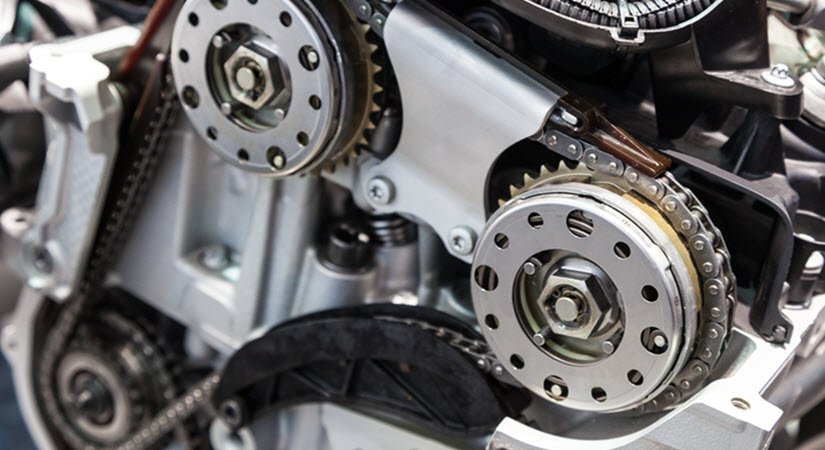
The automotive industry is another sector heavily reliant on quality CNC machining solutions. From engine blocks and transmission components to custom body parts and high-performance exhaust systems, CNC machining enables manufacturers to produce parts that meet stringent quality and performance requirements. Precision machining allows for tighter tolerances, smoother finishes, and better fitting assemblies, which are critical for both safety and vehicle efficiency.
Additionally, CNC machining supports innovation in automotive design by allowing rapid prototyping and small-batch production. Automakers can quickly test new designs, optimize performance, and scale production without compromising quality. This flexibility has become increasingly important as the automotive industry embraces electric vehicles and autonomous driving technologies, which demand specialized components manufactured with high precision.
Medical Device Industry
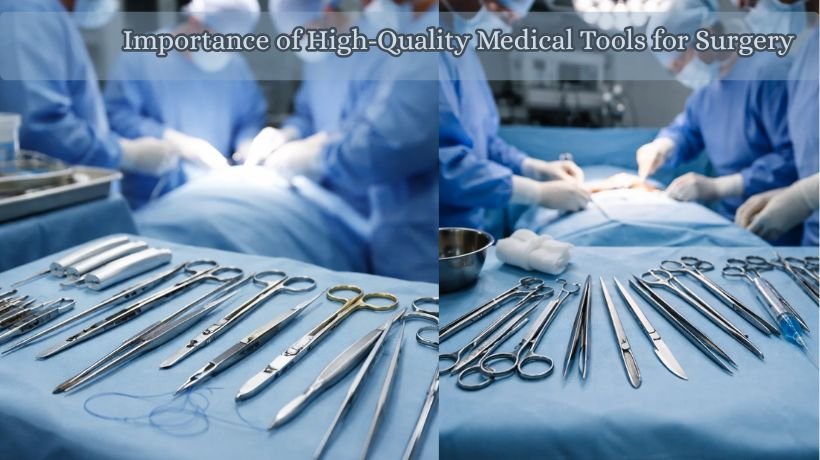
Medical devices, implants, and surgical instruments require extreme accuracy and reliability, making quality CNC machining solutions indispensable in the healthcare sector. Components such as orthopedic implants, dental prosthetics, and surgical tools must meet strict regulatory standards, including biocompatibility and durability, which CNC machining can consistently achieve. The ability to create intricate designs and smooth finishes ensures the safety and effectiveness of these medical products.
CNC machining also enables customization, which is crucial in medical applications. For example, patient-specific implants and prosthetic devices can be manufactured to exact specifications, improving outcomes and patient comfort. The repeatability and precision of CNC machines reduce the likelihood of errors, ensuring that each medical device meets rigorous performance standards while complying with industry regulations.
Electronics and Technology Industry
The electronics and technology sector relies heavily on quality CNC machining solutions for producing components such as circuit boards, enclosures, connectors, and heat sinks. As electronic devices become smaller and more sophisticated, the need for precision machining increases. CNC machines allow manufacturers to produce complex geometries with tight tolerances, ensuring that electronic components fit perfectly and function reliably.
Moreover, CNC machining supports rapid prototyping and high-volume production in the tech industry. Companies can quickly iterate designs, test prototypes, and scale production to meet market demands without sacrificing quality. The combination of precision, efficiency, and flexibility offered by CNC machining is essential for the fast-paced development cycles typical of the electronics and technology sector.
Energy and Industrial Equipment
Energy production and industrial equipment sectors are increasingly turning to quality CNC machining solutions for critical components such as turbine blades, pumps, valves, and drilling equipment. These components often operate under extreme conditions, including high temperatures, pressures, and corrosive environments. CNC machining provides the precision and consistency needed to manufacture parts that can withstand such demanding conditions.
In addition to durability, CNC machining allows for the production of complex shapes and features that enhance performance and efficiency in industrial applications. From renewable energy turbines to oil and gas equipment, high-quality CNC machined components are essential for reliability and longevity. The ability to produce these components quickly and accurately helps companies reduce downtime and maintenance costs, driving overall productivity and competitiveness in the industry.
Conclusion
The adoption of quality CNC machining solutions spans multiple industries, from aerospace and automotive to medical devices, electronics, and energy production. The precision, efficiency, and flexibility offered by CNC machining make it an indispensable tool for modern manufacturing, allowing companies to meet exacting standards, innovate rapidly, and maintain a competitive edge.
As industries continue to demand higher performance and reliability from their components, the reliance on CNC machining is set to grow further. Companies investing in advanced CNC technology and skilled operators can achieve superior quality, reduce waste, and respond more quickly to market demands. Ultimately, quality CNC machining solutions remain a cornerstone of innovation, precision, and operational excellence across a wide range of industries.
















Leave a Reply