The Science Behind Menstrual Cycle Tracking in Smartwatches
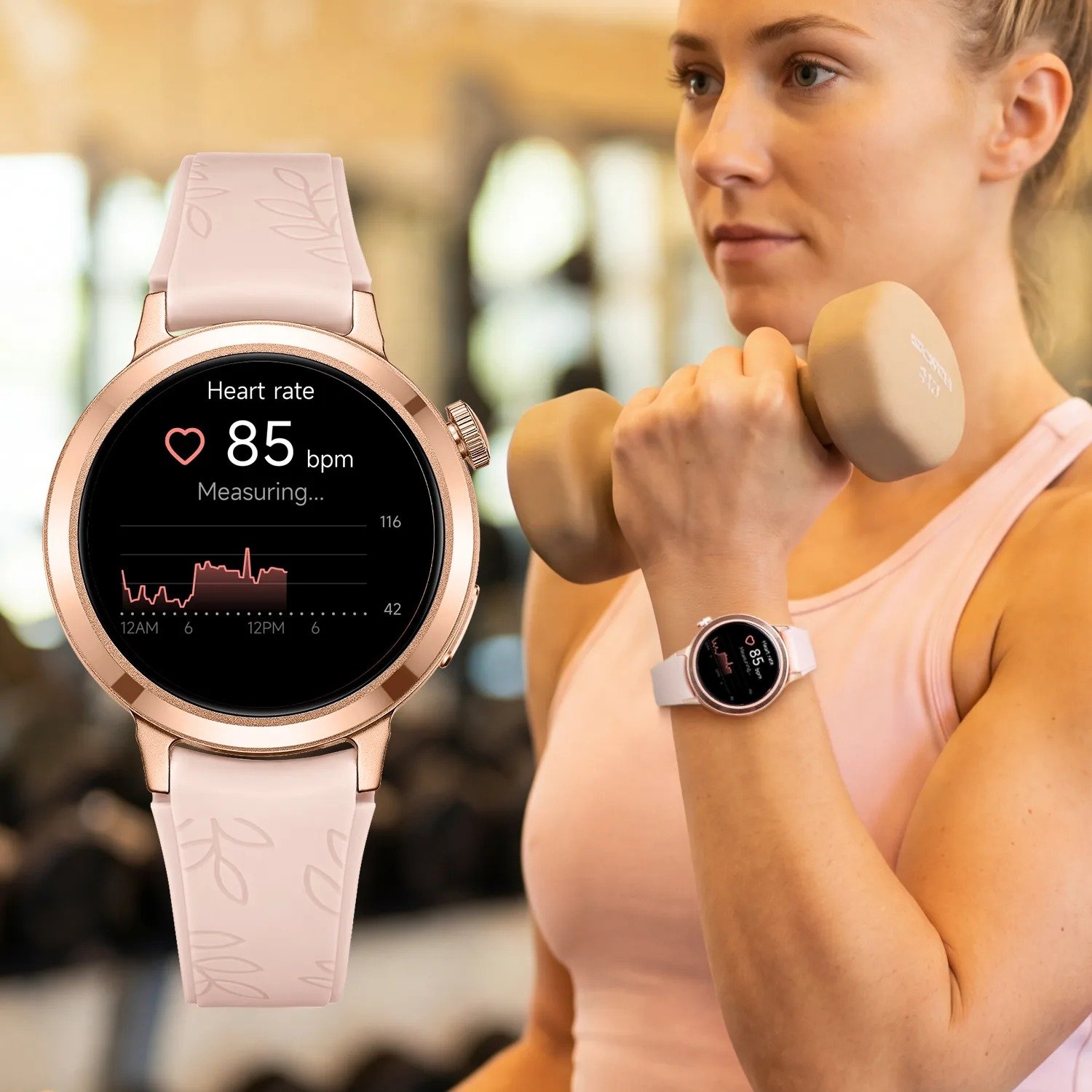
In recent years, wearable technology has revolutionized personal health management. Among the most impactful innovations is the period tracking smartwatch—a device that merges sophisticated science with practical usability to help women take control of their menstrual health. This article explores the scientific mechanisms that enable smartwatches to track menstrual cycles, covers the advantages of this technology, and concludes by recommending the FANY silicone series women’s smartwatch, a cutting-edge option for anyone seeking an intuitive and reliable period tracking experience.
Unpacking the Menstrual Cycle: What Needs to be Tracked?
The menstrual cycle is a complex interplay of hormones, physiological changes, and behavioral patterns. Typically ranging between 21 and 35 days for most women, the cycle consists of several distinct phases: menstrual, follicular, ovulation, and luteal. Each phase is characterized by specific hormonal changes:
- Menstrual Phase: Shedding of the uterine lining, marked by bleeding.
- Follicular Phase: Preparation of the egg, regulated by increasing estrogen.
- Ovulation: Release of the mature egg, usually around the midpoint, triggered by a surge of luteinizing hormone (LH).
- Luteal Phase: Preparation of the uterus for pregnancy, dominated by progesterone.
Tracking these phases isn’t only about marking calendar dates. Accurate period tracking involves monitoring symptoms, patterns, and sometimes physiological signals—areas where a period-tracking smartwatch excels with modern scientific techniques.
How Period Tracking Smartwatches Work: The Core Technologies
Manual Data Logging and Pattern Recognition
The primary foundation of a period-tracking smartwatch is manual data input by the user. At setup, users enter their last period’s start date and the typical cycle length. Over time, regular input allows the smartwatch to recognize patterns and predict upcoming menstrual events. Artificial intelligence and machine learning algorithms analyze this data. By correlating historical cycles with current inputs, the device can adapt predictions for ovulation, period onset, and symptom likelihood.
Sensor-Based Physiological Monitoring
Advanced period tracking smartwatches go beyond manual logs to collect physiological data. Common sensors include:
- Heart Rate Monitor: Fluctuations in heart rate can often align with hormonal changes. Research indicates that resting heart rate tends to increase around ovulation. Body Temperature Sensor: Basal body temperature (BBT) typically rises slightly after ovulation due to progesterone. Sleep and Activity Tracking: Hormonal shifts can affect sleep quality and physical activity. Smartwatches analyze these trends to provide more context for cycle tracking.
Symptom Tracking and AI Integration
Smartwatches allow users to log symptoms such as cramps, headaches, mood changes, bloating, and more. By combining this subjective data with objective sensor readings, the device’s AI algorithms create a nuanced, personalized menstrual profile.Over months, this profile becomes increasingly detailed:
- Pattern Mapping: The AI identifies recurring symptoms and their correlation with specific cycle phases.
- Predictive Analytics: The smartwatch refines its predictions with each new piece of data, accommodating irregular cycles and unexpected changes.
The Biological Signals Behind Menstrual Tracking
The science behind period tracking smartwatches rests on the biological signals that accompany hormonal shifts. Here’s how technology leverages those signals:
- Hormones and Heart Rate: As estrogen and progesterone levels change, cardiovascular responses are measurable through continuous heart rate monitoring.
- Temperature Fluctuations: Small increases in BBT can signal post-ovulation. Precise sensors detect these shifts, adding depth to ovulation predictions.
- Sleep Disruption: Many women report sleep disturbances during premenstrual or menstrual phases. By tracking sleep architecture, a period-tracking smartwatch can provide additional clues about cycle status.
These signals, when combined and analyzed using sophisticated algorithms, enable smartwatches to deliver actionable insights rather than just simple reminders.
Privacy, Security, and Accuracy
Women’s health data is highly sensitive. Science is only useful when paired with trust. Major period tracking smartwatch manufacturers employ encryption and strict privacy controls, ensuring that cycle data is secure and that users retain control over their information. Always review privacy policies before activating period tracking features.
As for accuracy, period-tracking smartwatches have evolved rapidly. With consistent use, their predictions are refined and personalized, making them more reliable than standalone calendar apps or manual logs. Nevertheless, for medical decisions or fertility planning, these devices are best used as supplementary tools alongside professional advice.
The Benefits of Scientific Period Tracking via Smartwatch
- Empowerment: Continuous cycle tracking allows users to anticipate changes, manage symptoms, and plan life events.
- Health Awareness: Long-term patterns may reveal irregularities or health issues to discuss with a healthcare provider.
- Holistic Insights: Integrating menstrual data with exercise, sleep, and stress metrics enables smarter lifestyle choices.
- Fertility Planning: Accurate ovulation predictions and insights into cycle regularity are invaluable for those trying to conceive.
What to Look for in a Period Tracking Smartwatch
Science-backed period tracking requires the following:
- Reliable sensors for heart rate and temperature.
- Intuitive symptom logging interface.
- Adaptive algorithms that refine predictions over time.
- Comfort for daily wear and hypoallergenic materials.
- Data privacy and export options.
Recommended: FANY Silicone Series Women Smartwatch
For those seeking both scientific accuracy and practical comfort, the FANY silicone series women’s smartwatch stands out. Designed with women’s health in mind, it offers advanced period tracking features that utilize sensor data, symptom logging, and intelligent cycle predictions.
The silicone strap makes all-day wear comfortable and irritation-free, while the smartwatch’s easy-to-use interface accommodates manual input and automatic tracking. Whether you’re monitoring regular cycles or navigating changes, the FANY silicone series women’s smartwatch delivers actionable insights and timely alerts. It blends style, science, and reliability—perfect for women who want to stay informed.
Conclusion
Period tracking smartwatches harness scientific advances in sensors, artificial intelligence, and data analytics to provide meaningful menstrual health insights. With regular use, they help women anticipate their cycles, manage symptoms, and make informed wellness choices. If you’re ready to embrace this technology, consider the FANY silicone series women’s smartwatch—a scientific, stylish, and comfortable way to track your period, understand your body, and navigate your health journey with confidence.
About The Author