

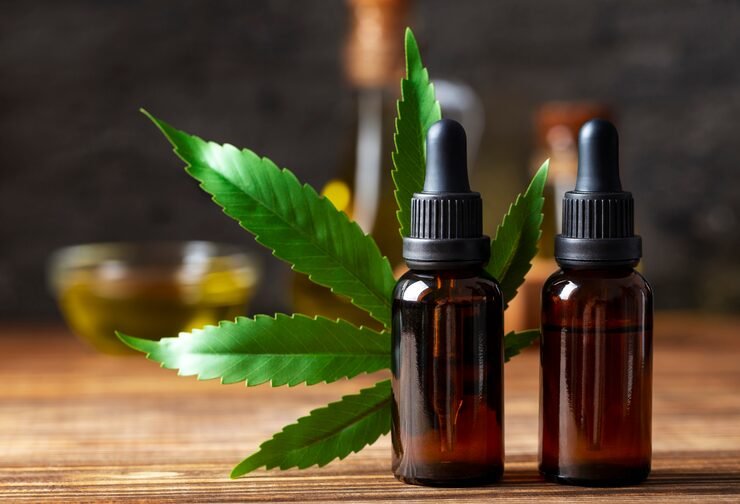
The global wellness industry has experienced remarkable transformation as plant-derived compounds increasingly attract consumer attention. Among these compounds, cannabidiol has emerged as one of the most discussed botanical ingredients within health and lifestyle conversations worldwide. Derived primarily from industrial hemp plants, cannabidiol represents a naturally occurring compound belonging to the cannabinoid family. Researchers and wellness enthusiasts have explored its potential for supporting relaxation, balance, and general well-being without intoxicating effects.
As consumer interest expanded, manufacturers introduced multiple product types designed to deliver cannabidiol through diverse formulations. Oils, capsules, topical creams, edibles, and beverages now incorporate cannabinoids to address different lifestyle preferences. However, the expanding market has also introduced complexity, particularly regarding cannabinoid extraction and formulation methods. Consumers frequently encounter terminology such as “isolate,” “full-spectrum,” and “broad-spectrum” CBD when evaluating products.
Understanding these distinctions becomes essential for anyone exploring hemp-derived wellness products responsibly and confidently. Each cannabinoid formulation contains unique characteristics affecting purity, composition, and potential interactions within the body. Among these options, CBD isolate has gained considerable popularity due to its exceptional purity and straightforward formulation profile. This form contains only cannabidiol molecules separated from all other plant compounds during specialized extraction processes.
What Is CBD Isolate and How It Is Produced
CBD isolate represents the purest form of cannabidiol available within modern cannabinoid product formulations. During production, manufacturers remove every other compound present within the hemp plant, leaving only crystalline cannabidiol molecules. The resulting substance typically appears as a fine white powder or crystalline solid containing cannabidiol concentrations approaching ninety-nine percent purity. Because all other plant compounds have been removed, the material contains no detectable tetrahydrocannabinol or aromatic terpenes.
Producing CBD isolate requires advanced extraction and refinement technologies capable of separating individual plant compounds precisely. The process usually begins with carbon dioxide extraction, which isolates cannabinoids from raw hemp biomass. Following initial extraction, manufacturers apply several purification techniques designed to remove waxes, chlorophyll, and other plant compounds. These purification steps significantly increase cannabidiol concentration while eliminating unwanted components.
Subsequently, specialized crystallization processes allow cannabidiol molecules to solidify into isolated crystalline structures. During this stage, chemists carefully control temperature and solvent conditions to encourage cannabinoid crystallization. Once crystallization concludes, technicians filter and dry the resulting material until pure cannabidiol crystals remain. These crystals represent the final isolate ingredient used within numerous hemp-derived wellness products.
Because of its purity, CBD isolate provides manufacturers with exceptional formulation flexibility. Product developers can incorporate precise cannabidiol quantities into oils, capsules, beverages, cosmetics, or edible items without interference from other cannabinoids.
Exploring Full-Spectrum CBD and the Entourage Effect
While isolate formulations emphasize purity, full-spectrum CBD products focus on preserving the diverse chemical profile naturally present within hemp plants. These formulations typically contain multiple cannabinoids, aromatic terpenes, flavonoids, and other plant compounds. Full-spectrum extracts originate from whole-plant hemp extraction processes designed to maintain the natural complexity of the plant’s chemical composition. Rather than isolating a single cannabinoid, manufacturers retain a broader range of naturally occurring compounds.
Among these compounds may be trace amounts of tetrahydrocannabinol, although concentrations remain below legal regulatory thresholds. These minimal THC levels do not produce intoxicating effects but may contribute to cannabinoid synergy. Researchers often describe this synergy using the term “entourage effect,” which refers to interactions among multiple plant compounds. According to this theory, cannabinoids and terpenes may work together, potentially influencing overall physiological responses.
Terpenes, the aromatic molecules responsible for hemp’s distinctive fragrance, may play an especially interesting role in this interaction. Different terpene combinations produce unique aromas while possibly influencing mood, alertness, or relaxation. For example, compounds such as limonene, myrcene, and pinene appear frequently within hemp extracts and other botanical sources. These aromatic molecules contribute subtle flavor notes while adding complexity to cannabinoid formulations.
Key Differences in Composition, Effects, and Consumer Preferences
Comparing isolate and full-spectrum formulations requires careful consideration of composition, potential interactions, and consumer priorities. Although both products originate from hemp plants, their chemical structures differ significantly. CBD isolate contains only purified cannabidiol molecules, whereas full-spectrum extracts preserve multiple cannabinoids and aromatic compounds simultaneously. This difference influences how each product interacts with individual consumer expectations.
Because isolate removes every compound except cannabidiol, it offers the highest possible cannabinoid purity. This feature appeals strongly to consumers seeking simplicity and precision within their wellness routines. In contrast, full-spectrum extracts emphasize botanical complexity rather than chemical isolation. Supporters believe maintaining natural plant compounds may influence how cannabinoids function collectively within the body. Another important distinction involves tetrahydrocannabinol content. Full-spectrum extracts typically include trace THC levels below federally permitted thresholds, while isolate products contain none whatsoever.
This neutrality allows manufacturers to incorporate CBD isolate into beverages, edibles, and skincare formulations without altering taste profiles significantly. Product developers often value this flexibility when designing consumer-friendly products. However, consumer education remains crucial within this evolving marketplace. Individuals exploring cannabinoid products benefit from reliable information explaining formulation differences and potential implications.
For instance, knowledgeable staff within specialized retail environments frequently guide consumers through these distinctions when evaluating available products. Conversations at places like CBD store Pinellas Park often help newcomers understand how isolate purity compares with the broader chemical composition present within full-spectrum hemp extracts. Such educational interactions play an important role in building consumer confidence and encouraging responsible product selection. As cannabinoid markets mature, education will remain central to industry credibility.
Ultimately, consumer preference often determines which formulation feels most appropriate for individual lifestyles. Some people prioritize purity and consistency, while others appreciate botanical complexity and potential synergistic interactions.
The Future of Cannabinoid Products and Consumer Education
As scientific research progresses and regulatory frameworks evolve, the cannabinoid industry continues entering a period of remarkable transformation. Researchers, manufacturers, and policymakers increasingly collaborate to establish clearer standards guiding product safety and transparency. Within this evolving environment, consumer education has become a central pillar supporting responsible cannabinoid market growth. Individuals exploring hemp-derived products require accurate information regarding formulation differences, dosage considerations, and quality standards.
Laboratory testing will remain especially critical for ensuring product reliability and regulatory compliance. Third-party verification allows manufacturers to confirm cannabinoid concentrations while identifying potential contaminants. These testing practices enhance consumer trust, which represents one of the most valuable assets within emerging wellness industries. Transparent labeling and accessible laboratory reports empower individuals to evaluate products confidently.
Meanwhile, advances in extraction technology continue improving cannabinoid refinement processes. Researchers constantly explore new techniques capable of isolating or preserving plant compounds more efficiently and sustainably. Such innovations may eventually create even more sophisticated cannabinoid formulations tailored toward specific consumer needs. Personalized wellness products represent a fascinating possibility as scientific understanding continues expanding.
In this future landscape, CBD isolate will likely maintain a strong presence due to its unmatched purity and formulation flexibility. Its simplicity allows manufacturers to create precisely dosed products compatible with diverse consumer lifestyles.






















Leave a Reply