

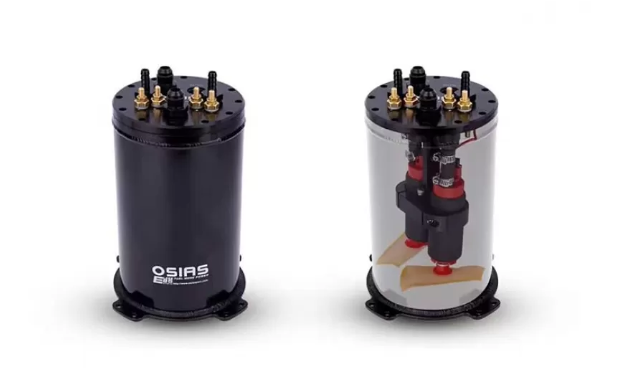
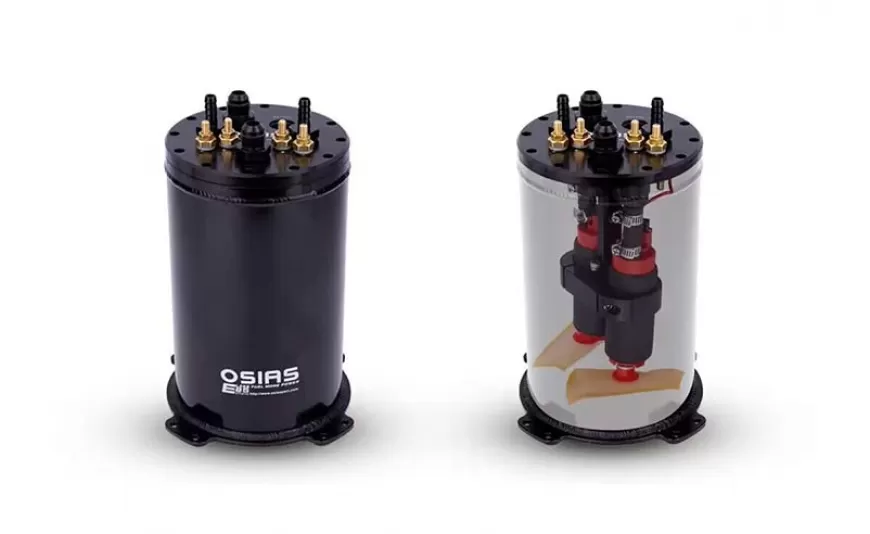
A surge tank is a specialized reservoir installed in many high-performance turbocharged vehicles for maintaining fuel delivery surge tank purpose and stable pressure in the fuel system. It’s a secondary tank storing excess fuel so the engine is constantly supplied under any driving condition. Conversely, the primary specification of a surge tank is for the prevention of fuel starvation during rapid acceleration, cornering, or steep inclination of the vehicle.
Availing a Constant Supply To The Engine
The surge tank’s principal idea is how the fuel is supplied uniformly to the engine. For high-performance cars, fuel demand can be so changeable that even conventional fuel pumps can’t provide the necessary constant pressure. The surge tank keeps fuel nearby to the engine for greater availability to fulfill the demand so the fuel pump can work more efficiently and feed fuel to the injectors without delay. This process is core to an engine that requires much fuel flow, such as turbocharged or modified engines.
Preventing Fuel Starvation
Fuel starvation occurs when an extreme driving condition makes it impossible for the engine’s fuel system to push fuel into the engine. Rapid acceleration, tight corners, or sudden changes in vehicle orientation can pull fuel away from the fuel pump pickup in the main tank, temporarily lowering fuel pressure. The surge tank is used to cushion this: ensuring a steady flow of fuel to the engine and not putting the engine at risk for misfire, power loss, or even worse.
Fuel Pressure Stabilization
Another aim of a surge tank is fuel pressure stabilization. High-performance engines are quite sensitive to rapid changes in fuel pressure-and these changes have serious implications for performance and efficiency. The surge tank creates a dedicated fuel reservoir adjacent to the engine to aid in absorbing pressure drops, allowing the fuel pump to establish a uniform flow. The stable flow ensures that the injectors require the same fuel quantity necessary for ideal combustion under all conditions.
Support for High-Performance or Modified Engines
Basically, the turbocharged engine or fuel system with enhanced output has to use the surge tank. Since modifications bring in substantial extra demand for fuel, the stock fuel system probably won’t be able to cope with sudden spikes in consumption. With the addition of a surge tank, enthusiasts can happily increase fuel flow while keeping the engine operational and protected from fuel-shortage damage. An essential fixture in the realm of motorsports and for any car that requires an optimal consistent fuel supply.
Benefits Beyond Fuel Delivery
A surge tank has many benefits in addition to preventing starvation and stabilizing pressure. These include ease in the installation of high-flow fuel pumps, support for multiple injectors, and easy upgrades to fuel systems. They also help with temperature control of the fuel while having the pump immersed in fuel and preventing aeration or cavitation that compromises pump performance. In sum, for demanding applications, the surge tank enhances reliability and performance.
Conclusions
The purpose of the surge tank is however simple yet critical: it allows the engine to receive fuel constantly and reliably even under extreme driving conditions. The surge tank thus comes to the rescue to stabilize pressure and prevent starvation during performance modulations. In doing so, it maximizes engine performance as well as protects it. Proper design and installation OSIAS of such a tank for motorsport, turbocharged, or heavily modified street cars are crucial for maintaining consistent and safe delivery.










Leave a Reply