

1. Introduction
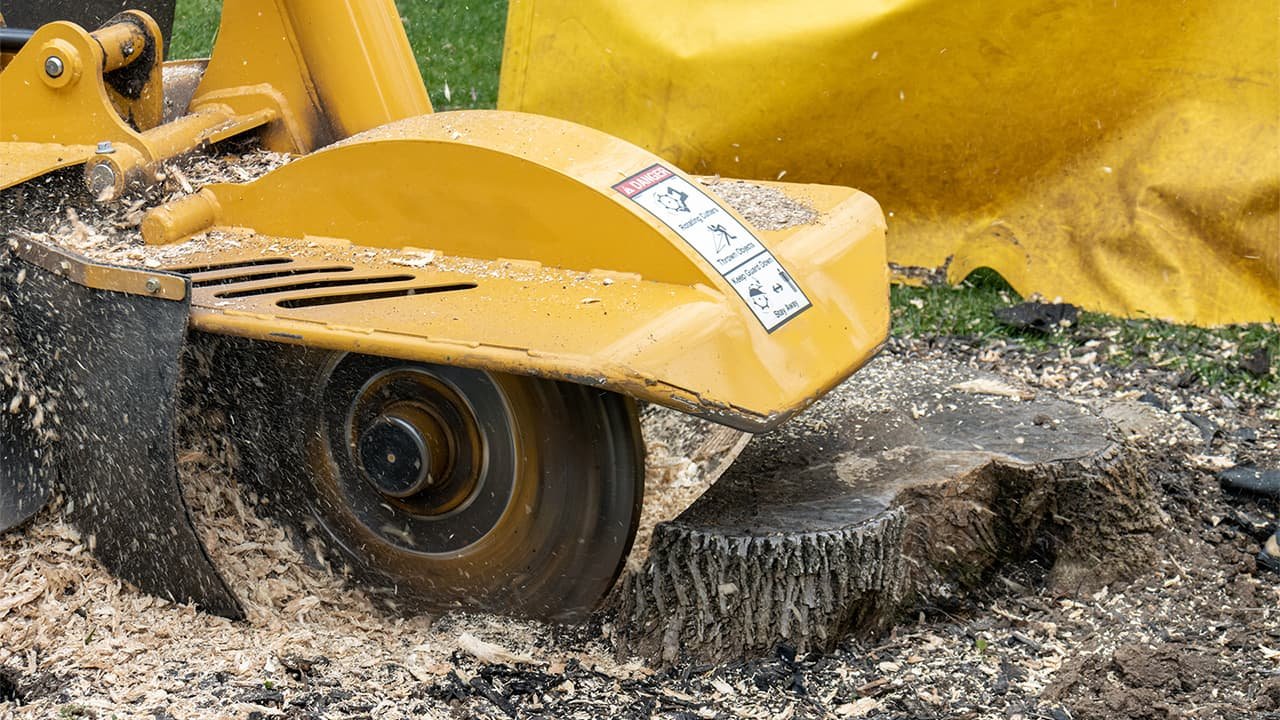
Weather plays a major role in how safe and effective stump removal can be. At Tree Sol, we see every week how weather effects on stump grinding change results, timing and safety. Rain, frost, wind and freezing temperatures all affect how well machinery performs and how smooth the final result looks.
2. What Counts as Harsh Weather for Stump Grinding?
Harsh weather includes heavy rain, storms, muddy soil, frost and freezing temperatures. These conditions create multiple stump grinding challenges that affect both safety and results. Stump grinding in bad weather often leads to machine instability, reduced visibility and unpredictable soil movement. Tree Sol always evaluates the weather before working because grinding in unsuitable conditions may lead to shallow cuts, uneven grinding and delays. Knowing what “harsh weather” means helps plan stump removal properly.
2.1 Stump Grinding in Rain and Wet Soil
Stump grinding in rain affects traction, visibility and cutting performance. Wet soil becomes slippery and causes machines to sink or slide, making grinding less precise. At Tree Sol, we often see waterlogged soil changing stump position, which leads to uneven grinding. Wet chips also become heavy and difficult to remove. These issues affect overall results in bad conditions, requiring extra time and multiple passes to reach the correct depth.
2.2 Stump Grinding in Cold Weather and Frost
During cold months, soil freezes and becomes extremely hard. Stump grinding in cold weather means cutting through frozen ground and icy roots, which slows the process significantly. In winter conditions, the soil behaves like solid stone, causing faster blade dulling and heavy vibration. At Tree Sol, we adjust our equipment because frozen ground requires more pressure and skill. Cold weather also reduces machine efficiency, making grinding slower and more challenging.
2.3 Storms, Strong Winds and Severe Weather
Grinding during strong winds or storms is unsafe because flying wood chips become unpredictable and operator stability is compromised. Stump grinding in harsh weather with high winds reduces visibility and control. Tree Sol does not operate when conditions make it risky for both people and property. Storms also soften topsoil, worsening ground conditions for stump grinding, making machines unstable. These environmental risks show why weather evaluation is essential before stump removal.
3. How Harsh Weather Changes Stump Grinding Results
Harsh weather directly affects the quality of stump removal. Wet or frozen ground forces equipment to work harder, often leading to uneven cuts. Weather impact on stump removal also determines how deep the grinder can go. When soil is unstable, machines shift slightly, creating shallow or jagged results. At Tree Sol, we aim for clean, level grinding, but stump grinding results in bad conditions may require additional runs or follow-up work once weather improves.
3.1 Poor Grinding Depth and Uneven Cuts
One of the most common issues in stump grinding in bad weather is reduced depth. Wet, soft or frozen ground causes machines to slip or bounce, preventing even pressure on the stump. This leads to inconsistent cuts and missed roots. At Tree Sol, we often need to adjust our grinding technique during harsh weather to prevent uneven results. Frozen soil also breaks unevenly, making the stump surface rougher than usual.
3.2 Slower Process and Machine Inefficiency
Harsh weather slows stump grinding considerably. Mud sticks to blades, frozen roots resist cutting, and machines require more power to break through tough surfaces. These challenges increase work time and cause more wear on equipment. At Tree Sol, cold-weather grinding requires more blade cleaning, reduced grinding speed and frequent adjustments. Wet and cold environments also increase the amount of debris that must be managed, extending the completion time.
3.3 Extra Cleanup and Difficult Debris Removal
Wet or frozen wood chips are heavier and harder to remove. Rain turns chips into soggy mulch, while freezing temperatures make them stiff and sharp. These conditions affect stump grinding results in bad conditions, leaving the area messier. Tree Sol often performs additional cleanup steps during harsh weather to leave the site tidy, but severe weather may still cause slower debris clearing. Wet soil also sticks to machinery, requiring more cleaning.
4. Ground Conditions and Weather Effects
Soil stability matters just as much as air temperature. Weather changes create new ground conditions for stump grinding that affect traction, accuracy and equipment behavior. Tree Sol always checks ground firmness before beginning a job, as grinding on soft or frozen soil requires different strategies.
4.1 Wet, Muddy and Unstable Soil
Soil becomes unstable during rainy conditions. Machines may sink, tilt or slide during the process. This instability makes stump grinding in rain unpredictable and may reduce the grinder’s accuracy. Wet soil can collapse into the grinding hole, covering roots and forcing the operator to stop repeatedly. These conditions produce uneven cutting and slower grinding, and Tree Sol may recommend waiting for drier weather to achieve better overall results.
4.2 Waterlogged or Flooded Areas
Standing water is one of the worst conditions for stump grinding. Machines cannot gain traction in flooded areas, and grinding becomes unsafe. Water fills the grinding pit consistently, burying wood chips and making progress difficult. For safety reasons, Tree Sol avoids grinding when the ground is completely saturated. The weather impact on stump removal in these conditions reduces quality and increases the chance of machine damage.
4.3 Frozen or Compacted Soil
Frozen soil is extremely difficult to grind because roots become rock-hard. Stump grinding frozen ground causes blade dulling and vibration, making cuts rough and uneven. Compacted winter soil also resists grinding and may require multiple passes. Tree Sol adjusts the grinder settings during in cold weather to reduce machine strain, but frozen conditions still make the job slower and the results less smooth.
5. Safety Concerns in Harsh Weather
Safety is the top priority in stump removal. Harsh weather makes stump grinding riskier for operators, equipment and surrounding property. That’s why Tree Sol carefully assesses every job before beginning.
5.1 Safety Risks for Operators
Wet surfaces cause slipping, cold conditions reduce grip strength and wind reduces visibility. These risks increase during in bad weather, where operators must take extra precautions. Mud, frost and rain all affect movement and stability. Tree Sol trains all staff to identify unsafe conditions and avoid working when risks outweigh benefits.
5.2 Property Damage Risks
Muddy or frozen soil increases the chances of machine tracks damaging lawns. Waterlogged soil may cause sinking, while frozen soil may crack unexpectedly. These weather effects on stump grinding can cause long-term damage to the surrounding area. Tree Sol uses protective boards or mats when needed to reduce ground impact.
5.3 When to Postpone Stump Grinding
Some conditions require waiting for better weather. Grinding should be postponed when:
- Soil is deeply frozen
- Storms or strong winds are active
- The ground is fully waterlogged
- Visibility is affected by rain
- Machinery cannot operate safely
6. How Professionals Adjust to Harsh Weather
Professional stump grinding companies adapt their techniques based on weather and soil. Tree Sol uses several methods to ensure safe and efficient grinding.
6.1 Machine Adjustments and Blade Control
In wet or frozen conditions, grinders need blade depth, angle and pressure adjustments. Tree Sol may sharpen blades more frequently or use slower grinding speeds for frozen roots. These adjustments reduce stress on the grinder and improve accuracy in harsh weather.
6.2 Protecting Equipment in Difficult Conditions
Professionals shield air intakes, use thicker hydraulic fluid in winter and clear debris more often in wet weather. These steps ensure that machinery remains efficient despite stump grinding challenges. Weather also determines how often the grinder must be cleaned or reset during the job.
6.3 Soil and Weather Assessment Before Grinding
Before grinding, Tree Sol checks soil firmness, water saturation, stump depth, slope and upcoming weather. This evaluation helps determine if grinding should proceed or be rescheduled. Proper assessment prevents poor stump grinding results in bad conditions.
7. Best Time for Stump Grinding
Dry, mild weather always provides the best results. During good weather, grinding is faster, cleaner and more accurate. Wet, cold or stormy weather slows the job and increases risks. Planning stump removal around stable weather offers the best outcome for both homeowners and professionals.
Conclusion
Stump grinding in harsh weather affects everything from safety to final results. Rain, frost and unstable soil create multiple stump grinding challenges, reducing efficiency and accuracy. Understanding these factors helps homeowners avoid poor grinding outcomes and schedule work during better conditions. With careful planning and professional assessment, stump grinding remains safe and effective—even when the weather tries to make things difficult.


















Leave a Reply