

Sleep apnea is a common yet serious sleep disorder in which breathing repeatedly stops and starts during sleep. It not only disrupts rest but also poses serious risks to heart health, brain function, and overall well-being. Many patients wonder if sleep apnea can be managed or even resolved at home, without the need for invasive procedures or hospital-based treatments.
According to Prof. Dr. Syed Arshad Husain, a leading pulmonologist in Dubai, the answer is both yes and no—depending on the severity of the condition and the type of sleep apnea.
Understanding Sleep Apnea: Types and Symptoms
There are primarily two types of sleep apnea:
- Obstructive Sleep Apnea (OSA) – The more common form, caused by a physical blockage in the airway.
- Central Sleep Apnea (CSA) – A neurological condition where the brain fails to send the right signals to control breathing.
Common symptoms include:
- Loud snoring
- Gasping or choking during sleep
- Daytime fatigue
- Morning headaches
- Difficulty concentrating
Dr. Syed Arshad Husain emphasizes the importance of identifying these symptoms early and seeking professional evaluation to avoid long-term complications such as hypertension, stroke, heart attack, and cognitive decline.
Home-Based Solutions for Managing Sleep Apnea
While moderate to severe cases of sleep apnea often require medical intervention, mild cases can often be managed at home with consistent lifestyle changes and non-invasive tools. Dr. Husain suggests the following methods:
1. Weight Management
One of the primary causes of OSA is excess weight, especially around the neck area, which can constrict the airway.
- Losing just 5–10% of body weight can significantly reduce symptoms.
- A healthy diet combined with regular exercise is crucial.
Dr. Husain advises his patients to focus on low-sugar, high-fiber meals, and engage in at least 30 minutes of moderate physical activity daily.
2. Changing Sleep Position
Sleeping on your back can worsen sleep apnea by causing the tongue and soft palate to collapse backward into the throat.
- Side-sleeping often helps keep the airway open.
- Special pillows and positional therapy devices can train the body to avoid back-sleeping.
3. Avoiding Alcohol and Sedatives
Alcohol and certain medications relax throat muscles, increasing the risk of airway obstruction.
- Avoid alcohol at least 3 hours before bedtime.
- Review medications with your doctor, especially if you’re using sleeping pills or anti-anxiety drugs.
4. Nasal Breathing Aids
For individuals with nasal congestion or mild breathing issues:
- Nasal dilators, saline sprays, and neti pots can improve airflow.
- Using a humidifier in the bedroom can reduce airway irritation.
5. Use of Oral Appliances
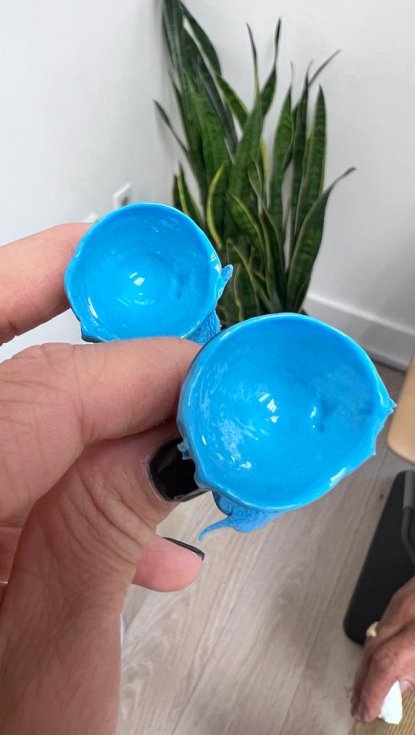
Custom-fitted mandibular advancement devices (MADs) are designed to hold the lower jaw forward, keeping the airway open during sleep.
- These can be a great non-CPAP alternative for mild to moderate cases.
- Consultation with a dental sleep specialist is recommended.
Why Seek Treatment?
Untreated sleep apnea can lead to serious complications, such as heart disease, diabetes, and high blood pressure. Early intervention by a sleep apnea specialist in Dubai ensures a comprehensive approach to managing the condition, from diagnosis to treatment.
Take the First Step Toward Better Sleep
Don’t let sleep apnea affect your health and quality of life. Whether you’re looking for expert diagnosis, advanced solutions, or more information about the sleep apnea treatment cost in Dubai, feel free to contact Prof. Dr. Syed Arshad Husain, and he will guide you toward a healthier, more restful sleep with personalized care.
When Home Remedies Aren’t Enough
If symptoms persist despite these measures, it may indicate moderate to severe sleep apnea, which usually cannot be resolved at home. In such cases, Dr. Syed Arshad Husain recommends:
- Polysomnography (Sleep Study) – Conducted at a sleep lab or even at home in some cases.
- CPAP Therapy (Continuous Positive Airway Pressure) – The gold standard treatment for OSA.
- Surgical Options – For patients who do not respond to conventional treatments, surgical interventions like UPPP (uvulopalatopharyngoplasty) or Inspire Therapy may be considered.
Dr. Syed Arshad Husain’s Final Advice
While it is possible to manage and even improve sleep apnea symptoms at home, it’s crucial to start with a proper diagnosis. Self-treatment without understanding the type and severity of sleep apnea can be dangerous.
“Sleep is the foundation of good health. If you snore loudly, feel exhausted during the day, or have been told you stop breathing in your sleep, don’t ignore it. Get evaluated, and we’ll guide you through the right treatment, whether it’s at home or in-clinic,” says Dr. Syed Arshad Husain, renowned pulmonologist in Dubai.
Book a Consultation Today
If you suspect you or a loved one may have sleep apnea, don’t delay professional evaluation. Dr. Syed Arshad Husain specializes in diagnosing and treating sleep apnea and complex respiratory disorders, including sleep apnea.


















Leave a Reply