

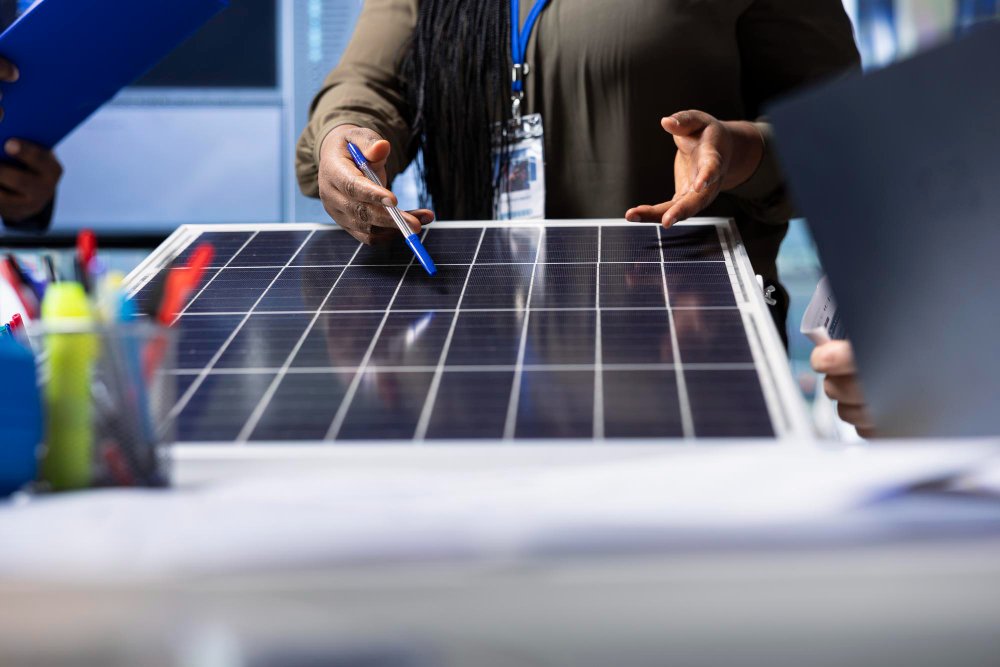
Moving to solar energy in the Philippines is no longer just a trend for the eco-conscious; it has become a strategic financial move for Filipino families and business owners alike. As of 2026, the landscape of renewable energy has shifted due to better technology, more competitive local installers, and favorable government policies. If you are looking to lower your monthly power bills, understanding solar panel cost is essential.
Current Market Rates per Kilowatt
For a standard residential setup in the Philippines this year, the total installed cost typically ranges from ₱30,000 to ₱50,000 per kilowatt (kW). This range includes the hardware, labor, and basic permitting. For instance, a small 1.5 kW system, which can comfortably power a refrigerator, fans, and lights during the day, generally starts at approximately ₱108,000.
Mid-sized systems, such as the 3.2 kW setup, are popular for urban households with moderate air conditioning use, costing around ₱183,000. For larger homes with multiple air conditioning units and heavy daytime appliance use, a 5 kW system is the industry standard, with prices starting at ₱270,000 and reaching up to ₱365,000 for premium, high-efficiency brands.
Breaking Down Equipment Prices
The hardware remains the most significant portion of your investment. In 2026, high-quality monocrystalline solar panels—favored for their efficiency in the Philippine heat—cost between ₱15,000 and ₱25,000 per panel, depending on the wattage (typically 450W to 550W+).
The inverter, often called the “brain” of the system, converts the DC power from the panels into the AC power used by your home. Quality grid-tie inverters range from ₱30,000 to ₱80,000. When selecting equipment, it is vital to prioritize brands with local service centers and warranties of at least 10 to 12 years for inverters and 25 years for panels to ensure long-term ROI.
Installation and Labor Fees
Labor costs in the Philippines have stabilized but are heavily influenced by the complexity of your roof.
Standard Metal Roofs: These are the most cost-effective to work on, with labor and mounting kits typically costing between ₱10,000 and ₱25,000.
Tiled or Steep Roofs: These require specialized mounting brackets and more intensive labor to ensure no leaks occur, which can add ₱5,000 to ₱15,000 to your total bill.
The Rise of Battery Storage
With the increasing reliability of lithium iron phosphate (LiFePO4) technology, more Filipinos are opting for “hybrid” systems. While a basic grid-tie system stops working during a brownout (for safety reasons), a battery-backed system keeps your lights on.
Entry-level batteries: A 5 kWh battery setup starts at roughly ₱90,000.
Premium storage: Larger 10 kWh units or “stackable” modular systems can range from ₱135,000 to ₱250,000.
While the upfront cost is higher, these batteries now last 10 to 15 years, offering significant value for those in areas with frequent power fluctuations.
Permits and Net Metering
To legally connect your solar system to the grid and earn credits for the excess power you produce, you must go through the Net Metering process.
Application Fees: Most Distribution Utilities (DUs) like Meralco require a Certificate of Compliance (COC) from the Energy Regulatory Commission (ERC), which costs about ₱1,500.
Bi-directional Meter: You will need to pay for a new meter that “spins backward,” usually costing around ₱3,000.
Professional Fees: Many solar companies charge a service fee of ₱5,000 to ₱15,000 to handle the “red tape,” including the Certificate of Final Electrical Inspection (CFEI) from your local city hall.
Factors Lowering Your Costs
The Philippine government continues to support the “Solar Revolution” through several key incentives:
VAT Exemption: Under the Renewable Energy Act, most solar equipment is exempt from the 12% Value-Added Tax.
CREATE MORE Act (2026): Recent updates have further streamlined tax incentives for renewable energy importers, helping keep retail prices stable despite global inflation.
Package Deals: Installers often provide significant discounts when you purchase “turnkey” packages (equipment + installation + permits) rather than sourcing parts individually.
Return on Investment (ROI)
The most important question for any homeowner is: When will this pay for itself? Given the current electricity rates in the Philippines—which remain among the highest in Southeast Asia—most residential systems see a full Return on Investment within 4 to 6 years. Since a quality system is designed to last 25 years, you are essentially looking at nearly 20 years of “free” electricity after the initial payback period.
Key Takeaway
Transitioning to solar energy in the Philippines has evolved into a high-yield financial investment that far outperforms traditional savings accounts. By strategically selecting a system size that aligns with your household’s specific daytime consumption patterns and leveraging the Department of Energy’s Net Metering program, you can effectively slash your monthly electricity bills by 30% to 70%. This shift not only provides immediate relief from some of the highest power rates in Southeast Asia but also offers a fixed energy cost for the next 25 years. Ultimately, solar empowers Filipino homeowners to turn a recurring utility expense into a long-term performing asset.














Leave a Reply