

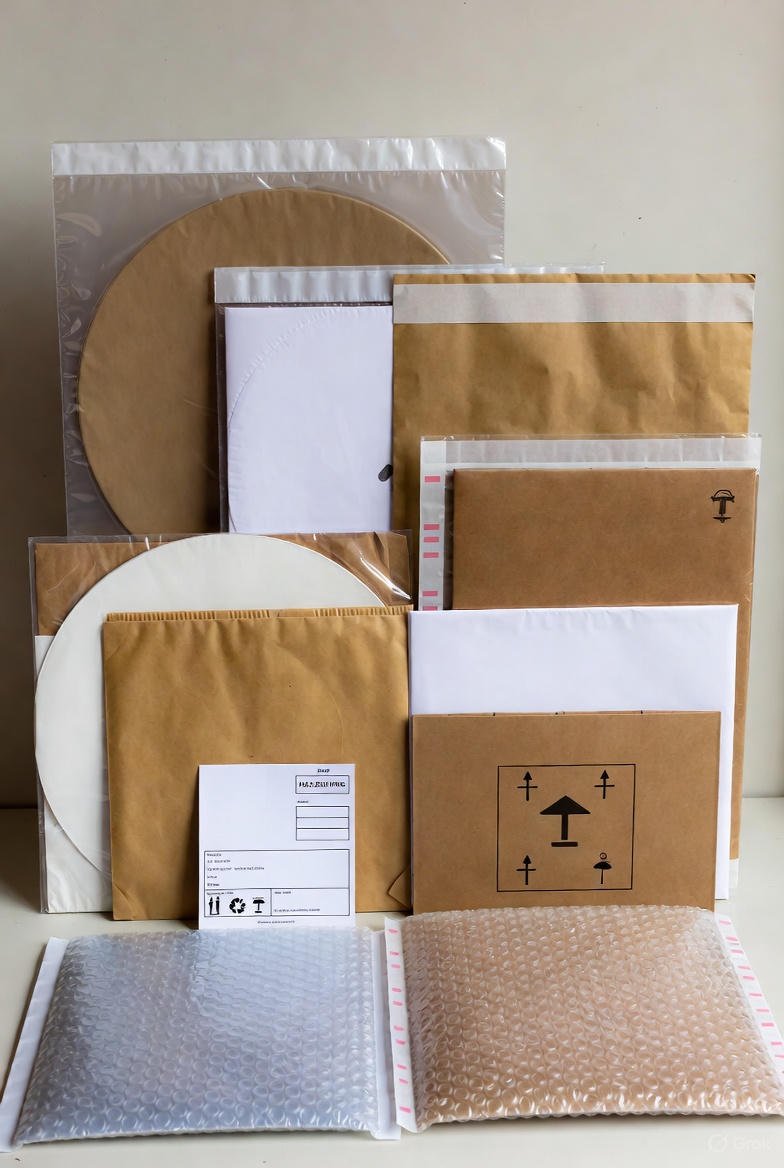
Shipping sounds simple until something breaks. One weak box can ruin the whole experience. Customers remember damaged deliveries more than anything else. That is why packing deserves real attention. It is not just wrapping a product and sending it. It is about protecting value during the entire journey.
Many growing businesses now invest in better packaging supplies. Not because it looks good, but because it works. Better packing quietly reduces complaints and returns. It also saves time by avoiding issues that would require fixes later.
Why Does Smart Packing Matter for Every Shipment?
Every parcel goes through multiple hands. Sorting belts, stacking, loading, and unloading happen constantly. Even careful handling cannot prevent all impact. A poorly packed item feels that impact immediately; the corners are crushed, the edges are bent, and the contents shift inside.
Experienced warehouse teams notice this early. They adjust packing methods based on real outcomes. For example, one retailer reduced returns simply by switching to stronger packing tapes. Boxes stopped opening during transit: small change, big difference. Smart packing is not complicated. It just needs consistency and awareness.
What Materials Actually Protect Parcels Well?
There is no single perfect material. Protection usually comes from combining layers. You need structure on the outside and cushioning on the inside. Here are commonly used materials:
- Corrugated boxes for strength
- Bubble wrap for delicate items
- Kraft paper for surface safety
- Air cushions for filling space
Some businesses prefer to buy cardboard boxes in bulk. It keeps sizes consistent across all shipments. Consistency makes packing faster and more reliable. It also reduces guesswork during busy dispatch hours.
Which Box Types Should You Really Choose?
Not all boxes behave the same way. The right choice depends on product weight and shape.
Single Wall Boxes
These are used for everyday shipping needs. They work best for lighter or medium-weight items. Most online sellers use them daily. They are easy to store and quick to assemble.
Double Wall Boxes
These feel stronger the moment you hold them. They handle pressure much better than single walls. Useful for heavier or fragile shipments. They reduce crushing during stacking in transit.
Postal Style Boxes
These are compact and neat. They suit smaller retail products very well. They also speed up packing lines. No complex folding or taping needed.
Storage and Archive Boxes
These are built to hold flat items safely. Documents and files stay protected inside. They are also used for long-term storage. Structure matters more than appearance here.
How Important Is Sealing During Shipping?
Sealing often gets ignored, which is surprising. Even a strong box fails with a weak closure. Boxes open more often than people think. Especially when tapes lose grip during transit. Some simple sealing habits help a lot:
- Tape all edges, not just the centre
- Press firmly while applying tape
- Use extra layers for heavier parcels
- Never reuse old or weak tape
Many operations upgrade their packing tapes over time. It is one of the easiest improvements to make. A properly sealed box feels more secure.
Why does Internal Cushioning Matter So Much?
Space inside a box is risky. Items move, collide, and shift during transit. Even strong outer boxes cannot prevent that. Cushioning solves this problem effectively.
Common options include:
- Bubble wrap for fragile goods
- Foam inserts for electronics
- Paper fillers for general items
- Air pillows for lightweight protection
A warehouse manager once shared a simple rule. “If it can move, it can break.” That idea explains cushioning perfectly. Using proper packaging supplies inside keeps items stable throughout the journey.
How Can Packing Be Faster Without Losing Quality?
Speed matters, especially during peak seasons.
But rushing often leads to mistakes.
Smart systems help maintain both speed and quality.
Here are a few practical habits:
- Keep materials within arm’s reach
- Use standard box sizes
- Train staff on simple packing steps
- Double-check before sealing
Some warehouses set up packing stations. Each station handles a specific product type. This reduces confusion and improves accuracy. Reliable packaging supplies also save time.
You do not want materials failing mid-process.
What Are the Most Common Packing Mistakes?
Most mistakes are not complicated. They happen due to small oversights. Here are a few to watch out for:
- Choosing oversized boxes unnecessarily
- Forgetting to fill empty gaps
- Using weak materials for heavy items
- Rushing the sealing process
One small error can lead to product damage. And one damaged parcel affects customer trust. Businesses that carefully buy cardboard boxes usually avoid mismatch problems later.
Why Do Professionals Follow Standard Methods?
Standard methods remove guesswork completely. Everyone follows the same process every time. This improves speed, accuracy, and training. Large fulfilment centres rely heavily on this. Each product category has a fixed packing style.
For example, electronics always get double protection. Fragile items follow strict cushioning rules.
These systems are built from experience. They evolve based on real shipping feedback. Consistency is what keeps operations running smoothly.
Conclusion
Shipping becomes easier when packing is done right. It is not about spending more, but choosing wisely. Strong boxes, proper sealing, and good cushioning work together to protect every parcel.
Upgrading packaging supplies improves overall performance. Better packing tapes keep parcels sealed throughout transit. When you buy cardboard boxes carefully, you avoid many common shipping problems. In the end, smart packing means fewer worries.


















Leave a Reply