

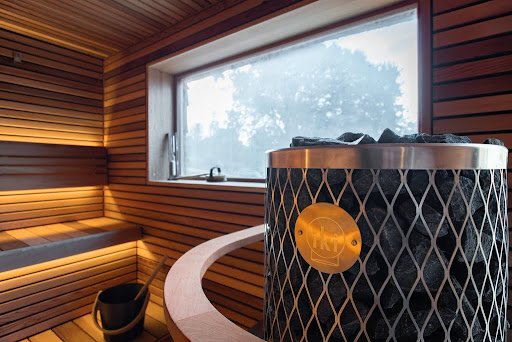
Interest in sauna heart health and recovery has grown rapidly as more homeowners invest in wellness spaces. Research over the past two decades has explored the connection between regular sauna bathing and cardiovascular function, circulation, and post-exercise recovery.
At the same time, modern Electric Sauna Heaters have made home sauna ownership more accessible, safer, and easier to control. This has shifted sauna use from occasional spa visits to consistent weekly practice.
This article explores the science behind sauna cardiovascular benefits, explains how sauna and blood flow are connected, and outlines the practical 10 benefits of sauna use, especially after exercise.
The Growing Focus on Sauna Heart Health
Multiple peer-reviewed studies, including long-term research from the University of Eastern Finland, have examined sauna use and cardiovascular outcomes. Findings published in journals such as JAMA Internal Medicine observed associations between frequent sauna bathing and reduced risk of certain cardiovascular events.
While sauna bathing is not a replacement for medical treatment, evidence suggests that regular heat exposure may:
- Improve vascular function
- Support healthy blood pressure levels
- Enhance circulation
- Promote relaxation of blood vessels
These findings have fueled interest in sauna cardiovascular benefits, especially among individuals focused on preventive wellness.
How Sauna and Blood Flow Are Connected
When exposed to high heat, the body activates thermoregulatory mechanisms:
- Blood vessels dilate
- Heart rate increases
- Circulation improves
- Sweat production begins
This process increases sauna and blood flow efficiency. Vasodilation allows blood to circulate more freely, temporarily improving oxygen and nutrient delivery to tissues.
The American Heart Association explains that moderate heat exposure can produce cardiovascular responses similar to light-to-moderate physical activity in some individuals. However, sauna use should complement exercise, not replace it.
Improved circulation is one of the key reasons many people experience the benefits of sauna after workout sessions.
Electric Sauna Heaters and Cardiovascular Safety

4
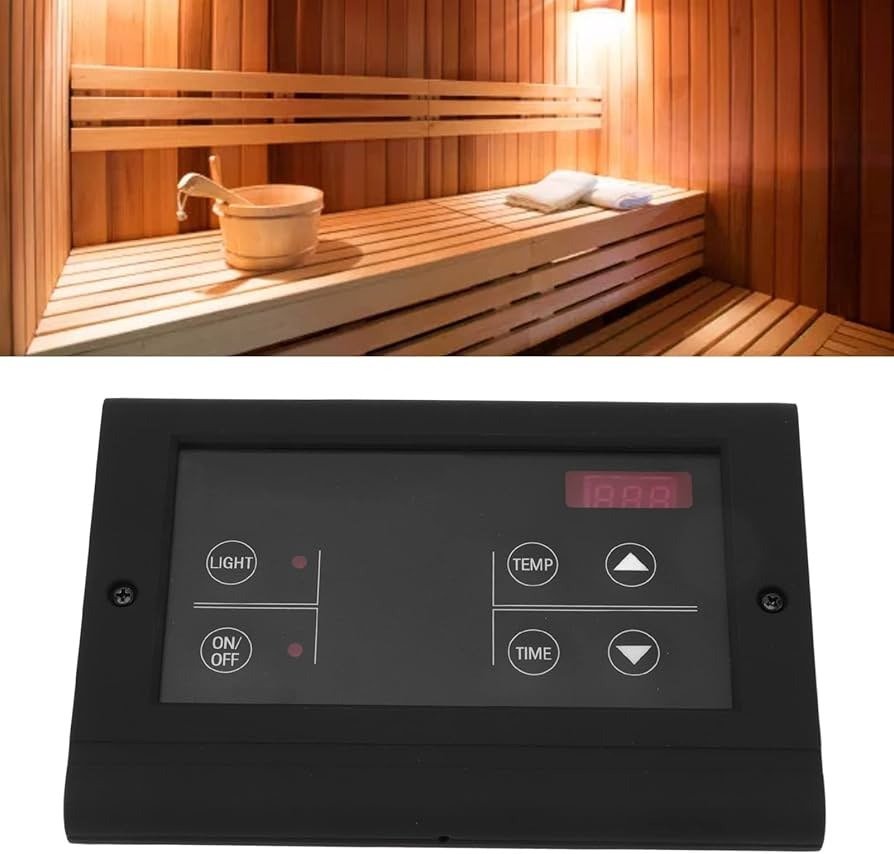
Modern Electric Sauna Heaters are engineered for consistent temperature control and safety. Digital thermostats, automatic shutoff systems, and controlled humidity levels help maintain predictable conditions.
From a cardiovascular perspective, stable heat is essential. Rapid temperature spikes can be uncomfortable or unsafe for individuals with certain health conditions.
Properly installed electric heaters offer:
- Even heat distribution
- Adjustable temperature ranges
- Timer controls
- Safer operation compared to improvised heat sources
Anyone with diagnosed cardiovascular disease should consult a healthcare provider before beginning regular sauna sessions.
Sauna Cardiovascular Benefits Explained
Improved Vascular Function
Heat exposure relaxes arterial walls. Over time, repeated sessions may support endothelial function, which plays a role in overall cardiovascular health.
Temporary Blood Pressure Reduction
Some studies show short-term reductions in systolic and diastolic blood pressure after sauna bathing. These effects vary by individual.
Heart Rate Conditioning
During sauna use, heart rate can increase to levels similar to moderate walking. This creates mild cardiovascular stimulation without joint strain.
Stress Reduction
Chronic stress negatively affects heart health. Sauna bathing activates the parasympathetic nervous system, encouraging relaxation.
Together, these mechanisms explain why sauna cardiovascular benefits are frequently discussed in clinical research settings.
Benefits of Sauna After Workout


4
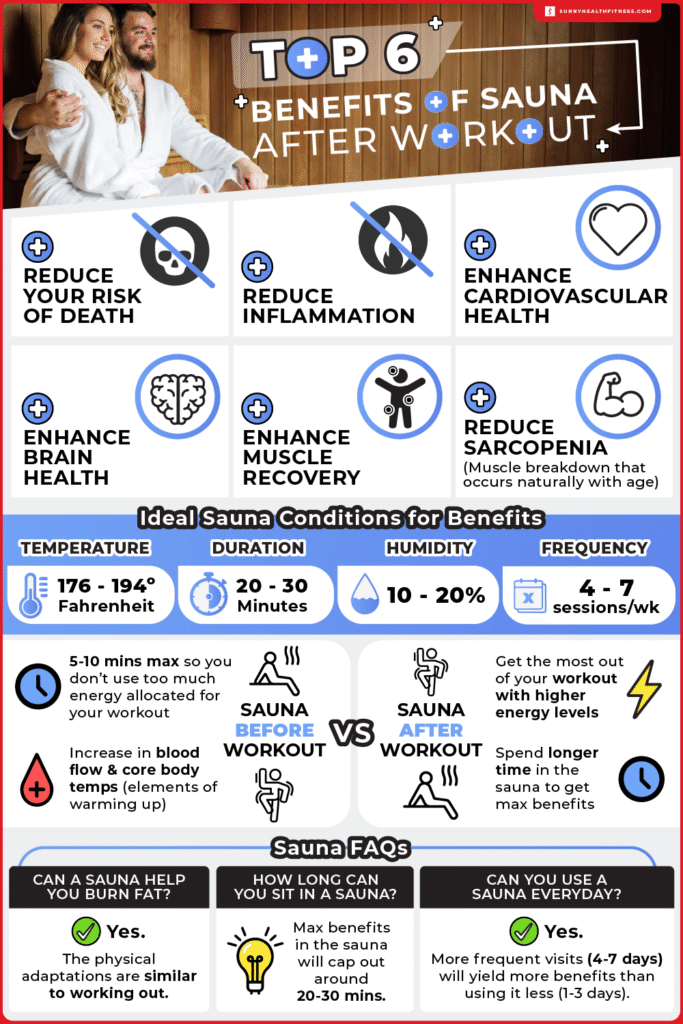
Many homeowners specifically ask about the benefits of sauna after working out. Post-exercise heat exposure can complement training when used responsibly.
1. Enhanced Circulation
After exercise, improved blood flow may support nutrient delivery and waste removal.
2. Muscle Relaxation
Heat promotes muscle relaxation, which may ease stiffness following intense sessions.
3. Perceived Reduction in Soreness
Some small studies suggest heat exposure may help reduce delayed onset muscle soreness, though results vary.
4. Improved Recovery Ritual
Recovery is not only physical. Consistent cooldown routines support long-term training adherence.
5. Sweating and Fluid Regulation
While sweating does not “detoxify” the body in a medical sense, it supports natural thermoregulation and fluid balance when hydration is maintained.
These factors explain the growing interest in sauna benefits after workout routines among athletes and recreational fitness users.
10 Benefits of Sauna Use
Below is a balanced, evidence-informed summary of the 10 benefits of sauna bathing:
- Improved circulation
- Temporary blood pressure reduction
- Muscle relaxation
- Stress reduction
- Enhanced recovery routine
- Potential improvement in endothelial function
- Support for healthy sleep patterns
- Relaxation of joints and connective tissue
- Improved heat tolerance over time
- A structured environment for mindfulness
These benefits depend on frequency, hydration, and proper sauna design.
Infrared Sauna Blanket Benefits vs Traditional Sauna

4
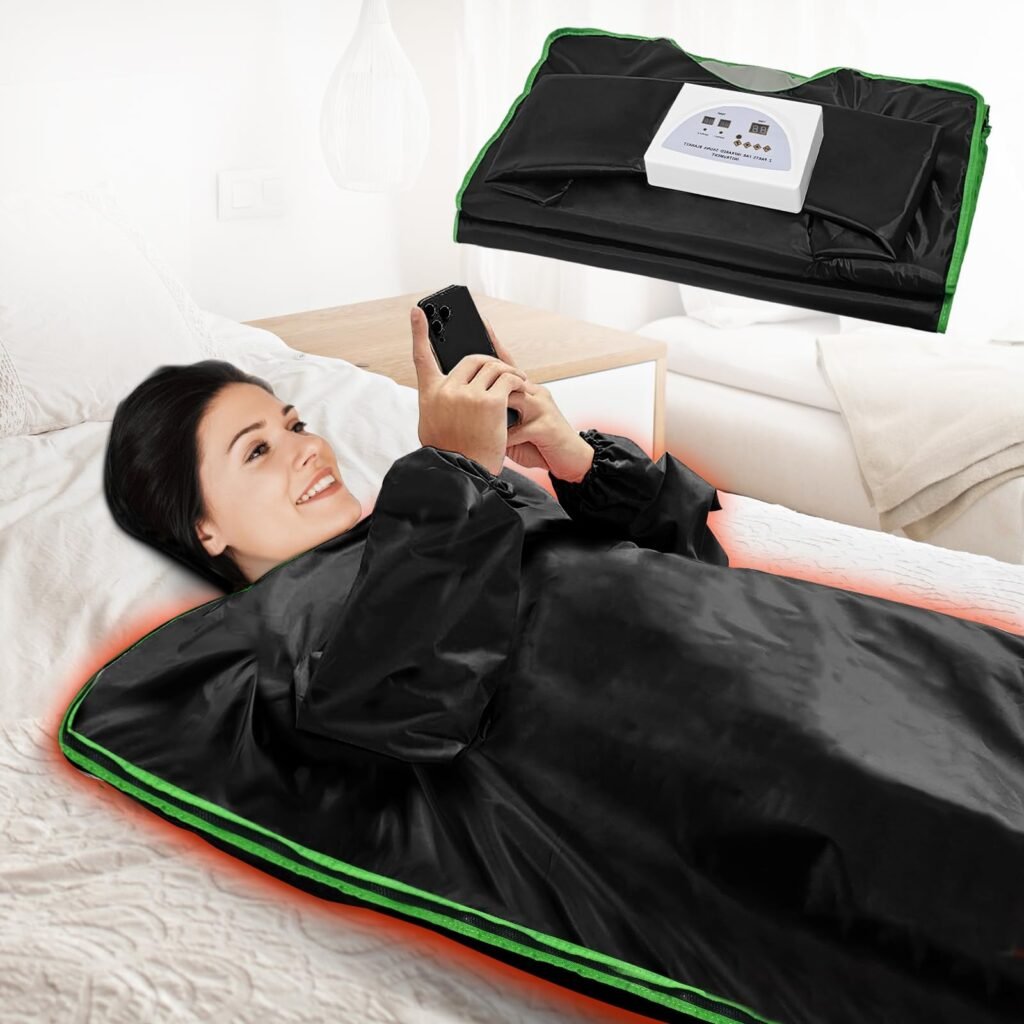
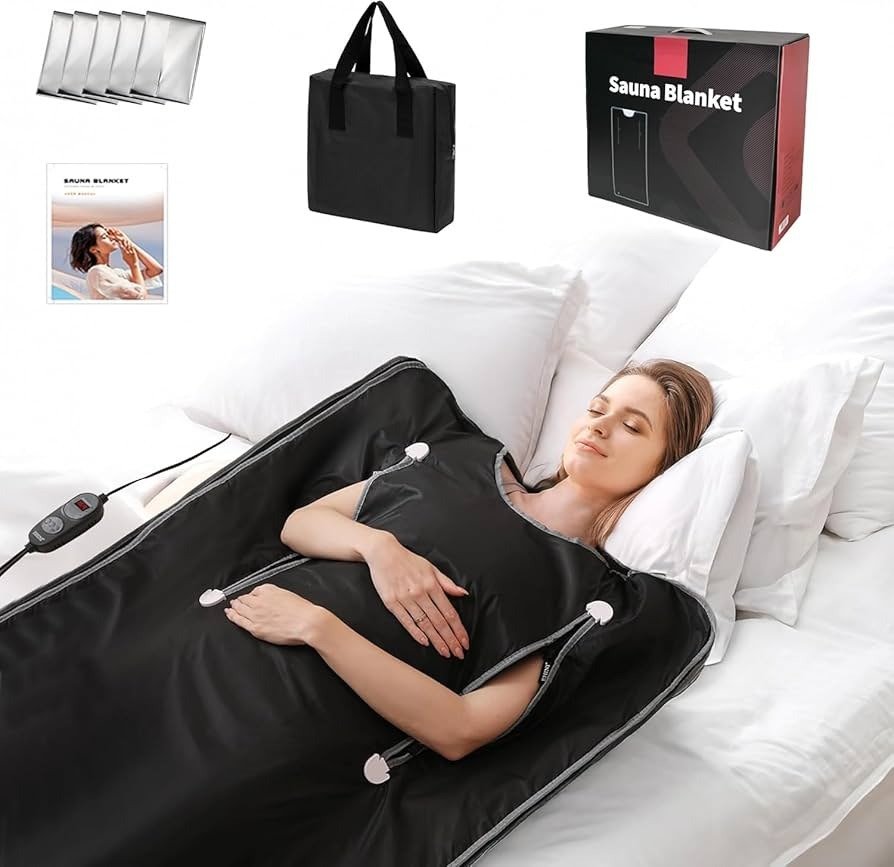
Portable devices have gained popularity, especially discussions around sauna blanket benefits and infrared sauna blanket benefits.
Infrared blankets operate at lower ambient temperatures and use radiant heat. They are compact and convenient for limited spaces.
Potential advantages:
- Lower operating temperature
- Portable design
- Shorter setup time
However, compared to full-room installations with Electric Sauna Heaters, blankets:
- Do not create full-body ambient heat exposure
- Offer limited airflow
- Provide a different cardiovascular response profile
Both formats generate heat stress, but traditional sauna rooms often produce stronger circulatory effects due to higher air temperatures and convection heat.
Benefits of Sauna After a Workout: Best Practices
To safely experience the benefits of sauna after a workout, follow practical guidelines:
Hydrate Before and After
Replace fluids lost during exercise and sauna use.
Wait for Heart Rate Stabilization
Allow heart rate to decrease slightly before entering.
Keep Sessions Moderate
10 to 20 minutes is typical for most healthy adults.
Avoid Alcohol
Alcohol increases dehydration risk and cardiovascular strain.
Listen to Physical Signals
Dizziness, nausea, or discomfort are signs to exit immediately.
Safety ensures that the benefits of a sauna after workout are realized without unnecessary risk.
Sauna and Long-Term Cardiovascular Wellness
Research suggests that frequency may matter. Individuals using sauna multiple times per week have shown stronger associations with cardiovascular outcomes compared to infrequent users.
However, sauna bathing is not a substitute for:
- Regular exercise
- Balanced nutrition
- Blood pressure management
- Medical supervision when required
When integrated responsibly, sauna use may support overall heart health as part of a comprehensive lifestyle approach.
Choosing the Right Electric Sauna Heaters for Home Use
For homeowners focused on sauna heart health and recovery, heater selection matters.
Key considerations:
- Room size compatibility
- Wattage requirements
- Ventilation design
- Digital control precision
- Safety certifications
Proper installation ensures even heat distribution, which directly affects sauna and blood flow response.
A poorly sized heater may overheat or underperform, reducing both comfort and effectiveness.
Final Thoughts
Interest in Electric Sauna Heaters continues to grow as homeowners prioritize recovery, relaxation, and cardiovascular wellness.
Evidence supports several measurable sauna cardiovascular benefits, including improved circulation and temporary blood pressure reduction. The benefits of sauna after workout sessions include muscle relaxation, enhanced recovery routines, and structured cooldown practices.
Portable options such as infrared blankets offer convenience, yet traditional sauna installations provide more complete ambient heat exposure and consistent performance.
When used safely and consistently, sauna bathing can become a practical component of heart-conscious living and post-exercise recovery.
The key is responsible use, proper hydration, and professionally designed equipment that maintains stable, controlled heat.
Home























Leave a Reply