

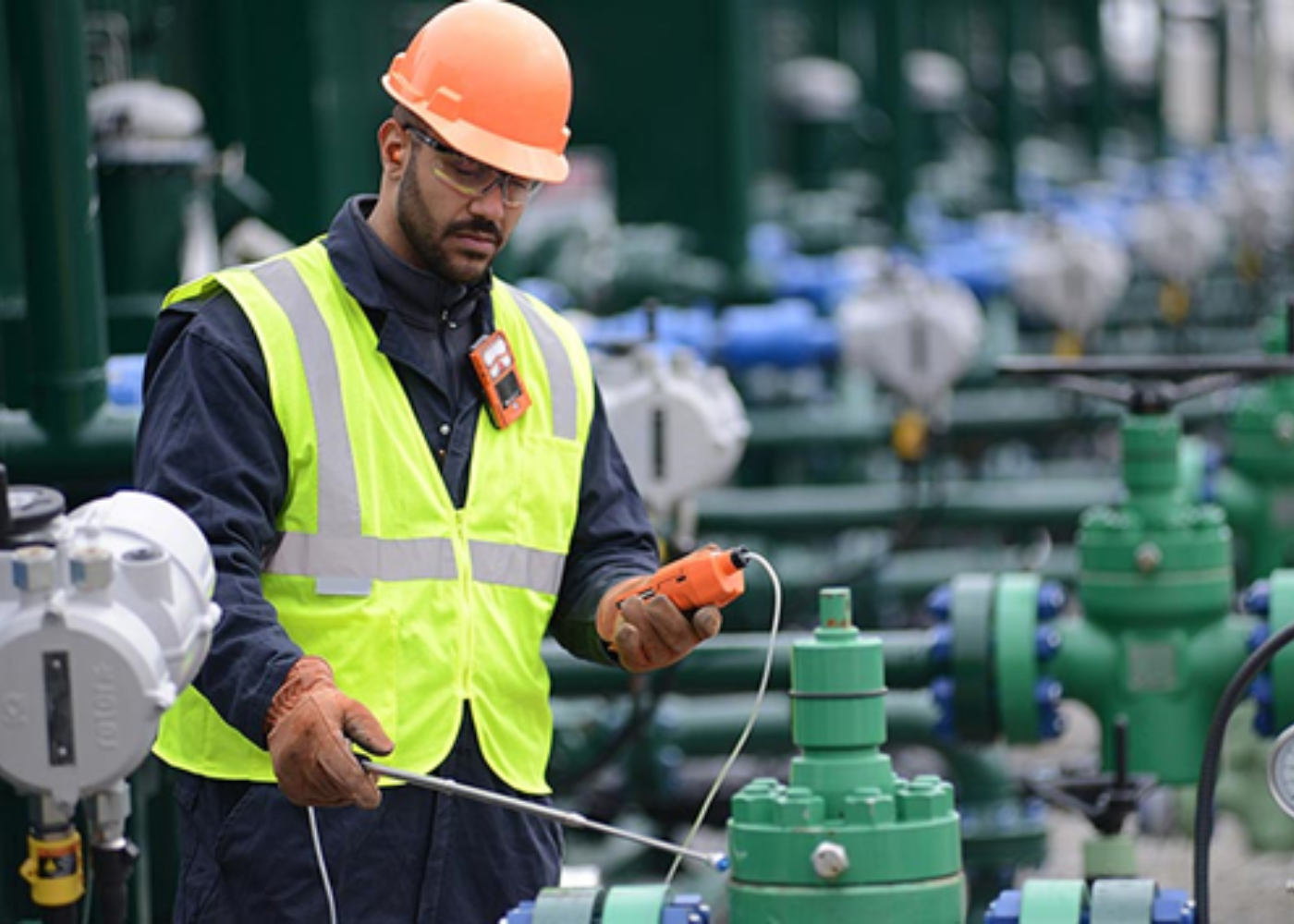
In high-risk industries such as construction, manufacturing, utilities, and logistics, safety performance is directly tied to equipment reliability. While organizations often focus on procurement, ongoing equipment servicing and strategic rentals play a far more critical role in maintaining safe, compliant, and uninterrupted operations. As operational complexity increases, businesses must rethink how they manage safety equipment across its entire lifecycle.
Ultimately, organizations that prioritize structured equipment servicing and strategic rentals position themselves for safer execution and greater operational control. These practices reduce risk, support compliance, and ensure teams are equipped to perform consistently—regardless of project scale, industry demands, or changing workplace conditions.
Why Equipment Reliability Is a Safety Imperative
Safety incidents are rarely caused by a single failure. More often, they stem from degraded equipment, missed inspections, or outdated tools still in circulation. Servicing and rental programs reduce these risks by ensuring equipment meets operational and regulatory standards at all times.
The Strategic Value of Equipment Servicing
Preventing Equipment Degradation Before It Becomes Risk
Regular servicing identifies wear, calibration issues, and component fatigue before they compromise worker safety. Proactive maintenance reduces failure probability and extends equipment life while supporting compliance audits.
Supporting Regulatory Compliance With Confidence
Industries governed by CSA and workplace safety regulations require documented inspection and maintenance records. Servicing programs create traceability, enabling organizations to demonstrate due diligence and avoid penalties or work stoppages.
Reducing Unplanned Downtime and Operational Disruption
Equipment failures often halt operations entirely. Routine servicing ensures availability and performance consistency, keeping projects on schedule and reducing the indirect costs associated with emergency replacements or incident investigations.
Equipment Rentals as a Safety Optimization Tool
Accessing Certified, Job-Ready Equipment
Rental equipment is typically maintained, tested, and certified before deployment. This allows organizations to deploy compliant gear without managing inspection cycles internally, lowering risk exposure.
Aligning Equipment With Task-Specific Risk Profiles
Not all jobs require permanent ownership of specialized safety equipment. Rentals allow businesses to deploy the right equipment for the right task, ensuring workers are protected without over-investing in rarely used assets.
Managing Seasonal and Project-Based Demand
Operational needs fluctuate. Rental models provide flexibility to scale equipment availability without compromising safety standards during peak workloads or specialized projects.
The Hidden Cost of Poor Equipment Management
Increased Incident Probability
Using poorly maintained or outdated equipment significantly increases the likelihood of workplace incidents, injuries, and near misses.
Liability and Insurance Exposure
Equipment-related failures often result in insurance claims, legal scrutiny, and reputational damage. Servicing and rental programs reduce liability by ensuring equipment integrity.
Operational Inefficiency and Workforce Strain
When equipment fails, teams are forced into reactive problem-solving mode. This erodes productivity, morale, and safety culture over time.
Integrating Servicing and Rentals Into Safety Strategy
Shifting From Ownership to Lifecycle Thinking
Leading organizations now view equipment through a lifecycle lens—acquisition, servicing, deployment, and retirement—rather than static ownership.
Leveraging Trusted Safety Supply Partners
Partnering with reliable providers of equipment servicing and rentals ensures access to compliant, well-maintained tools that align with evolving safety requirements. Many organizations across Canada rely on professional providers of canadian safety supplies to support this integrated approach.
Operational Maturity Through Structured Equipment Programs
Moving From Reactive Fixes to Predictive Readiness
Organizations with mature safety cultures no longer wait for equipment issues to surface. By embedding servicing schedules and rental planning into operational workflows, teams shift from reactive fixes to predictive readiness. This approach reduces uncertainty and ensures safety equipment performs as expected under real-world conditions.
Improving Workforce Confidence and Safety Culture
When workers trust the equipment they use, compliance improves naturally. Properly serviced and well-fitted equipment reduces hesitation, misuse, and unsafe workarounds. Rental programs further support this by ensuring workers always have access to equipment appropriate for the task at hand.
Simplifying Asset Tracking and Accountability
Managing owned equipment across multiple sites introduces tracking challenges. Servicing and rental providers often support inventory visibility, inspection histories, and usage records. This added transparency strengthens accountability and simplifies safety audits.
Financial Control Without Compromising Safety
Optimizing Capital Allocation
Purchasing and maintaining specialized safety equipment can tie up capital unnecessarily. Rentals convert fixed costs into variable expenses, allowing organizations to allocate budgets more strategically without lowering safety standards.
Lowering Total Cost of Ownership
When factoring in inspections, repairs, storage, and compliance documentation, ownership costs often exceed expectations. Servicing programs and rentals reduce hidden expenses while maintaining consistent safety performance.
Building Resilience in a Changing Risk Landscape
Adapting to Evolving Safety Requirements
Safety standards, job risks, and equipment technologies continue to evolve. Servicing and rental partnerships allow organizations to stay aligned with current best practices without repeatedly overhauling internal systems.
Supporting Long-Term Operational Continuity
Reliable equipment programs strengthen operational resilience. When safety tools are consistently available, compliant, and ready for use, organizations can focus on execution rather than risk mitigation.
Conclusion: Safety Is Sustained, Not Purchased
Maintaining safe operations requires more than buying quality equipment—it demands continuous oversight, adaptability, and strategic planning. Equipment servicing and rentals provide organizations with the flexibility, reliability, and compliance assurance needed to operate safely in dynamic environments. By embedding these practices into safety strategy, businesses move from reactive risk management to proactive operational excellence.
















Leave a Reply