

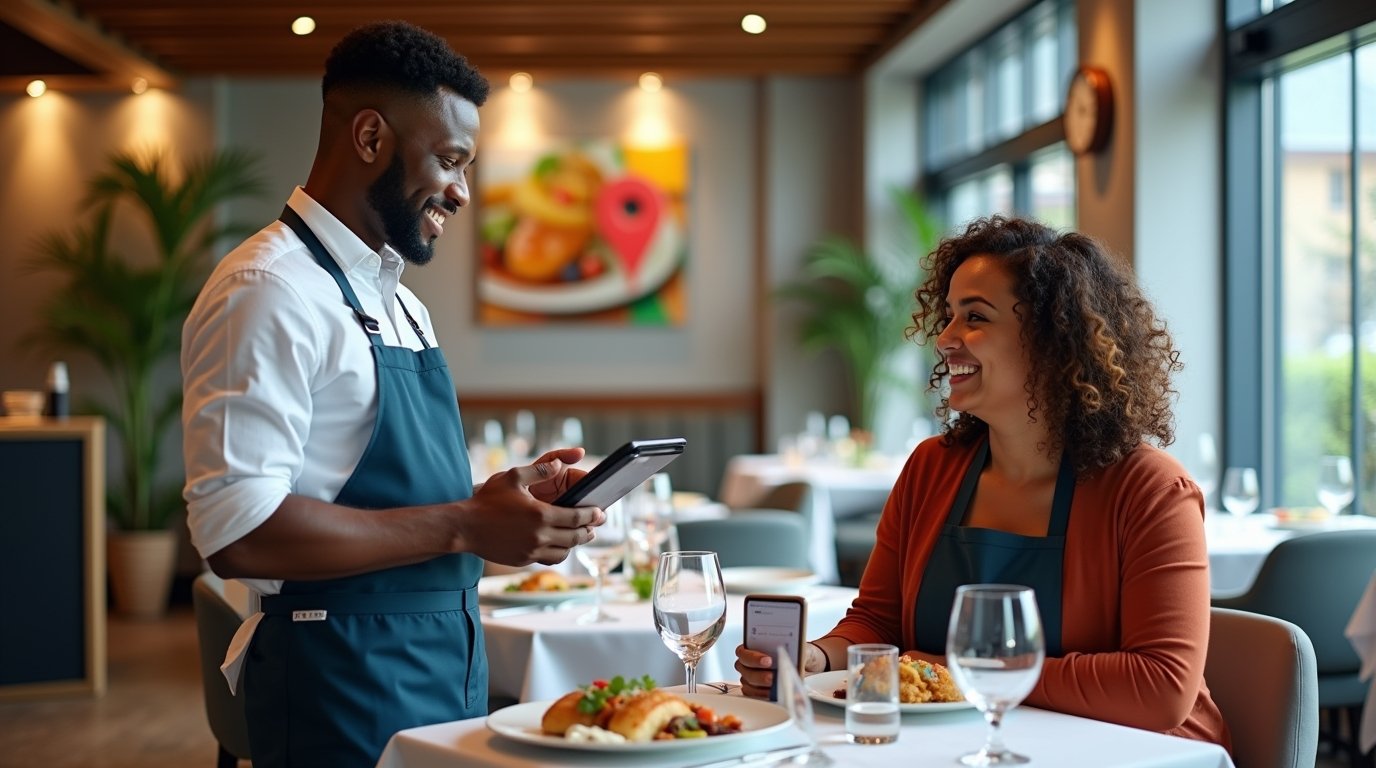
The restaurant business has always been competitive, but in today’s digital-first world, simply serving great food isn’t enough. Customers aren’t walking in solely based on word of mouth—they’re searching online first. A simple “best pizza near me” query on Google can make or break a restaurant’s success.
If your restaurant isn’t visible online, you’re missing out on a massive chunk of potential diners. But with so many digital marketing strategies, tools, and trends, it’s easy for restaurant owners to get lost. This guide will break down what truly works today in the age of Google and how you can turn online searches into real-life bookings.
1. The Shift to Digital-First Dining
The first thing to understand is that restaurant discovery has gone digital. Studies show that over 80% of diners search online before visiting a restaurant, which is why many restaurants hire an SEO agency for restaurants to ensure they appear at the top of search results. People rely heavily on:
- Google search results
- Google Maps listings
- Online reviews (Yelp, TripAdvisor, Google Reviews)
- Social media profiles (Instagram, TikTok, Facebook)
What this means for restaurant owners is clear: your online presence is just as important as your menu, location, or interior design. A poorly optimized Google listing or a negative review left unchecked can cost you customers every day.
2. Claiming and Optimizing Your Google Business Profile
Your Google Business Profile (GBP), formerly known as Google My Business, is the single most important tool for local restaurant marketing. Here’s why:
- Appears in local search results
- Displays key information like hours, address, website, menu, and photos
- Collects and displays reviews
- Can show posts, promotions, and events
How to Optimize Your Google Business Profile
- Accurate Information: Make sure your address, phone number, and hours are correct. Inconsistent information can hurt your search rankings.
- High-Quality Photos: Upload pictures of dishes, interiors, staff, and happy customers. Visuals increase clicks and engagement.
- Menu Uploads: Ensure your menu is easily accessible. Include descriptions, prices, and categories.
- Posts and Offers: Google allows you to post updates, special offers, or events. Keep it fresh to show activity.
- Engage with Reviews: Reply to both positive and negative reviews. A thoughtful response can turn a negative experience into a loyal customer.
A well-optimized Google Business Profile can drive both online discovery and offline traffic, effectively acting as your digital storefront.
3. Local SEO: Being Found “Near Me”
When someone searches “best ramen near me” or “Italian restaurant open now,” Google delivers results based on local relevance, distance, and prominence. That’s why local SEO is crucial.
Key Local SEO Strategies for Restaurants
- Keyword Research: Identify local search terms relevant to your restaurant. Include location-based keywords in your website content, menu pages, and blog posts.
- NAP Consistency: Ensure your Name, Address, Phone Number is consistent across all platforms (Google, Yelp, TripAdvisor, social media).
- Local Backlinks: Partner with local food bloggers, event sites, and tourism pages for backlinks. Google considers these signals of trust.
- Schema Markup: Add structured data to your website for menus, reviews, and business hours to help Google understand your content better.
Restaurants that invest in local SEO often outrank competitors who rely solely on paid ads or social media.
4. Reviews and Reputation Management
Online reviews have a direct impact on customer decisions. A single negative review can dissuade potential diners, while a collection of positive reviews can significantly increase foot traffic.
Strategies for Managing Reviews
- Ask for Reviews: After a visit, encourage satisfied customers to leave reviews.
- Respond Quickly: Address complaints politely and promptly. It shows prospective customers you care.
- Highlight Positive Feedback: Share glowing reviews on your website and social media to build credibility.
- Monitor Review Platforms: Track Yelp, Google, TripAdvisor, OpenTable, and niche apps. Ignoring feedback can harm your reputation.
Restaurants that actively manage reviews tend to rank higher in local search results, as Google prioritizes businesses with active and positive engagement.
5. Website Matters: Beyond Just a Menu
Many restaurant owners think a simple menu page or Facebook page is enough. That’s no longer true. Your website is the hub of your digital marketing.
Essential Website Features
- Mobile-Friendly Design: Most users search on mobile devices. Ensure your website loads fast and is easy to navigate.
- Online Reservations: Integrate booking platforms or your own reservation system.
- Menu Optimization: Use SEO-friendly descriptions with keywords (e.g., “vegan lasagna NYC”).
- Location and Hours: Clear, consistent, and easy to find.
- Blog or Updates Section: Share recipes, events, or local collaborations to boost SEO.
A polished website builds trust, improves SEO, and converts casual browsers into loyal customers.
6. Content Marketing and Storytelling
Today, diners don’t just eat food they buy experiences and stories. Content marketing can differentiate your restaurant and boost Google rankings.
- Blog Posts: Write about local ingredients, chef tips, behind-the-scenes stories, or food trends.
- Videos: Short clips of cooking, plating, or happy customers perform exceptionally well on YouTube and social media.
- Social Media Integration: Embed your Instagram feed, TikTok videos, or reels on your website.
Content marketing increases organic traffic, improves local SEO, and positions your restaurant as a trusted authority in your niche.
7. Paid Search: Google Ads for Immediate Visibility
While SEO builds long-term results, Google Ads can deliver immediate visibility. Restaurant owners can use local search ads to target people searching nearby.
Tips for Effective Google Ads
- Target Local Keywords: “Best sushi near me,” “Italian restaurant downtown,” etc.
- Use Ad Extensions: Add location, call buttons, menu links, and promotions.
- Optimize Landing Pages: Ensure the page users land on matches the ad intent—don’t just send them to your homepage.
- Track Conversions: Monitor reservations, calls, and online orders.
Paid search campaigns work best when paired with SEO and a strong Google Business Profile.
8. Leveraging Social Media for SEO Impact
Platforms like Instagram, TikTok, and Facebook aren’t just for followers they influence Google search signals.
- Consistent Branding: Keep your logo, bio, and contact info consistent across all platforms.
- Hashtags and Local Tags: Use geo-tags and hashtags to increase discoverability.
- User-Generated Content: Encourage diners to tag your restaurant. Reposting creates social proof and improves engagement.
- Story Highlights & Reels: Highlight your menu, events, and behind-the-scenes content. Google indexes some social content, indirectly supporting SEO.
Social media builds community, generates reviews, and drives more searches for your restaurant.
9. Email Marketing: Retaining Loyal Diners
While Google helps new diners find you, email marketing helps turn first-time visitors into repeat customers.
- Collect Emails: Use reservation systems or a simple website sign-up form.
- Personalized Offers: Birthday discounts, seasonal promotions, or exclusive events keep customers coming back.
- Regular Updates: Monthly newsletters featuring new dishes, events, or recipes maintain engagement.
- Automation: Set up automated welcome emails or post-visit follow-ups.
Loyalty programs paired with email campaigns can increase repeat visits by 20-30%, giving your restaurant a reliable revenue base.
10. Analytics: Measure, Test, Improve
You can’t improve what you don’t measure. Google Analytics, Google Business Insights, and social media analytics help you understand:
- Which keywords drive traffic
- Where reservations originate
- How users interact with your website
- Which posts generate the most engagement
By continuously analyzing performance, you can allocate marketing resources effectively, experiment with new campaigns, and avoid wasting money on strategies that don’t work.
11. Trends to Watch in 2026
The digital marketing landscape for restaurants evolves quickly. Keep an eye on these trends:
- Voice Search Optimization: More diners ask Siri or Alexa for nearby restaurants. Optimize for natural, conversational keywords.
- AI-Powered Chatbots: Allow customers to book, ask questions, or check menus instantly.
- Video Marketing: Short-form video dominates engagement. TikTok and Instagram reels are key discovery channels.
- Sustainability and Transparency: Diners increasingly search for eco-friendly and locally sourced options. Highlight them online.
Staying ahead of trends ensures your restaurant remains competitive and relevant in a crowded market.
Conclusion
In the age of Google, restaurant marketing is no longer about just having a great location or menu. Success depends on visibility, reputation, engagement, and data-driven decisions. The restaurants that combine local SEO, engaging content, reputation management, and smart analytics will dominate the digital dining landscape. If you take these steps seriously, you won’t just be another listing on Google—you’ll become the restaurant that diners discover, trust, and return to again and again.

























Leave a Reply