

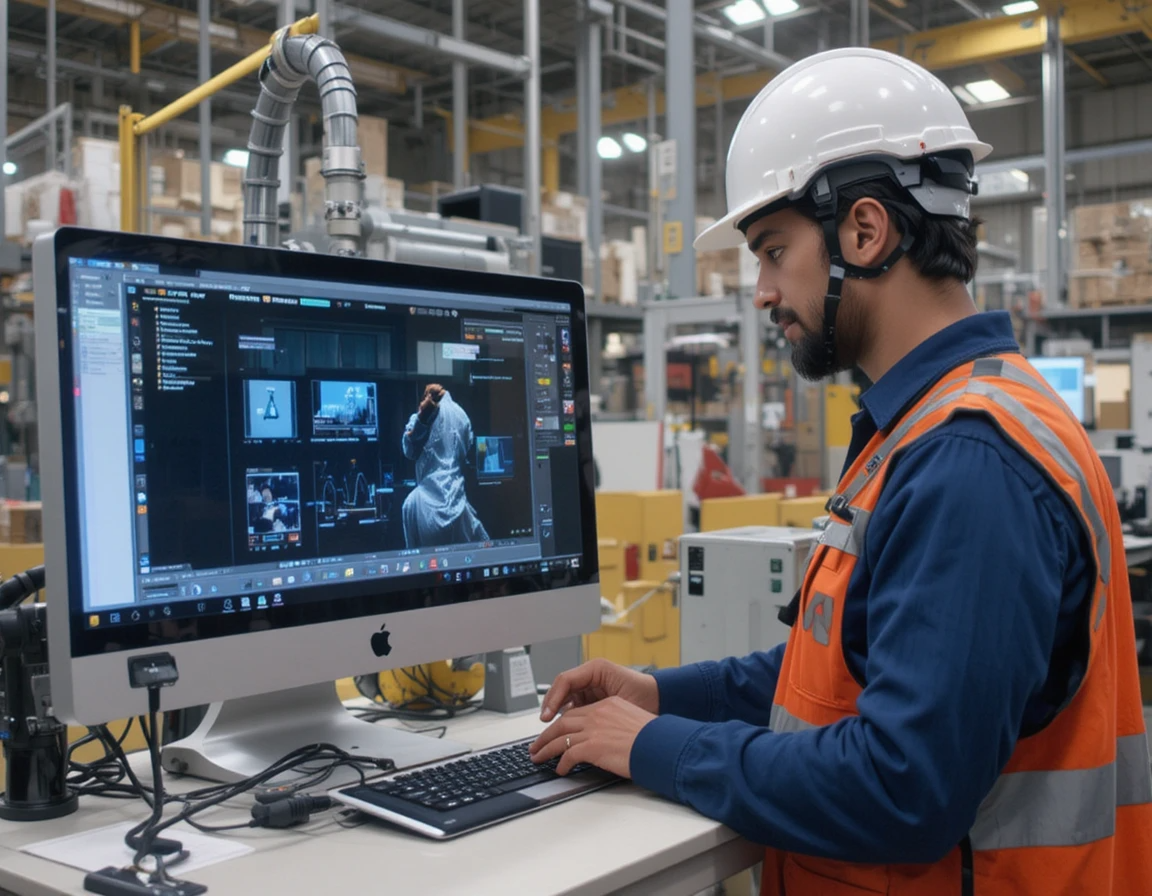
Workplace safety has become a top priority across industries, especially in sectors where hazards are unavoidable. Modern enterprises are now adopting advanced AI technologies to maintain compliance and protect employees during high-risk operations. Among these innovations, the PPE detection system has emerged as a vital tool in identifying whether workers are wearing essential safety equipment such as helmets, gloves, vests, masks, and boots. Positioned at the intersection of computer vision and occupational safety, this system ensures real-time compliance, reduces accidents, and supports organizations in building safer work environments. By transforming manual monitoring into automated oversight, PPE detection systems are steadily becoming a standard across manufacturing units, construction sites, chemical plants, warehouses, and mining operations.
Understanding PPE Detection Technology
A PPE detection system uses deep learning models and computer vision to detect whether individuals on a worksite are wearing the required protective gear. Cameras installed across the premises capture live footage, and AI algorithms analyze the visuals to verify compliance. If any worker is found without proper PPE, the system triggers alerts for supervisors or safety managers.
These alerts may be sent through control room dashboards, mobile apps, or automated voice announcements. The goal is not just detection but proactive accident prevention. By ensuring continuous monitoring, the system eliminates the possibility of human oversight and ensures that safety standards are consistently maintained.
Key Features and Capabilities of PPE Detection Systems
Real-Time Monitoring
One of the strongest benefits of PPE detection systems is their ability to provide real-time feedback. Supervisors can immediately identify violations and intervene before any risky situation arises. This instant detection prevents minor issues from escalating into major incidents.
High Accuracy with Deep Learning Models
AI-powered detection systems are trained on thousands of images, enabling accurate recognition of PPE items even in challenging conditions such as low light, crowded spaces, or fast-moving environments. This level of accuracy surpasses manual monitoring and ensures consistent enforcement of safety regulations.
Automatic Reporting and Compliance Records
Many organizations struggle with maintaining updated safety logs. PPE detection systems automatically store violation reports, timestamps, and photographic evidence. This data becomes useful during audits, insurance assessments, and compliance checks, making safety documentation more efficient.
Integration with Existing Infrastructure
These systems can easily integrate with CCTV cameras, access control systems, and safety alarms. This reduces additional setup costs and allows companies to upgrade traditional surveillance into intelligent monitoring without major disruptions.
Why Industries Need PPE Detection Systems Today
Increasing Workplace Risks
Industries such as construction, oil and gas, and manufacturing involve hazardous tasks. Manual supervision is often insufficient to track every corner of a large site. PPE detection systems ensure there are no blind spots in safety monitoring.
Ensuring Compliance with Regulations
Most countries have strict workplace safety rules, and non-compliance can lead to penalties, operational shutdowns, or legal consequences. Automated PPE monitoring helps organizations meet safety standards effortlessly.
Enhancing Employee Safety Culture
When employees know they are being monitored for safety, they tend to follow protocols more responsibly. This promotes a strong safety culture, reducing injuries and increasing productivity.
Cost Reduction Through Preventive Measures
Accidents can result in medical expenses, compensation claims, insurance liabilities, and equipment damage. By preventing incidents early, PPE detection systems help organizations save money in the long run.
Future Possibilities of PPE Detection Systems
As AI continues to evolve, PPE detection systems will grow more sophisticated. Future enhancements may include:
- Predictive analytics to identify high-risk zones
- Worker fatigue monitoring through facial recognition and posture analysis
- Integration with wearable devices to track location and vital signs
- Drone-based PPE monitoring for large-scale industrial zones
These advancements will make safety management more proactive, intelligent, and comprehensive.
The Role of AI in Building the Future of Workplace Safety
AI-driven solutions like PPE detection are not merely tools but foundational pillars of the modern safety ecosystem. With automation, organizations can shift from reactive to preventive safety practices. This transition empowers companies to foresee risks, eliminate hazards, and maintain consistent safety standards without additional manpower.
Conclusion
The adoption of PPE detection systems marks a major step toward a safer and more efficient industrial environment. These systems provide real-time monitoring, high accuracy, and automated reporting, enabling organizations to reduce risks and ensure compliance with safety standards. As industries become more automated and technology-driven, AI-powered safety solutions will become indispensable in protecting workers and maintaining operational continuity. This growing emphasis on intelligent detection aligns with the larger movement of 5 AI-Driven Solutions Transforming Public Safety Through Technologies, highlighting how innovative tools are reshaping safety practices and contributing to a more secure future for workplaces and public environments alike.





















Leave a Reply