

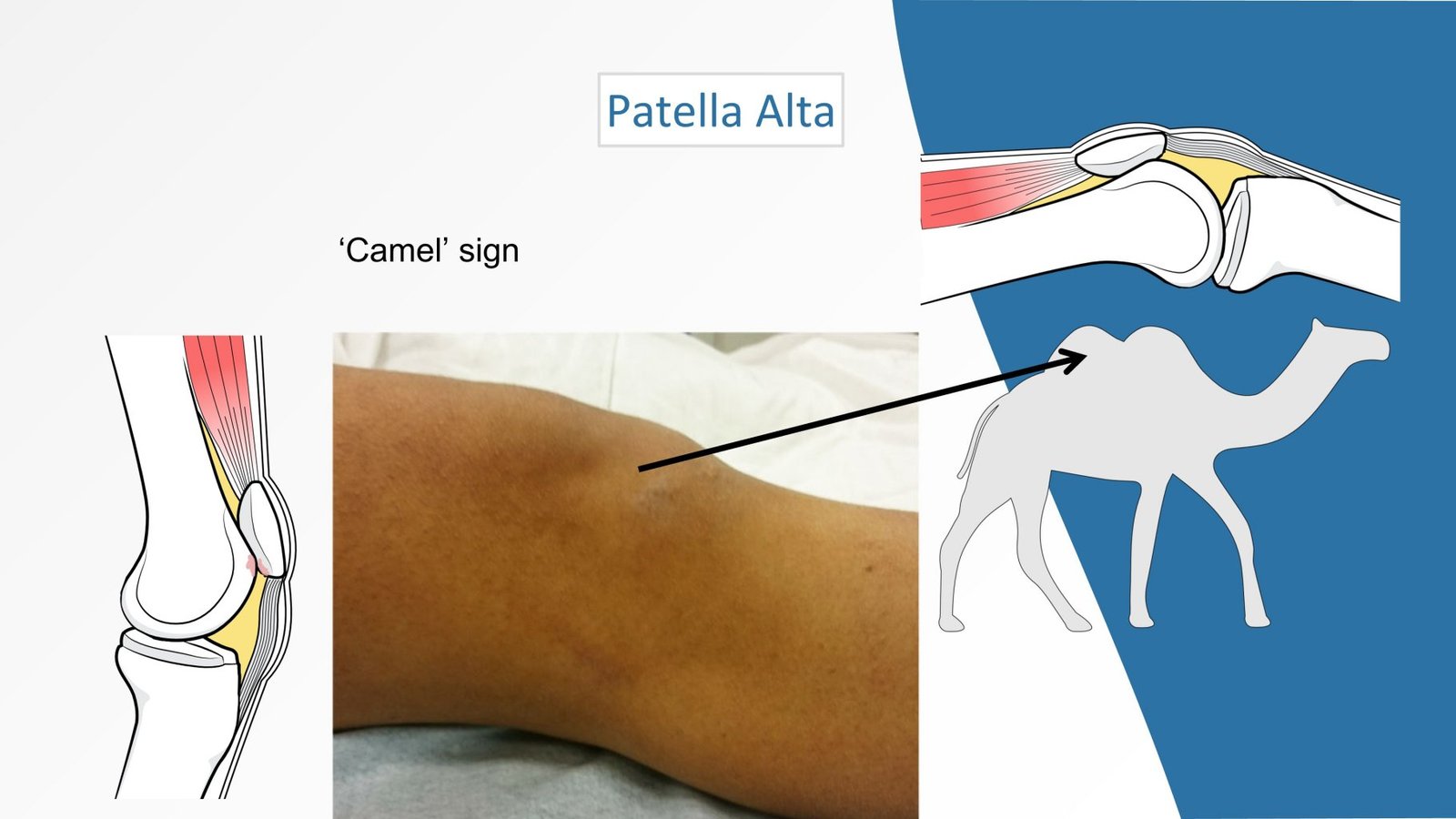
Patella alta is a birth defect in which the patella is higher in front of the knee than usual. They often excel in high jump, triple jump, and basketball. Patella alta is prone to dislocation during sports due to the kneecap’s mobility. Recurrent dislocation, where the patella dislocates several times, can cause a sportsperson to quit.
Understanding Patella Alta
Patella alta, or “high-riding patella,” is a patella that is higher than the femur. The abnormal patella position can cause severe patellofemoral dysfunction and pain. Anterior knee pain can be debilitating and interfere with daily life in this condition. Patella alta often causes patellar instability, increasing the risk of acute dislocation. A shallow trochlear groove or long patellar tendon can worsen instability. Anatomical anomalies can cause recurrent patellar instability, causing knee dislocations and other issues.
Patella alta affects more than just pain. It can reduce a person’s quality of life, preventing them from doing sports or daily tasks. Effective treatment, symptom relief, and knee function depend on early diagnosis and management.
Knee Anatomy
Complex knee joint structure includes:
- Bones
- Ligaments
- Tendons and cartilage
These parts aid movement. The flat, upside-down triangular patella, or kneecap, is very important for knee function.Smooth knee flexion and extension depend on the patellofemoral joint, formed by the patella and femoral condyles. Kicking and jumping require knee extension and the patellar tendon, which connects the patella to the tibia. This process relies on the patellar tendon. The quadriceps femoris muscle group, including the rectus femoris, vastus lateralis, intermedius, and medialis, stabilizes the patella and facilitates movement, playing a crucial role in knee function. Articular cartilage covers the bones in the patellofemoral joint, reducing friction. The important trochlear groove stabilizes the patella during motion. These components explain how patella alta affects knee mechanics and causes instability and pain.
Possible Patella Alta Causes
Patella alta has genetic and acquired causes. These factors may cause this condition:
- Hereditary: A person can be born with a high-riding kneecap. These individuals have longer patellar tendons, which anchor the kneecap to the shinbone, making it sit higher than usual.
- In children and adolescents, growth plate damage can result in an elevated kneecap. This occurs when the patellar tendon becomes longer relative to the femur. It is associated with growth plate diseases such as Osgood-Schlatter and Sinding-Larsen-Johansson.
- Trauma or Injury: Any knee injury that causes inflammation or damage can lead to an elevated kneecap. Sports injuries, accidents, and falls are common causes.
- Surgical Complications: Knee surgeries can sometimes result in a high-riding kneecap. For instance, the patellar tendon may elongate during procedures like anterior cruciate ligament (ACL) reconstruction, raising the kneecap’s position.
- Chronic Conditions: Conditions like patellar tendonitis or jumper’s knee can gradually lengthen the tendon, contributing to a high-riding kneecap over time.
- Prolonged Immobilization: Medical procedures such as casting or bracing the knee for extended periods may cause the patellar tendon to elongate, leading to an elevated kneecap.
Treatment of Patella Alta
Treatment depends on the symptoms and the extent of kneecap displacement. The following options are commonly used:
Physical Therapy: Often the first line of treatment for mild cases. Therapy exercises focus on strengthening the quadriceps, which help stabilize the kneecap while improving knee flexibility and strength.
Taping and Bracing: The Dallas pain clinic may recommend using knee or patellar braces. These devices help reposition the kneecap, reducing pain and improving stability. Kinesiology taping can also provide additional support.
Medication: Non-steroidal anti-inflammatory drugs (NSAIDs) can alleviate pain and swelling associated with this condition.
Surgery and Weight Management:
- Surgery may be necessary for severe cases, especially if conservative treatments are ineffective. Procedures such as patellar tendon shortening or tibial tubercle osteotomy lower the kneecap by adjusting the tendon’s length or repositioning its attachment point.
- Weight management can also play a role, as reducing excess weight alleviates knee pressure and improves symptoms in overweight patients.
Lifestyle Changes:
Avoiding activities that strain the knee or focusing on strengthening knee muscles can help manage symptoms and prevent progression. Treatment plans should be tailored to the severity of the condition, the patient’s overall health, and their lifestyle.
Regular follow-ups with a Dallas pain management are essential to monitor progress and adjust the treatment plan as needed.
Methods of Diagnosis
Effective patella alta treatment requires accurate diagnosis. Lateral radiographs and sagittal MRI show the patella’s position. To get accurate radiographs, flex the knee 30 degrees. Diagnostic measurements like the Insall-Salvati ratio measure patellar height ratios. Patella alta occurs when the patellar tendon exceeds 52–56 mm. These measurements help clinicians assess severity and choose treatment. Accurate diagnosis is very important for treating and diagnosing patella alta. Accurate diagnosis helps patients receive the best conservative or surgical treatments to relieve symptoms and improve knee function.
Conclusion
Untreated patella alta can cause more serious knee problems. If you think you or someone you know has this condition, see a doctor. Early patella alta diagnosis and treatment improve outcomes, as with many health conditions.




















Leave a Reply