Luxury Wood-Effect Wall Cladding in the Philippines
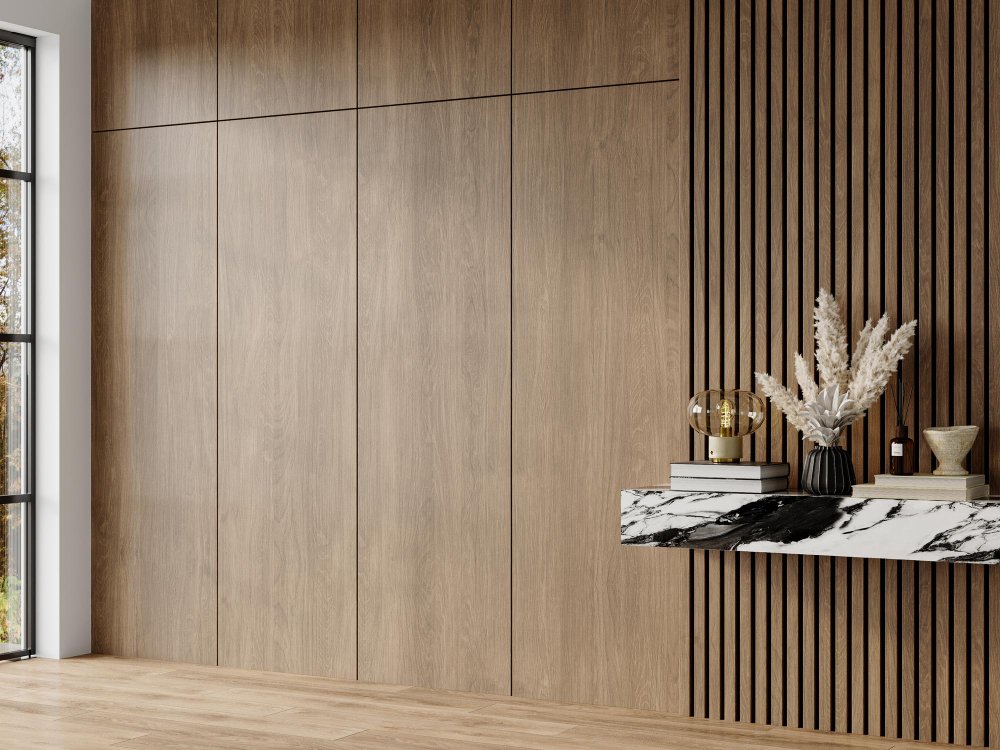
The Philippine real estate market continues to thrive, and new developments like boutique hotels and high-end condos are raising the bar for hospitality. Property developers and hospitality professionals increasingly recognize that wall finishes communicate brand identity and create lasting impressions. Achieving that warm, sophisticated aesthetic without the maintenance demands of solid wood requires modern material solutions. Wall cladding in the Philippines is a great way to add a touch of class to upscale homes and businesses, as discussed in this guide.
Why Wall Cladding Matters in Premium Spaces
Cladding systems serve as more than decorative overlays. They provide thermal insulation, sound dampening, and durable protective layers for interior and exterior walls. In condominium units, residents expect finishes that reflect their investment and personal taste. Hotel guests form opinions within seconds of entering a lobby or corridor, making wall treatments a competitive design element.
Understanding Wood-Effect Composite Materials
Modern composite cladding replicates the grain, texture, and warmth of natural wood while offering superior performance characteristics. These engineered products resist warping, splitting, and moisture-related damage that compromise solid wood installations. Composite options allow architects and designers to specify authentic wood aesthetics without the environmental or maintenance concerns tied to harvested timber.
Key Considerations for Condominium Projects
Residential developers face distinct requirements: ease of installation to maintain project timelines, low maintenance for unit owners, and design flexibility across multiple floor plans. Unit buyers expect finishes that age gracefully and require minimal upkeep. Installation speed becomes critical when coordinating multiple units across towers, demanding materials that fit standard framing without extensive customization or site modifications.
Application in Boutique Hotel Environments
Boutique hotels depend on distinctive interior narratives that differentiate them from larger chains. Wall cladding allows designers to establish cohesive aesthetic themes across lobbies, corridors, guest rooms, and public spaces. High-traffic areas need finishes capable of withstanding frequent cleaning protocols and sustained use without visible degradation or color shift.
Interior vs. Exterior Installation Differences
Interior applications prioritize aesthetic consistency and tactile quality without weather exposure demands. Exterior installations must resist UV fading, salt spray corrosion in coastal zones, and thermal cycling that causes material movement. The Philippine climate—with high humidity, frequent rain, and intense sun exposure—requires exterior cladding with proven performance records in tropical conditions.
Design and Aesthetic Flexibility
Wood-effect finishes come in multiple tones, from light ash and honey oak to rich walnut and ebony profiles. Designers can layer different finishes within single projects to create visual depth or delineate functional zones. Horizontal, vertical, or diagonal installation patterns add architectural interest without additional material costs, allowing creative expression within practical budgets.
Installation Methods and Timeline Advantages
Modern cladding systems employ mechanized fastening, dry-stack interlocking, or adhesive-backed panels that reduce installation labor compared to traditional wall treatments. Trained crews can complete large areas quickly, minimizing construction schedule delays. This efficiency matters significantly in commercial hospitality projects where completion dates drive opening revenues.
Durability and Long-Term Performance
Quality cladding products withstand decades of use when properly installed and maintained. Resistance to fading, moisture absorption, and biological growth ensures consistent appearance over building lifespans. Material warranties often extend fifteen to twenty-five years, providing owners with confidence in their investment and reducing future replacement costs.
Maintenance Requirements and Owner Expectations
Composite wall cladding requires far less maintenance than natural wood alternatives. Periodic cleaning with mild detergent and water removes dust and environmental deposits without special sealants or refinishing treatments. This low-maintenance profile appeals to condominium management companies and hotel operations teams managing multiple properties with limited maintenance budgets.
Climate Considerations for Philippine Projects
Tropical humidity, salt air near coastal zones, and heavy seasonal rainfall create specific material demands. Cladding solutions must manage moisture without swelling, resist mold growth in high-humidity conditions, and endure direct sun exposure without significant color loss. Material testing under Philippine weather conditions provides assurance of long-term performance reliability.
Cost Analysis and Budget Planning
Cladding costs vary by material composition, finish quality, and installation complexity. Initial material and labor expenses merit comparison against long-term maintenance savings and aesthetic value. Developers and hotel operators should evaluate total cost of ownership rather than first-cost alone, factoring in reduced repainting, refinishing, or replacement cycles.
Working with Architects and Design Professionals
Successful cladding integration begins during design phases when material specifications, color selections, and installation details receive attention. Architects can specify products that meet performance standards while designers confirm aesthetic alignment with project themes. Early coordination between design teams and material suppliers prevents costly revisions during construction.
Selection Criteria for Premium Projects
Evaluate cladding products through performance testing documentation, installation compatibility with project framing systems, warranty terms, and field references from comparable Philippine projects. Request samples for color verification under actual site lighting conditions rather than relying on printed catalogs. Site visits to completed installations reveal how finishes age and perform under authentic environmental conditions.
Key Takeaway
Premium wall finishes define the guest and resident experience in high-end condominiums and boutique hotels. Wood-effect wall cladding in the Philippines provides authentic aesthetic appeal with practical performance advantages over natural wood and alternative materials. Through products suited to tropical climates, clarifying installation requirements early in design phases, and understanding maintenance expectations, projects deliver lasting value.
About The Author