

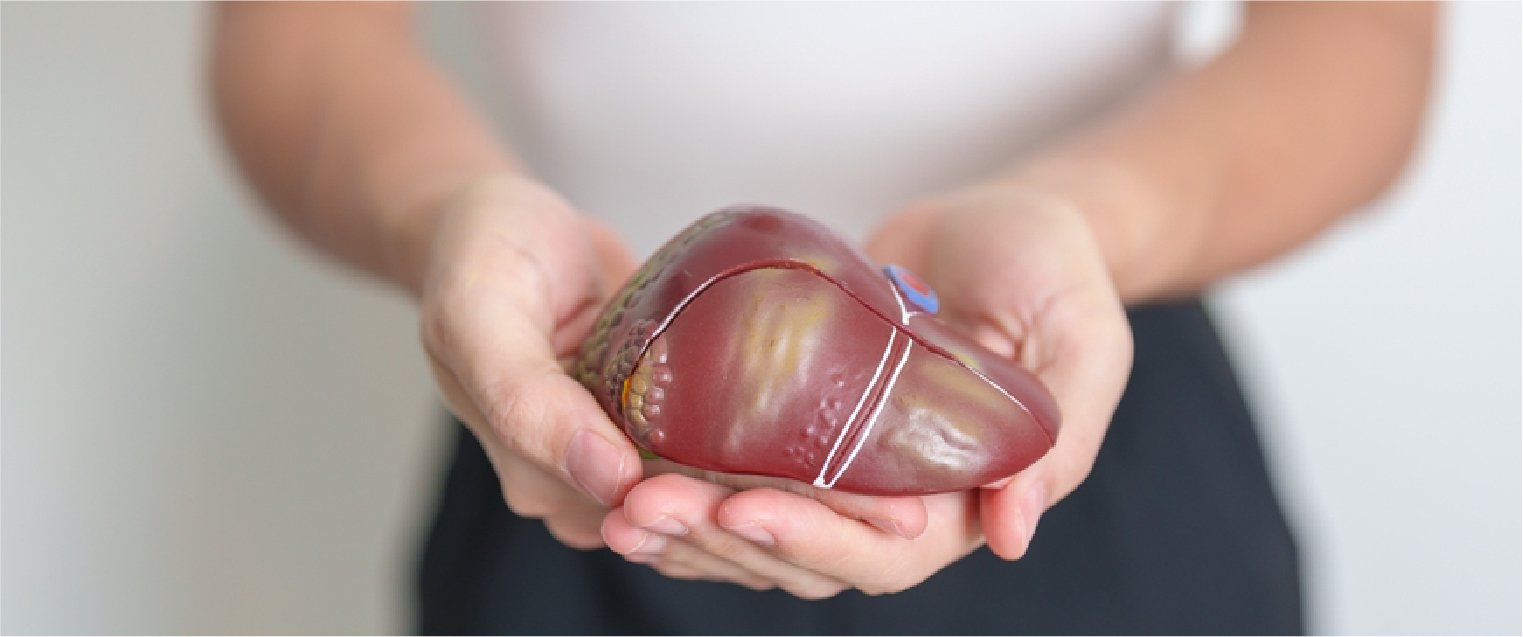
Life after a liver transplant is a phase focused on recovery, stability, and long-term health management. The weeks and months following surgery involve gradual healing, regular medical monitoring, and important lifestyle adjustments that help protect the transplanted organ. Whether patients receive treatment locally or undergo a liver transplant in Delhi structured follow-up care is essential for long-term success. This includes medication management, dietary planning, and guided physical activity.
Understanding these changes helps individuals prepare for daily routines, recognise early warning signs, and maintain consistent medical care. With proper guidance and commitment, many patients regain strength, return to normal activities, and experience an improved quality of life over time.
Early Recovery After Surgery
Immediately after a liver transplant, patients remain under close medical observation in the hospital. Doctors monitor vital signs, liver function, and general recovery indicators to ensure steady progress. During this phase, temporary fatigue, mild discomfort, and changes in appetite are common as the body adjusts.
Once discharged, patients continue regular follow-up visits with their transplant care team. These appointments help track healing, review test results, and adjust medications when needed. Following medical advice, getting adequate rest, and avoiding heavy physical activity during this period help ensure a smoother, safer recovery.
Medication Management
Proper medication management is important for long-term success after a liver transplant. Immunosuppressive drugs prevent the body from rejecting the new liver, and they must be taken exactly as prescribed. To manage medications effectively, patients should follow these guidelines:
- Take all medications as prescribed, consistently and timely
- Be aware of potential side effects, including high blood pressure, increased infection risk, or impaired kidney function
- Attend all scheduled blood tests and follow-up appointments
- Communicate openly with the healthcare team about any unusual symptoms or concerns.
Following these practices helps prevent rejection, ensures proper liver function, and supports overall health.
Nutrition and Dietary Considerations
Nutrition plays a key role in recovery and long-term liver health. Patients need to follow a balanced diet to support healing and prevent complications. Before making any dietary changes, it is important to consult a dietitian experienced in post-transplant care.
Some practical recommendations include:
- Eat balanced meals with vegetables, fruits, lean proteins, and whole grains
- Limit salt and sugar intake to prevent strain on the body
- Avoid alcohol completely to protect liver function
- Maintain proper hydration throughout the day
- Take supplements only if recommended by a healthcare professional
Following these dietary habits supports recovery, immune function, and overall well-being.
Physical Activity and Lifestyle Adjustments
Gradually reintroducing physical activity is important for recovery. Regular, moderate exercise improves circulation, strengthens muscles, and boosts energy levels. Patients should avoid strenuous activity or heavy lifting until cleared by their doctor.
Key lifestyle adjustments include:
- Start with light exercises such as walking or gentle stretching.
- Gradually increase activity levels under medical guidance.
- Manage stress through relaxation techniques and mindfulness
- Ensure proper sleep to support healing
- Maintain a healthy weight through a balanced diet and exercise
Integrating these habits into daily life promotes physical recovery and helps support long-term health.
Emotional Health and Support
Life after a liver transplant often involves emotional adjustment as patients adapt to ongoing medical care and lifestyle changes. Feelings such as anxiety or uncertainty can occur during this period. Seeking support from family members, close friends, or trained counsellors can help patients manage these emotions more effectively.
Support groups for transplant recipients also offer a helpful platform to share personal experiences and learn coping strategies from others who have undergone similar treatment. Having a reliable support system encourages emotional stability and helps patients stay consistent with their recovery and care plans.
Preventing Complications
Preventing complications is a key part of post-transplant care. Staying attentive to health changes and following medical advice consistently helps reduce the risk of infection or organ rejection.
Patients are advised to:
- Take all prescribed medications on time and in the correct dosage
- Attend scheduled follow-up visits for regular monitoring
- Inform the healthcare team about any unusual symptoms or changes
- Maintain proper hygiene and avoid environments with higher infection risk
- Follow recommended dietary and lifestyle guidelines
Adopting these practices supports long-term liver function and promotes a safer, more stable recovery.
Long-Term Health and Lifestyle Changes
Maintaining good health after a liver transplant depends on consistent, everyday habits. Long-term well-being is supported by making these practices part of daily life rather than short-term adjustments.
Recommended actions include:
- Following a balanced diet and maintaining a healthy weight
- Participating in regular, moderate physical activity
- Avoiding alcohol, tobacco, and other harmful substances
- Managing stress and ensuring adequate sleep
- Attending routine check-ups, screenings, and vaccinations
Staying committed to these habits helps protect liver function, supports overall health, and allows patients to maintain an active and fulfilling lifestyle after transplantation.
Conclusion
Life after a liver transplant involves gradual recovery, regular medical follow-ups, and long-term lifestyle adjustments. Patients who follow medication schedules, maintain a balanced diet, stay physically active within medical guidance, and seek emotional support are better prepared to maintain stable health. Understanding the recovery process helps individuals adapt confidently to daily routines and ongoing care needs. For those who have undergone a liver transplant in Delhi, access to structured follow-up services further supports long-term well-being, enabling many to return to active and fulfilling lives.





















Leave a Reply