

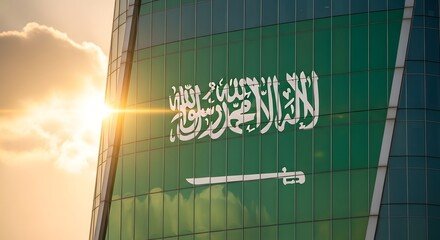
Saudi Arabia’s economic transformation is no longer a forward-looking ambition—it is an active reality reshaping industries across the Kingdom. While oil has historically anchored national growth, the non-oil economy has rapidly emerged as a powerful and sustainable engine of expansion. This transition is particularly evident in the real estate sector, where demand patterns, asset classes, and investment strategies are being redefined.
The Kingdom’s strategic diversification efforts have accelerated urban development, stimulated private sector participation, and unlocked new real estate opportunities. Today, real estate market growth in KSA is increasingly tied to sectors such as tourism, logistics, technology, entertainment, and financial services, rather than oil revenues alone.
Vision-Driven Transformation and Its Real Estate Impact
At the center of this economic shift is Vision 2030, a comprehensive roadmap designed to reduce oil dependency and build a diversified, globally competitive economy. This transformation has introduced regulatory reforms, encouraged foreign investment, and prioritized infrastructure development.
These changes have directly influenced the real estate landscape. Large-scale projects, economic zones, and giga-developments are no longer solely supported by oil revenues but are driven by sectoral expansion in non-oil industries. As a result, real estate demand is becoming more diversified, resilient, and aligned with long-term economic sustainability.
Residential, commercial, hospitality, and mixed-use developments are being planned with a focus on lifestyle, business ecosystems, and global competitiveness. This marks a clear departure from traditional oil-linked real estate cycles.
Tourism and Hospitality: A New Demand Engine
Tourism has emerged as one of the most influential drivers of real estate growth in KSA. The Kingdom’s efforts to position itself as a global tourism hub have led to a surge in hospitality developments, including hotels, resorts, and serviced apartments.
Mega tourism destinations, cultural attractions, and entertainment hubs are creating demand for a wide range of real estate assets. This includes luxury accommodations, retail spaces, and supporting infrastructure such as transportation and logistics facilities.
The influx of international visitors and the rise of domestic tourism are reshaping urban planning strategies. Cities are evolving into integrated destinations where hospitality, retail, and residential components coexist seamlessly. This transformation is fueling sustained demand for high-quality real estate developments.
Rise of Commercial Real Estate in a Diversified Economy
As the non-oil economy expands, so does the demand for modern commercial real estate. The growth of sectors such as finance, technology, healthcare, and professional services is driving the need for office spaces that meet international standards.
Business districts are being redesigned to accommodate multinational corporations, startups, and innovation hubs. Flexible office solutions, co-working spaces, and smart buildings are gaining traction, reflecting the evolving needs of a dynamic workforce.
In addition, regulatory reforms that encourage foreign ownership and investment have made KSA an attractive destination for global businesses. This influx of corporate activity is directly contributing to the expansion of commercial real estate across key urban centers.
Industrial and Logistics Real Estate: Supporting Trade and Connectivity
Another critical component of the non-oil economy is the rapid development of logistics and industrial sectors. KSA’s strategic location as a global trade hub has driven investments in ports, transportation networks, and industrial zones.
E-commerce growth, supply chain optimization, and manufacturing expansion are increasing the demand for warehouses, distribution centers, and industrial facilities. These assets are becoming essential to supporting both domestic consumption and international trade.
Industrial real estate is no longer viewed as a secondary asset class; it is now a core component of the Kingdom’s economic infrastructure. Developers and investors are increasingly focusing on this segment, recognizing its long-term growth potential.
Residential Real Estate: Changing Demographics and Lifestyle Preferences
The non-oil economy is also influencing residential real estate demand. A growing population, rising employment opportunities, and increased urbanization are shaping new housing requirements.
Young professionals, expatriates, and middle-income families are seeking modern, affordable, and well-connected housing options. This has led to the development of integrated communities that offer amenities such as schools, healthcare facilities, and recreational spaces.
Government initiatives aimed at increasing homeownership are further supporting the residential sector. Financing programs, regulatory support, and public-private partnerships are making housing more accessible, thereby driving sustained demand.
Lifestyle preferences are also evolving. There is a growing emphasis on quality of life, sustainability, and community living. This shift is influencing the design and development of residential projects across the Kingdom.
Retail Real Estate: Adapting to New Consumer Trends
Retail real estate in KSA is undergoing a transformation driven by changing consumer behavior and the growth of the non-oil economy. Traditional shopping malls are being reimagined as lifestyle destinations that combine retail, entertainment, dining, and cultural experiences.
The rise of e-commerce has also influenced retail development strategies. Developers are focusing on experiential retail concepts that cannot be replicated online. This includes entertainment zones, themed attractions, and interactive spaces.
In addition, the growth of tourism and entertainment sectors is boosting demand for retail spaces in key destinations. Retail is no longer just about transactions; it is about creating engaging experiences that attract both residents and visitors.
Technology and Smart Cities: Shaping Future Real Estate
Technology is playing a pivotal role in the evolution of KSA’s real estate market. Smart city initiatives, digital infrastructure, and data-driven planning are transforming how real estate is developed and managed.
Developers are integrating advanced technologies such as IoT, AI, and smart systems into their projects. This enhances efficiency, sustainability, and user experience. Smart buildings and connected communities are becoming the new standard in urban development.
These advancements are particularly important in the context of the non-oil economy, where innovation and competitiveness are key drivers of growth. Real estate is no longer just about physical spaces; it is about creating intelligent environments that support economic activity.
Investment Landscape: Increasing Attractiveness for Global Investors
The shift toward a non-oil economy has significantly improved KSA’s investment appeal. Real estate is now seen as a stable and lucrative asset class, supported by strong economic fundamentals and government backing.
Foreign investors are increasingly entering the market, attracted by opportunities in residential, commercial, hospitality, and industrial segments. Regulatory reforms, transparency, and ease of doing business have further enhanced investor confidence.
Institutional investors, sovereign wealth funds, and private equity firms are actively exploring opportunities in the Kingdom. The diversification of the economy reduces risk and provides a more predictable investment environment.
For businesses and investors seeking reliable data and strategic insights, engaging with the top market research companies in saudi arabia can provide valuable guidance in navigating this evolving landscape.
Urban Development and Mega Projects: Redefining the Market
Mega projects and large-scale urban developments are a defining feature of KSA’s real estate transformation. These projects are not solely reliant on oil revenues; they are designed to support diverse economic activities and attract global talent.
Mixed-use developments that combine residential, commercial, hospitality, and entertainment components are becoming increasingly common. These projects are creating new economic ecosystems that drive demand for various real estate asset classes.
Urban planning is also becoming more integrated and sustainable. There is a strong focus on green spaces, public transportation, and energy-efficient infrastructure. This holistic approach enhances the overall quality of life and supports long-term economic growth.
Workforce Expansion and Talent Attraction
The growth of the non-oil economy is creating new employment opportunities across multiple sectors. This is attracting both local and international talent, which in turn drives demand for housing, office spaces, and social infrastructure.
Educational institutions, healthcare facilities, and recreational amenities are being developed to support a growing and diverse population. This comprehensive approach to urban development ensures that real estate growth is aligned with human capital development.
Talent attraction is also influencing the type of real estate being developed. High-quality residential communities, modern office spaces, and vibrant urban environments are essential to retaining skilled professionals.
Role of Data and Strategic Advisory in Real Estate Growth
As the market becomes more complex and competitive, data-driven decision-making is becoming increasingly important. Developers, investors, and policymakers rely on market intelligence to identify opportunities and mitigate risks.
Strategic advisory services play a crucial role in shaping real estate strategies. Firms such as Insights KSA consultancy firm provide valuable expertise in market analysis, feasibility studies, and investment planning.
Accurate data and insights enable stakeholders to make informed decisions, optimize resource allocation, and align projects with market demand. This is particularly important in a rapidly evolving non-oil economy where trends can shift quickly.
Sustainability and Environmental Considerations
Sustainability is becoming a key focus in KSA’s real estate sector. The non-oil economy emphasizes long-term growth, which requires environmentally responsible development practices.
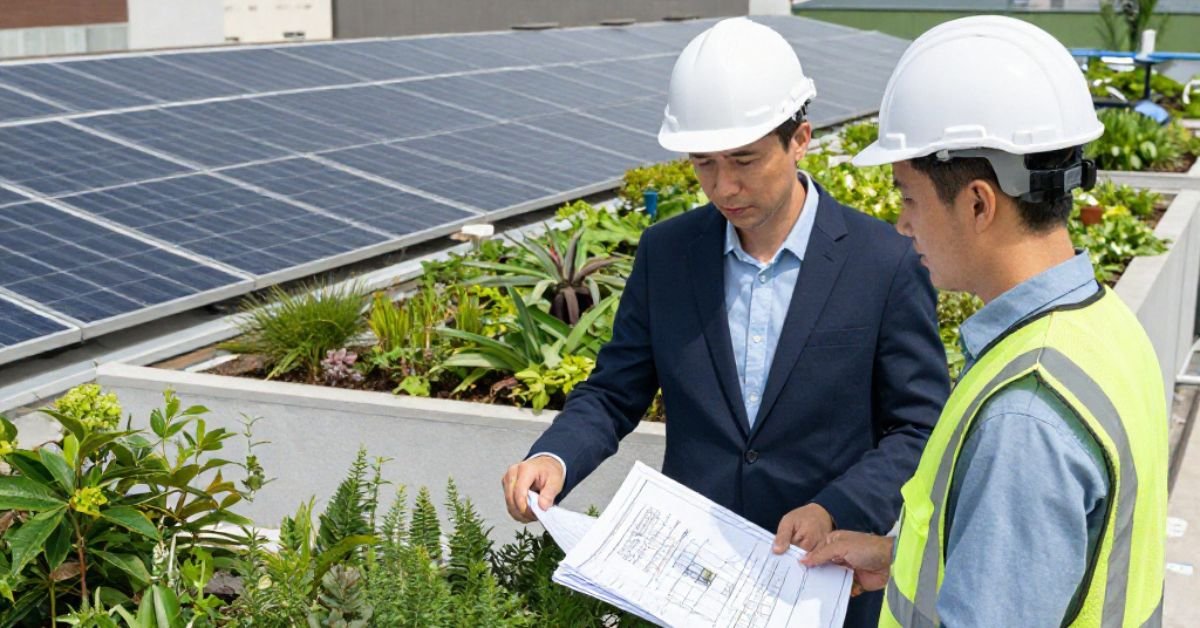
Green building standards, energy-efficient designs, and sustainable materials are being incorporated into new projects. Developers are also exploring renewable energy solutions and water conservation strategies.
Sustainable real estate not only supports environmental goals but also enhances asset value and attractiveness to investors. It aligns with global trends and positions KSA as a forward-thinking market.
Financial Sector Growth and Real Estate Financing
The expansion of the financial sector is another important driver of real estate growth. Banks, investment firms, and financial institutions are playing a key role in funding real estate projects.
Innovative financing solutions, including real estate investment trusts (REITs) and mortgage programs, are making it easier for investors and homebuyers to participate in the market. This increased access to capital is fueling development across various segments.
The integration of financial services with real estate development is creating a more dynamic and inclusive market. It supports both large-scale projects and individual homeownership, contributing to overall economic growth.
Entertainment and Cultural Development
Entertainment and cultural sectors are rapidly growing as part of the non-oil economy. This growth is driving demand for specialized real estate, including theaters, event venues, and cultural centers.
Large-scale entertainment projects and festivals are attracting both domestic and international audiences. These activities require supporting infrastructure such as hotels, retail spaces, and transportation networks.
The integration of entertainment into urban development enhances the vibrancy of cities and creates new revenue streams. It also contributes to the diversification of the real estate market.











Leave a Reply