

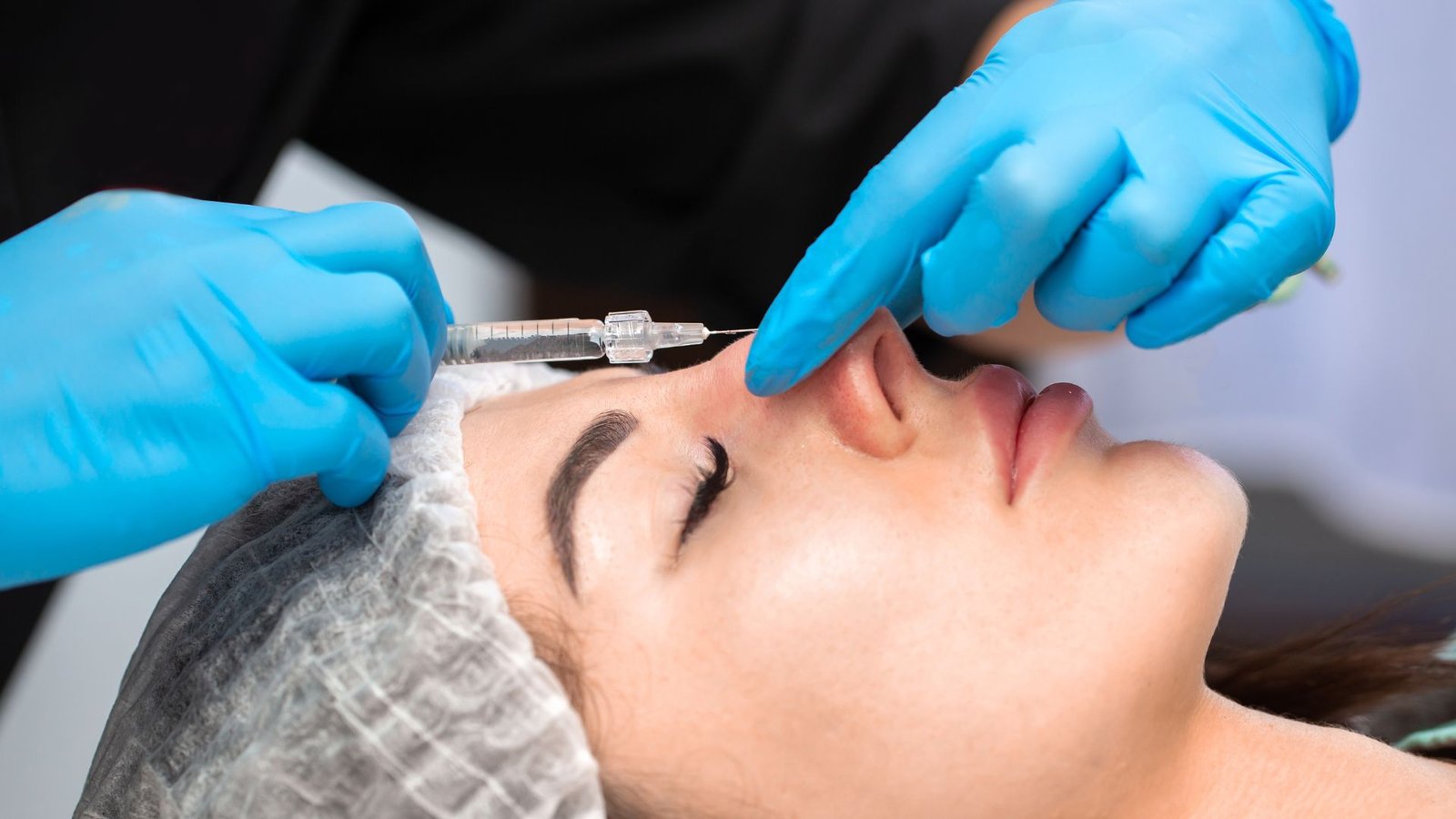
In the evolving world of aesthetic enhancements, individuals often seek ways to refine their features without the commitment of invasive procedures. One of the most discussed alternatives today is the non-surgical approach to nasal contouring. While traditional methods rely on structural changes to bone and cartilage, this modern technique utilizes specialized gels to mask imperfections and create a more harmonious facial profile. When considering such a change, many people find themselves researching Liquid Rhinoplasty Cost in Abu Dhabi to determine if this route aligns with their long-term aesthetic goals and lifestyle.
- Understanding the Approach: Modern non-surgical methods focus on adding volume rather than removing tissue.
- Aesthetic Harmony: The primary goal is to create balance and symmetry within the existing facial structure.
- Research and Planning: Individuals often compare various methods to see which fits their specific needs.
- Abu Dhabi Context: The region offers a wide array of professional options for those exploring these advanced cosmetic solutions.
Comparison of Non-Surgical and Surgical Techniques
When exploring the differences between these two paths, it is essential to understand the fundamental mechanics of each. A surgical procedure is a permanent modification that can reduce the size of the nose, straighten the internal septum, and change the bone structure. Conversely, the “liquid” version is an additive process. It cannot make a nose smaller; instead, it uses strategic placement of dermal fillers to “fill in” dips or smooth out the appearance of a dorsal hump, making the nose appear straighter and more refined.
- Permanent vs. Temporary: Surgery offers a lifelong change, while the non-surgical option is temporary.
- Structural Changes: Only surgery can decrease the physical size or width of the nasal bridge.
- Additive Properties: Non-surgical methods work by adding volume to create an optical illusion of a straighter shape.
- Functional Benefits: Surgery can often address breathing issues, a feat that fillers cannot achieve.
The Procedure: What to Expect During the Session
The process for a non-surgical nose job is remarkably swift, often earning it the nickname “15-minute nose job.” During the session, a professional uses a fine needle or a cannula to deposit hyaluronic acid-based fillers into specific “valleys” or depressions on the nose. This might include the bridge to hide a bump or the tip to provide a slight lift. Because there is no general anesthesia required, the individual remains awake and can even provide feedback during the process to ensure the desired contour is achieved.
- Efficiency: Most sessions are completed in under half an hour, making them convenient for busy professionals.
- Precision: Small amounts of filler are used to make micro-adjustments to the nasal profile.
- Immediate Gratification: Unlike surgery, where results are hidden by swelling for months, these changes are visible almost instantly.
- No General Anesthesia: The use of topical numbing agents ensures comfort without the need for being “put under.”
Recovery and Downtime: A Major Differentiator
One of the most significant reasons individuals opt for the non-surgical route is the lack of a lengthy recovery period. Traditional surgery involves a significant commitment, including splints, bandages, and often two weeks away from social or professional duties. In contrast, the liquid alternative allows most people to return to their daily routine immediately. While some minor redness or a “full” feeling might persist for a day or two, there are no incisions to heal and no heavy dressings to manage.
- Back to Work: Most individuals can resume their job and light social activities on the same day.
- No Bandages: There are no external splints or internal packing required for this method.
- Minimal Disruption: Life continues as normal, with only minor restrictions like avoiding heavy glasses for a short period.
- Gradual Settling: Any minor initial swelling usually subsides within 48 hours, revealing the final shape.
Longevity and Maintenance of Results
Because the body naturally metabolizes the substances used in non-surgical treatments, the results are not permanent. Most fillers used in this area last between 12 and 18 months. This can be viewed as an advantage for those who are “testing” a new look before committing to a permanent change. However, it also means that to keep the appearance, one must return for periodic touch-ups. This cycle of maintenance is a key factor in how people perceive the value of the treatment over a lifetime.
- Temporary Nature: Results fade as the hyaluronic acid is absorbed by the body.
- Trial Period: It serves as a “preview” for those considering a more permanent surgical step later.
- Maintenance Cycles: Regular visits are necessary to sustain the refined aesthetic over several years.
- Reversibility: A unique benefit is that these fillers can often be dissolved if the person changes their mind.
Ideal Candidates for Liquid Refinement
Not everyone is a suitable candidate for a non-surgical nose job. This method is best for those with minor aesthetic concerns, such as a small bump on the bridge, a slightly drooping tip, or minor asymmetry. It is an excellent choice for individuals who want to enhance their profile but are not ready for the commitment or the downtime associated with a surgical theater. It is also a popular choice for “polishing” the results of a previous surgery that may have left behind tiny irregularities.
- Minor Adjustments: Perfect for smoothing small humps or “filling” a flat nasal bridge.
- Tip Enhancement: Can help “lift” the appearance of a drooping nose tip.
- Post-Surgical Polishing: Often used to refine the results of a traditional rhinoplasty.
- Realistic Expectations: Candidates must understand that the nose will technically be slightly larger due to the added volume.
Comparing the Investment Over Time
When asking if the non-surgical route is lower in cost than surgery, the answer depends on the timeline. Initially, a single session of filler is significantly more accessible than a full surgical suite, anesthesia, and surgeon fees. However, because surgery is a one-time investment with permanent results, it may actually be more economical over a 10 or 20-year period. The liquid option requires ongoing sessions every year or two, which can add up to a substantial cumulative investment over the decades.
- Initial Entry Point: The upfront financial commitment is much lower for the non-surgical version.
- Cumulative Costs: Frequent maintenance sessions over many years can eventually surpass a single surgical fee.
- Value of Time: The lack of downtime and absence of missed work days add to the overall value of the liquid option.
- One-and-Done: Surgery’s primary financial benefit is that it rarely needs to be repeated if the initial result is successful.
The Role of Professional Consultations
Regardless of the method chosen, a thorough consultation with a qualified professional is the most important step. In Abu Dhabi, centers like the Enfield Royal Clinic Abu Dhabi provide detailed assessments to help individuals decide which path aligns with their anatomy. A professional can use imaging or physical exams to determine if a bump is small enough to be masked by filler or if the underlying structure requires a more robust surgical intervention to achieve the desired look.
- Expert Assessment: A professional evaluates the skin thickness and bone structure.
- Customized Plans: Every face is unique, and the treatment must be tailored to the individual’s proportions.
- Anatomic Constraints: A consultant will honestly tell you if filler will achieve your goals or if it will make the nose look too bulky.
- Education: Consultations serve to inform the individual about the specific products and techniques being used.
Frequently Asked Questions
1. Is the liquid procedure painful?
Most patients describe the sensation as a series of small pinches. To ensure a comfortable experience, a topical numbing cream is typically applied to the area beforehand. Many modern fillers also contain a built-in local anesthetic that further numbs the tissue as the gel is being placed.
2. Can I wear my glasses immediately after the treatment?
It is generally recommended to avoid heavy glasses or sunglasses for at least one to two weeks following the procedure. Because the filler is still malleable in the first few days, the pressure from the nose pads could potentially create a small indentation or cause the filler to shift.
3. Will my nose look much bigger after the injections?
Since this is an additive procedure, there is a slight increase in volume. However, because the filler is used to create a straighter profile and better light reflection, the nose often appears more streamlined and “smaller” to the eye, even though its physical mass has slightly increased.
4. What happens if I don’t like the results?
One of the greatest benefits of using hyaluronic acid-based fillers is that the process is reversible. A specific enzyme can be injected to safely dissolve the filler within 24 to 48 hours, returning the nose to its original pre-treatment state.
























Leave a Reply