How IoT Development is Revolutionizing Smart Home Automation
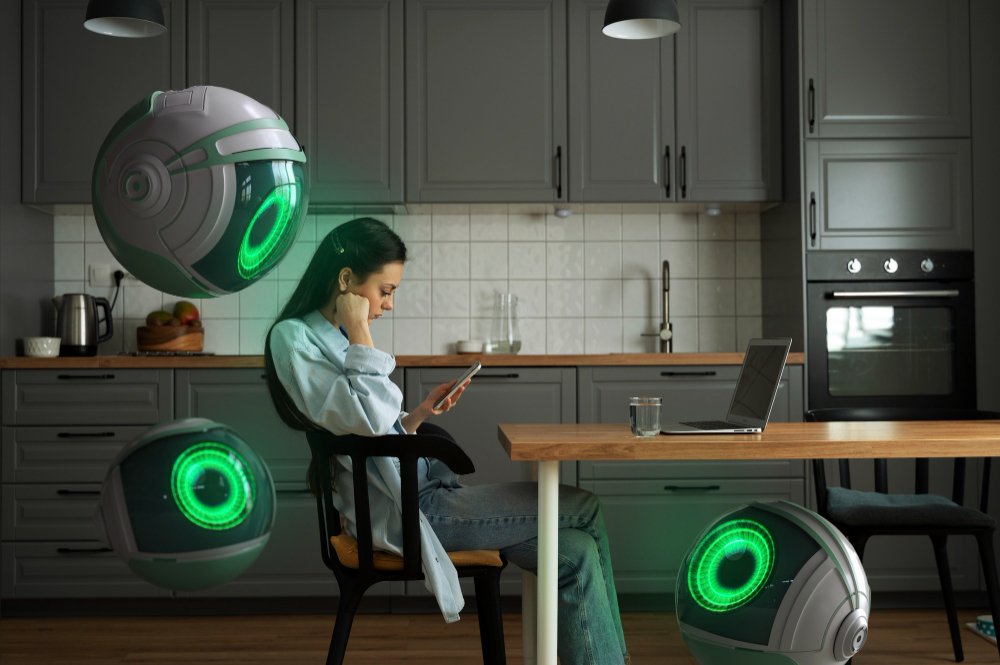
The rapid growth of the Internet of Things (IoT) has significantly transformed how we interact with our living spaces. Smart home automation, powered by IoT development, is no longer a futuristic concept—it’s a present-day reality. From controlling lighting and temperature to managing security systems remotely, IoT is making homes smarter, safer, and more energy-efficient.
In this article, we will explore how IoT development is reshaping smart home automation, its key components, benefits, and future potential.
What is IoT in Smart Home Automation?
IoT in smart homes refers to a network of interconnected devices that communicate with each other through the internet. These devices collect and exchange data to automate and optimize various home functions without constant human intervention.
Smart thermostats, connected lighting systems, voice assistants, and security cameras are common examples. These systems can be controlled via smartphones, tablets, or voice commands, offering convenience and flexibility.
Key Components of IoT-Based Smart Homes
1. Smart Devices
Smart devices are the backbone of any IoT-enabled home. These include sensors, smart bulbs, locks, cameras, and appliances that can connect to a central system.
2. Connectivity
Devices communicate through protocols such as Wi-Fi, Bluetooth, Zigbee, or LoRa. Reliable connectivity ensures seamless communication between devices.
3. Cloud Computing
Cloud platforms store and process data collected by IoT devices. This enables remote access and control of home systems from anywhere in the world.
4. Mobile Applications
User-friendly mobile apps act as control panels, allowing homeowners to monitor and manage devices efficiently.
5. Security Systems
Data security is critical in IoT systems. Encryption, authentication, and secure APIs help protect sensitive user data.
Benefits of IoT in Smart Home Automation
Enhanced Convenience
IoT-enabled homes allow users to control multiple devices from a single interface. For example, you can turn off all lights or lock doors with just one tap or voice command.
Energy Efficiency
Smart thermostats and lighting systems adjust automatically based on usage patterns, reducing unnecessary energy consumption and lowering utility bills.
Improved Security
IoT-powered security systems provide real-time monitoring, motion detection, and instant alerts, ensuring better protection for homes.
Remote Access
Homeowners can monitor and control their homes remotely. Whether you are at work or on vacation, you stay connected to your home environment.
Customization
Users can create personalized settings such as “morning routines” or “night modes,” automating daily tasks effortlessly.
Role of IoT Development in Smart Homes
The success of smart home automation heavily depends on robust IoT development. A professional IoT development company ensures that devices are seamlessly integrated, scalable, and secure.
Developers focus on building efficient communication protocols, optimizing device performance, and ensuring compatibility across multiple platforms. They also work on reducing latency and improving real-time responsiveness, which is crucial for automation systems.
Challenges in IoT Smart Home Development
Data Privacy Concerns
As devices collect large amounts of personal data, ensuring privacy and compliance with regulations becomes essential.
Interoperability Issues
Different devices often use different communication standards, making integration a challenge.
Network Reliability
A stable internet connection is crucial. Any disruption can affect the performance of the entire system.
Security Risks
IoT devices are vulnerable to cyberattacks if not properly secured, making robust security measures a necessity.
Importance of Embedded Systems
Behind every smart device lies a powerful embedded system that controls its functionality. High-quality embedded software development services play a vital role in ensuring that devices operate efficiently and reliably.
Embedded systems manage sensor data, execute commands, and enable real-time decision-making. Without well-designed embedded software, IoT devices would fail to deliver the seamless experience users expect.
Future Trends in Smart Home IoT
The future of smart home IoT is evolving rapidly, driven by advancements in technology and increasing demand for convenience, efficiency, and security. Here’s a deeper look at the key trends shaping the next generation of smart homes:
1. AI-Powered Smart Homes
Artificial Intelligence is set to make smart homes more intelligent and autonomous. Instead of simply responding to commands, devices will learn user behavior over time. For example, your system may automatically adjust lighting, temperature, and even music based on your daily routine. AI will also enable predictive maintenance—detecting issues in appliances before they fail, saving both time and money.
2. Advanced Voice Assistants
Voice control will move beyond basic commands like turning lights on or off. Future systems will understand context, emotions, and multi-step instructions. For instance, saying “I’m going to bed” could trigger a complete routine—locking doors, dimming lights, adjusting the thermostat, and activating security systems. These assistants will also support multiple languages and more natural conversations.
3. Edge Computing for Faster Performance
Currently, many IoT devices rely on cloud computing, which can cause delays. With edge computing, data processing happens closer to the device itself. This reduces latency and ensures faster response times. For smart homes, this means instant actions—like security cameras detecting motion and triggering alarms without delay—even if the internet connection is slow.
Conclusion
IoT development is revolutionizing smart home automation by making homes more intelligent, efficient, and secure. With continuous advancements in technology, the future of smart homes looks incredibly promising.
Businesses and developers who invest in IoT and embedded technologies today are shaping the homes of tomorrow. As innovation continues, smart homes will become more accessible, reliable, and seamlessly integrated into our daily lives.
By leveraging the right technologies and expertise, homeowners can experience unmatched convenience and control, truly redefining modern living.
About The Author