

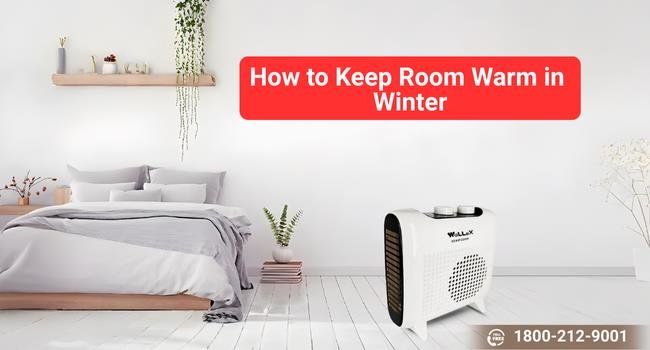
Winter brings a refreshing change in weather, crisp mornings, and cozy evenings spent indoors. However, as the temperature drops, maintaining a warm and comfortable room becomes essential not only for comfort but also for health and productivity. A cold room can disrupt sleep, reduce focus, and even increase the risk of common winter illnesses. The good news is that you don’t always need expensive heating systems to create a warm environment. By applying smart insulation techniques, using heating tools effectively, and adopting simple day-to-day habits, you can make your room significantly warmer.
This comprehensive guide explores practical, budget-friendly, and effective ways to How to Make a Room Warm in Winter.
1. Start with Proper Insulation
Insulation is the foundation of a warm room. Without it, warm air escapes quickly and cold air enters easily.
Seal Doors and Windows
Doors and windows are the biggest culprits of heat loss. Even tiny gaps can cause significant drafts.
- Install weatherstripping around doors.
- Use rubber or foam seals for windows.
- Place draft stoppers or rolled towels at the door bottoms.
- Repair cracked or loose window panes.
These small improvements make a huge difference in maintaining warmth.
Install Thick Curtains
Thermal or blackout curtains help trap heat by adding a layer of insulation. Open them during the day to allow sunlight to enter, and close them in the evening to retain warmth.
Add Window Insulation Film
Clear plastic insulation films are affordable and can reduce heat loss by up to 50%. Once applied, they create an airtight seal, preventing cold drafts.
Read: wall fan installation
2. Use Heating Sources Effectively
If you rely on heaters, understanding how to use them efficiently can save money and increase warmth.
Electric Heaters
Electric heaters warm a room quickly and come in various types:
- Oil-filled radiators: Slow to heat but retain warmth longer.
- Ceramic heaters: Great for quick heating in medium-sized rooms.
- Infrared heaters: Heat objects instead of air, giving a consistent warmth.
- Fan heaters: Fast heating but less energy-efficient.
Choose a heater according to your room size and usage duration.
Use Heaters Safely
Many people avoid heaters due to safety concerns, but modern devices come with safety features such as auto shut-off and tip-over protection.
- Keep heaters away from curtains and bedding.
- Don’t leave heaters running unattended.
- Use an electrical outlet directly rather than extension cords.
Smart Thermostats or Timers
If your room has a built-in heating system, use a thermostat or timer to manage temperature effectively.
- Set a comfortable temperature (18°C to 21°C).
- Reduce heating while you sleep or when the room is unoccupied.
- Schedule heating to begin before you wake up or return home.
3. Keep the Floor Warm
Cold floors can make a room feel much colder than it actually is, especially if you have tiles, vinyl, or hardwood flooring.
Use Thick Rugs
Rugs act as thermal barriers, preventing heat from escaping through the floor. Wool and shag rugs offer maximum insulation.
Carpet Padding
If you already have carpets, adding extra padding underneath improves insulation and makes the room feel warmer and more comfortable.
4. Rearrange Furniture for Warmth
Furniture placement can affect how warm your room feels.
Keep Furniture Away from Drafts
Position beds, sofas, or study tables away from windows and external walls where cold air is stronger.
Avoid Blocking Heaters
Do not place large furniture pieces like beds or couches in front of heaters or radiators, as it blocks heat circulation.
Create a Cozy Corner
Move frequently used furniture to the warmest areas of the room—often near inner walls or heat sources.
5. Make Use of Natural Sunlight
Sunlight is one of the most effective and natural heat sources.
Open Curtains in the Morning
Let the sun warm your room naturally. Even if the outside temperature is low, sunrays bring noticeable warmth.
Close Curtains After Sunset
Once the sun sets, close curtains to trap the heat inside. Thermal curtains are especially useful here.
Remove Obstructions
Trim outside bushes or trees blocking sunlight from entering your windows.
6. Layer Your Bedding and Fabrics
Your bed plays a major role in keeping you warm during winter nights.
Choose Warm Bedding Materials
- Use fleece or flannel bedsheets.
- Add woolen blankets or duvets.
- Consider a comforter with high GSM (grams per square meter) for better insulation.
Use Heated Blankets or Mattress Warmers
Heated blankets and mattress warmers are energy efficient and make your bed instantly warm.
Add Throw Blankets Around the Room
Keep throw blankets on chairs, couches, and near your desk for quick warmth whenever needed.
7. Trap Heat Inside the Room
Once your room is warm, preventing the heat from escaping is crucial.
Keep Doors Closed
A closed door helps keep warm air inside and prevents cold air from entering from hallways or other rooms.
Cover Vents and Gaps
If your room has unused vents or gaps, cover them with insulating tape or cloth.
Use Door Curtains
Some homes use thick curtains behind doors. They work well in stopping cold air drafts.
8. Reduce Indoor Humidity
Humid air feels colder than dry air. Managing humidity can make your room feel warmer without increasing temperature.
Use a Dehumidifier
Dehumidifiers remove excess moisture, making the room feel lighter, warmer, and more comfortable.
Avoid Drying Clothes Indoors
Wet clothes release moisture into the air, reducing warmth.
Ventilate for a Few Minutes Daily
Open windows during the warmest part of the day to release moisture without losing much heat.
9. Use Warm Lighting
Lighting affects how warm a room feels, both visually and physically.
Warm-Colored Bulbs
Use warm white LED bulbs to create a cozy atmosphere.
Incandescent Bulbs
They emit both light and heat, making your room slightly warmer. However, they consume more electricity, so use sparingly.
Candles for Atmosphere
Candles give off small amounts of heat and create visual warmth. Use them carefully and never leave them unattended.
10. Try DIY Heating Techniques
Some simple home hacks can warm your room without relying heavily on electrical appliances.
Hot Water Bottles
Place a hot water bottle in your bed or hold it close while sitting. It provides immediate warmth.
Use Thick Tapestries or Wall Hangings
Hang thick fabrics, quilts, or tapestries on cold walls to add insulation.
Foam Tape on Windows
Foam tape is inexpensive and seals small gaps instantly.
Bubble Wrap Window Insulation
Surprisingly, bubble wrap works well as a temporary window insulator.
11. Add Indoor Plants Wisely
Although plants do not heat a room, they help regulate humidity. Some plants, such as spider plants and peace lilies, improve air quality and keep the environment comfortable.
Place plants away from cold drafts so they remain healthy throughout the winter.
12. Insulate Walls and Ceilings (Long-Term Solution)
For those willing to invest more, wall and ceiling insulation significantly improves room warmth.
Types of Wall Insulation
- Foam boards
- Spray foam
- Fiber insulation panels
These reduce heat loss by up to 30–40%, keeping the room warm with minimal heating.
Insulate the Ceiling
Because warm air rises, uninsulated ceilings can cause major heat loss. Ceiling insulation solves this problem and maintains stable temperature.
13. Use Room Dividers for Large Rooms
If your room is large, heating the entire space can be difficult.
Create Smaller Sections
Using curtains, folding screens, or dividers creates smaller zones that warm up faster.
Focus Heating
Warm only the section you use most—a study corner, bed area, or seating zone.
14. Warm Yourself Along with the Room
Sometimes warming yourself helps you feel more comfortable even if the room temperature isn’t very high.
Wear Layers Indoors
Woolen socks, sweaters, and thermal layers help your body retain heat.
Use Slippers
Bare feet lose heat quickly, especially on cold floors.
Drink Warm Liquids
Tea, warm water, or soups naturally warm your body and help you feel cozy.
15. Keep Appliances That Generate Heat Running (Safely)
Some household appliances give off heat during operation.
- Laptops and computers generate mild heat.
- Ovens (when used safely) warm up the surrounding area.
- A long warm shower in an attached bathroom releases steam that can slightly warm the room—just be cautious of humidity.
Never leave appliances running solely for heat.
Conclusion
Warming your room in winter does not require complex systems or heavy expenses. By combining thoughtful insulation, strategic heating, simple home hacks, and daily habits, you can create a warm, cozy, and inviting environment throughout the cold season. Whether you’re sealing drafts, rearranging furniture, using warm bedding, or taking advantage of natural sunlight, each strategy contributes to a noticeable improvement in room temperature.
Keeping your room warm is ultimately about preserving the heat you generate and blocking out the cold. When executed together, these methods create a comfortable indoor space where you can relax, work, sleep, and enjoy the winter season without feeling chilly. With a little effort and the right techniques, you can transform any room into a warm winter sanctuary.



















Leave a Reply